Why it matters
It keeps euro boxes from becoming too one-note while still fitting a clean tactical system.
Fly pattern
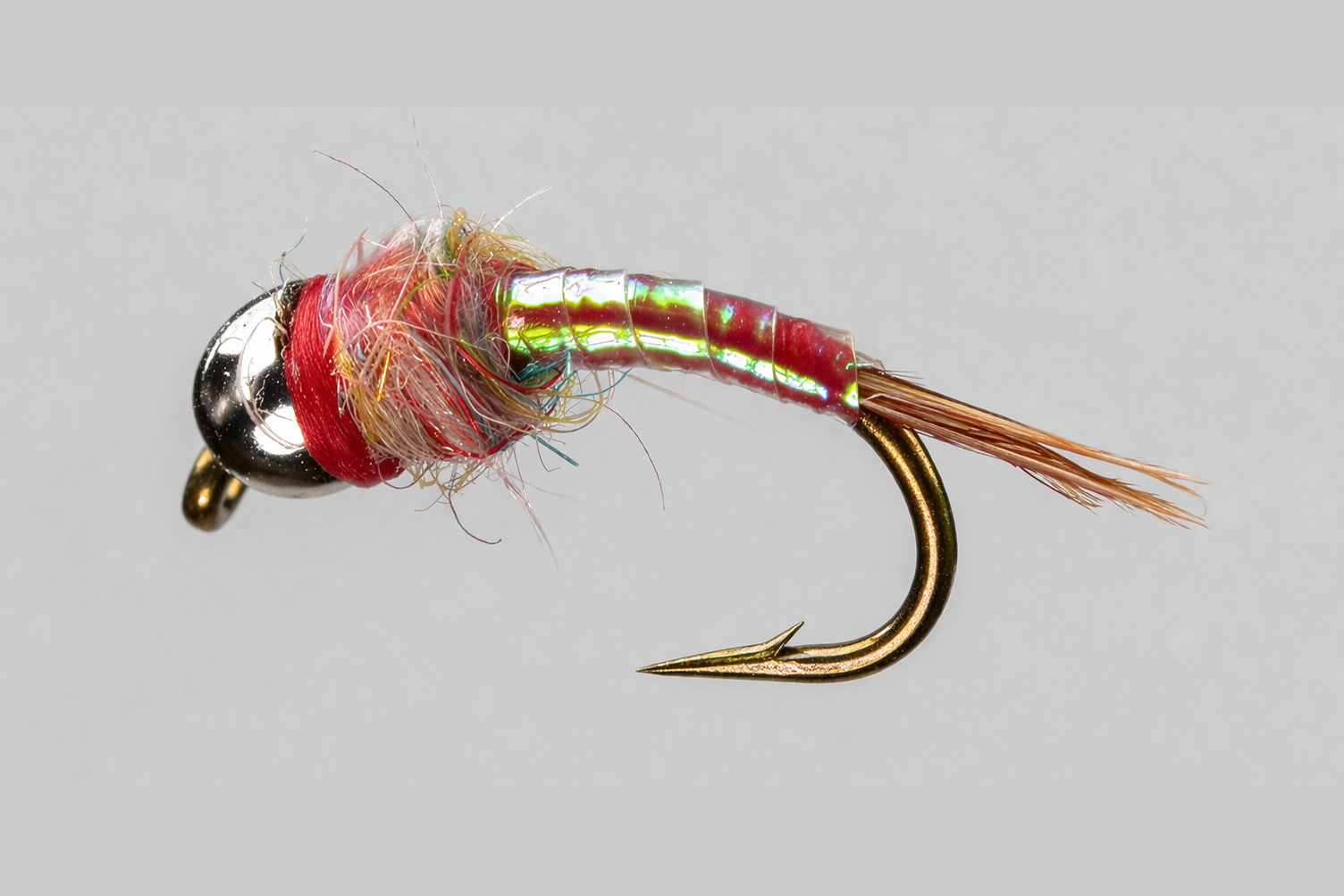
A bright attractor nymph that teaches tight material control, slim flashy bodies, and how to balance sparkle with trout-friendly proportions.
A compact attractor nymph with confidence-building visibility
This page is structured to stay useful as a real reference source: what the fly is, where it fits, what materials or steps are publicly available, why anglers keep it around, and where to go next in the Blue Wing Labs knowledge graph.
Why it matters
It keeps euro boxes from becoming too one-note while still fitting a clean tactical system.
When to use it
Use it when you want a euro fly with more visual separation from neutral patterns.
Category
This section brings over the same recipe-shape context the app uses: hook guidance, core material logic, substitutions, and tying-sequence checkpoints.
Hook
Dai-Riki 125 • #12-22 • This follows the Lance Egan Rainbow Warrior recipe tied by Orvis, using a pearl Flashabou abdomen and rainbow sow-scud thorax.
Core materials
silver tungsten bead, red UTC 70 thread, pheasant-tail tail, pearl Flashabou abdomen, tan Rainbow Sow-Scud dubbing thorax
Substitutions
Pink bead for brighter attractor versions, White thread in place of red only when a less obvious hot spot is desired
Sequence
Seat the silver tungsten bead and start red thread behind it, Tie in a short pheasant-tail tail, Wrap pearl Flashabou forward for the abdomen, Dub a compact rainbow sow-scud thorax, Finish the red hot spot tight behind the bead
This section keeps the explanation practical and source-backed, using the structured library data plus broad category context without inventing unsupported technical detail.
Overview
A bright attractor nymph that teaches tight material control, slim flashy bodies, and how to balance sparkle with trout-friendly proportions.
Context
Rainbow Warrior sits in the euro nymphs section of the Blue Wing Labs public library, where it helps anglers compare related patterns without losing track of the bigger category. An attractor-leaning euro pattern that adds brightness and contrast to the tactical row.
Context
A compact attractor nymph with confidence-building visibility. In practical terms, it supports tactical direct-contact nymphing and slim anchor-style selection while staying easy to place inside a more organized fly box.
Context
Blue Wing Labs frames this pattern around a few repeatable checkpoints: How to use flashy material without letting the fly get bulky or loose; How to build a tidy hotspot thorax that still keeps the fly compact and fishable.
The public site only states broad usage windows, but those windows still help anglers keep the fly in the right part of the mental and physical box.
Use it when you want a euro fly with more visual separation from neutral patterns.
When fish are eating small bugs but still respond well to a hint of flash and a compact hotspot.
Tailwaters, clear runs, and tandem nymph rigs where a small visible fly helps you stay confident.
At the category level, euro nymphs shine in tactical subsurface fishing, fast seams, and any workflow where order and repeatability matter.
Blue Wing Labs tags it as a year-round pattern, which makes it a useful anchor when you want fewer flies that stay relevant longer.
These points focus on the fly's role, visibility, versatility, and category logic rather than overly specific claims the public dataset does not support.
Fishing condition insight
Tailwaters, clear runs, and tandem nymph rigs where a small visible fly helps you stay confident.
Imitates
Bright emerging midges or baetis-sized attractor signals trout can see quickly in technical water.
Where it excels
Tailwaters, clear runs, and tandem nymph rigs where a small visible fly helps you stay confident.
Common mistakes
Overdressing the thorax until the fly stops sinking and loses the clean rainbow-warrior silhouette.
When the app includes a lesson video, the public page links to it directly so anglers can move from reference reading into step-by-step watching.

Blue Wing Labs lesson
Open the linked lesson to compare the public recipe, the tying sequence, and the app's guided teaching flow for Rainbow Warrior.
Watch the video lessonThese materials come from the app-backed fly record when available, which lets the public page mirror the practical tying list more closely.
Material readiness
Lay out the core euro nymphs materials before starting so the fly stays balanced and the sequence feels calmer once the vise is loaded.
Material
Dai-Riki 125 curved nymph hook
Size 12-22 from the sourced Rainbow Warrior recipe
Material
Silver tungsten bead
3/32-inch in the sourced recipe
Material
Red UTC 70 thread
Thread and hot-spot base
Material
Pearl Flashabou
Abdomen
Material
Tan Rainbow Sow-Scud dubbing
Thorax and body fill
Material
Natural pheasant tail fibers
Tail
The website now uses the app-backed step list where available so the public page follows a fuller tying sequence instead of only a short summary.
Common tying mistake
Overdressing the thorax until the fly stops sinking and loses the clean rainbow-warrior silhouette.
Step 1
Place the silver tungsten bead on the curved hook and start the red thread directly behind it.
Step 2
Carry the thread rearward smoothly so the underbody stays even and the body will remain slim.
Step 3
Tie in a sparse pheasant-tail tail and keep the base as smooth as possible.
Step 4
Wrap the pearl Flashabou abdomen forward in clean touching turns to form the bright compact body.
Step 5
Refine the body with a few thread wraps if needed so no loose flash kicks out from the sides.
Step 6
Dub a short tan Rainbow Sow-Scud thorax and keep the front of the fly compact.
Step 7
Build a tiny red hot spot collar behind the bead without crowding the bead or blurring the thorax.
Step 8
Keep the collar and thorax clearly separated so the fly still carries the Lance Egan style profile.
Step 9
Whip finish tightly behind the bead and smooth any loose flash so the front remains neat.
Step 10
Inspect the finished Rainbow Warrior so the body stays slim, flashy, and balanced rather than bulky and overdone.
The public fly library does not invent named variations where the source data is thin. Instead, it connects this pattern to nearby flies so anglers can see the surrounding shape of the category.
Comparison note
Rainbow Warrior also carries app recipe notes around pattern context, and it connects the pattern to nearby flies like Parachute Adams, Elk Hair Caddis, and Pheasant Tail Nymph. Those comparisons help anglers understand how the fly sits inside euro nymphs without inventing unsupported detail.
Variant note
This is the original Lance Egan Rainbow Warrior material family, not a peacock-and-pink generic attractor nymph The rainbow sow-scud dubbing is part of the fly's signature look and not just an optional swap
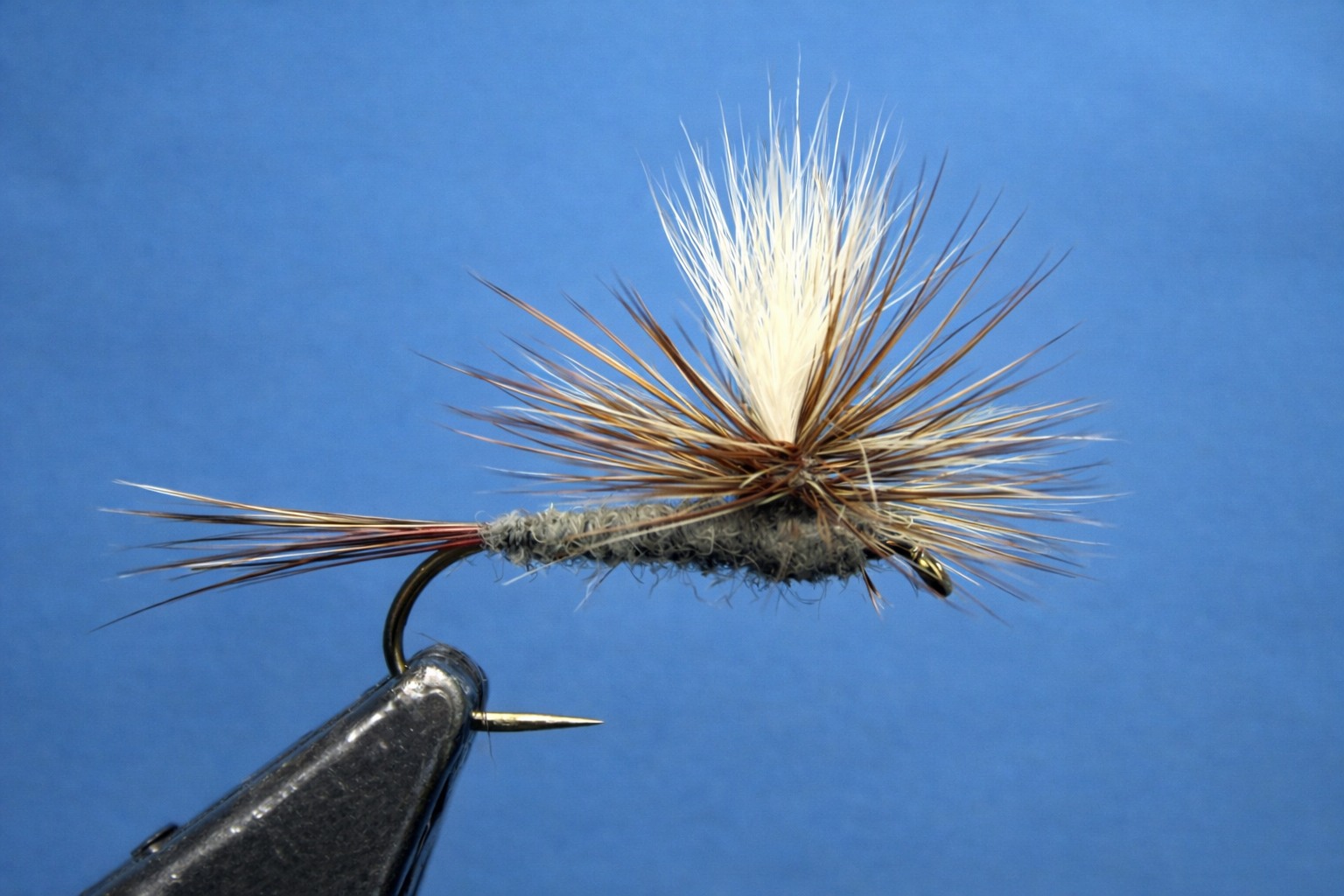
dry flies
A visible attractor dry that remains one of the easiest all-around trout patterns to keep in a box.
Why it matters
It is a benchmark confidence fly that helps anglers cover a lot of water without overthinking the surface game.
When it fits
Use it when you want a dependable dry that feels broad, visible, and easy to fish with confidence.
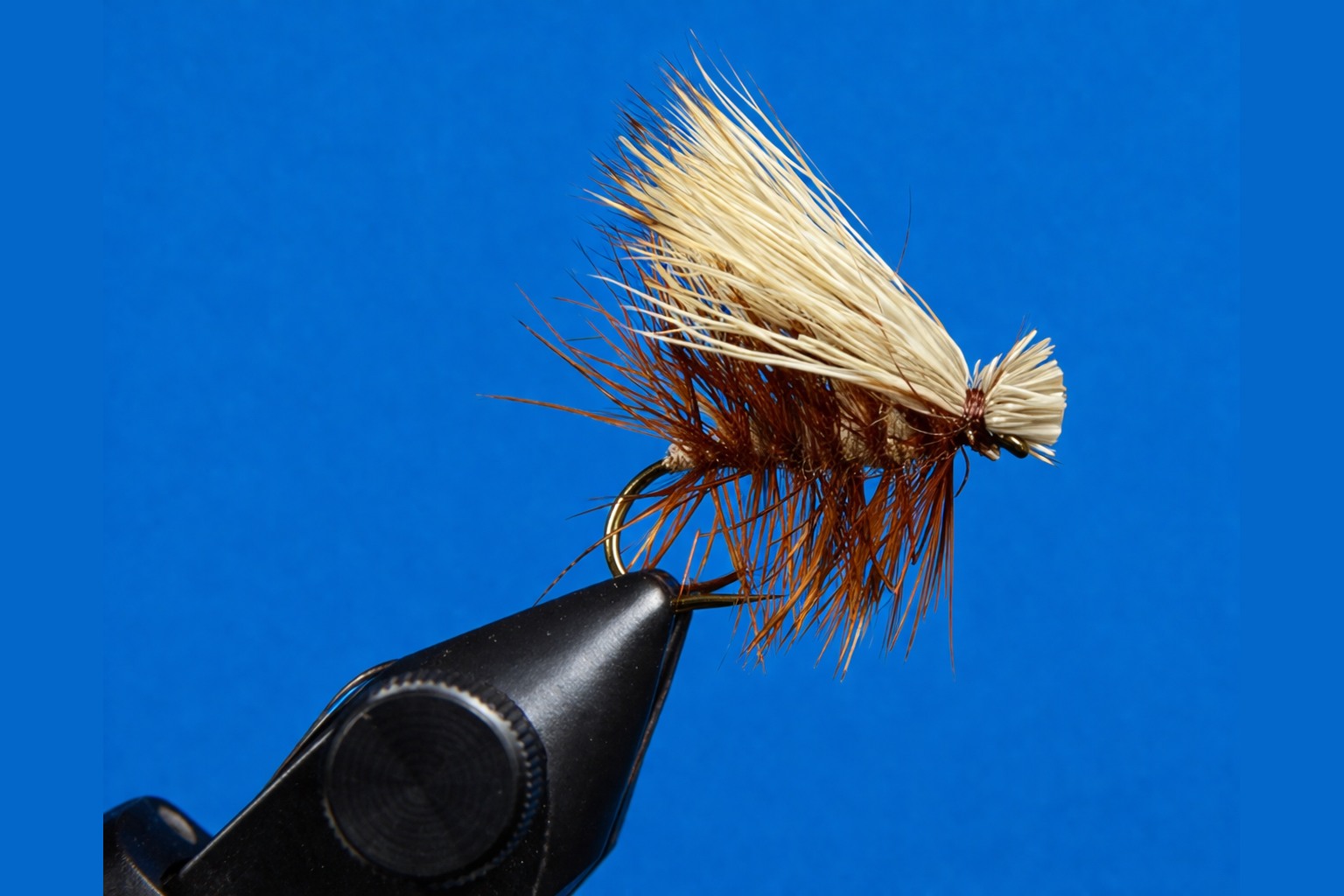
dry flies
A practical caddis dry that stays visible, buoyant, and easy to keep in rotation.
Why it matters
It gives the box a simple caddis anchor that still feels useful across a wide range of trout water.
When it fits
Use it when caddis are in the conversation or when you want a visible, fishable dry that is easy to read.
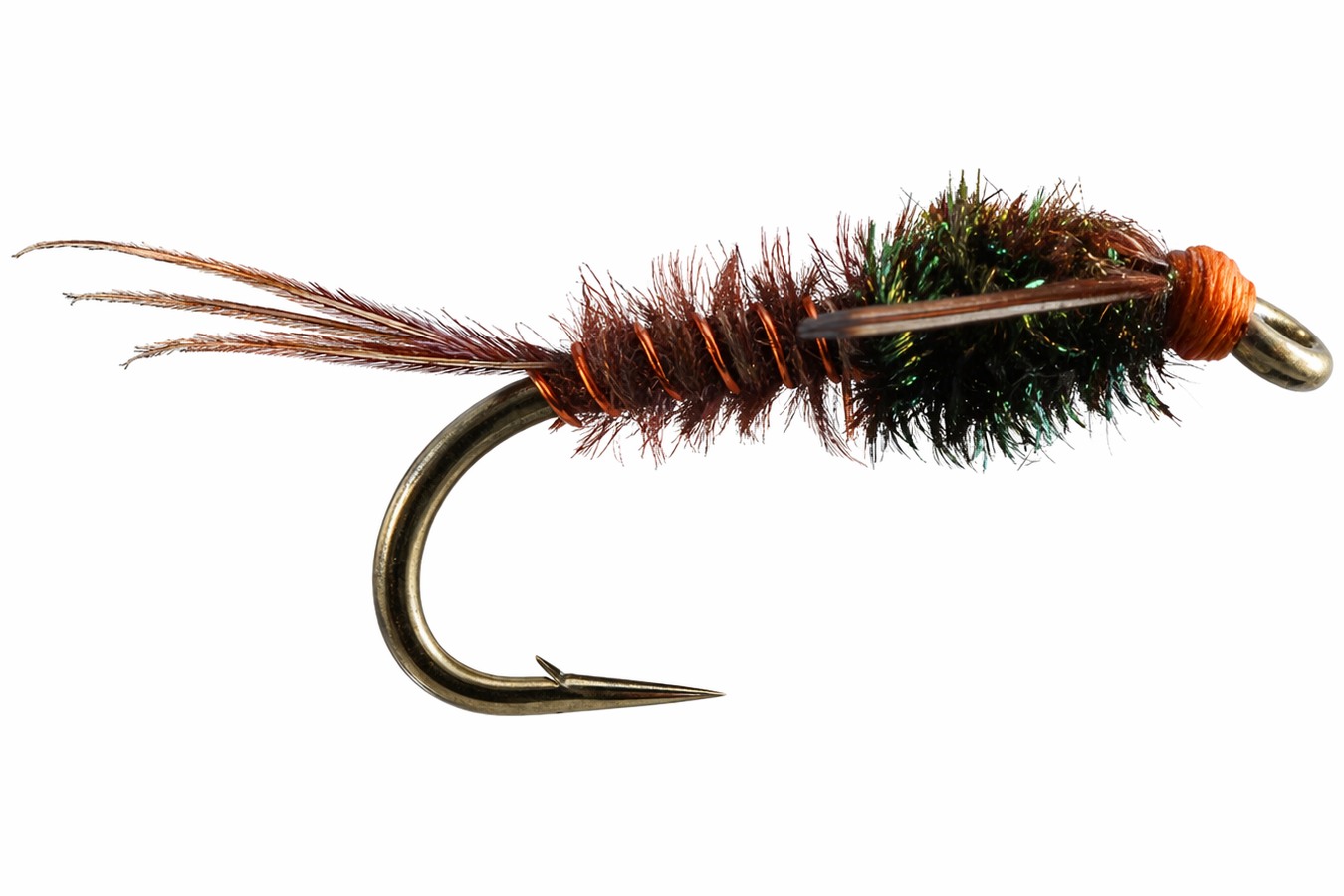
nymphs
A classic mayfly nymph that belongs in almost every organized trout library.
Why it matters
It teaches category logic while still covering real day-to-day trout fishing.
When it fits
Use it when you want a dependable mayfly-leaning nymph that never feels out of place.
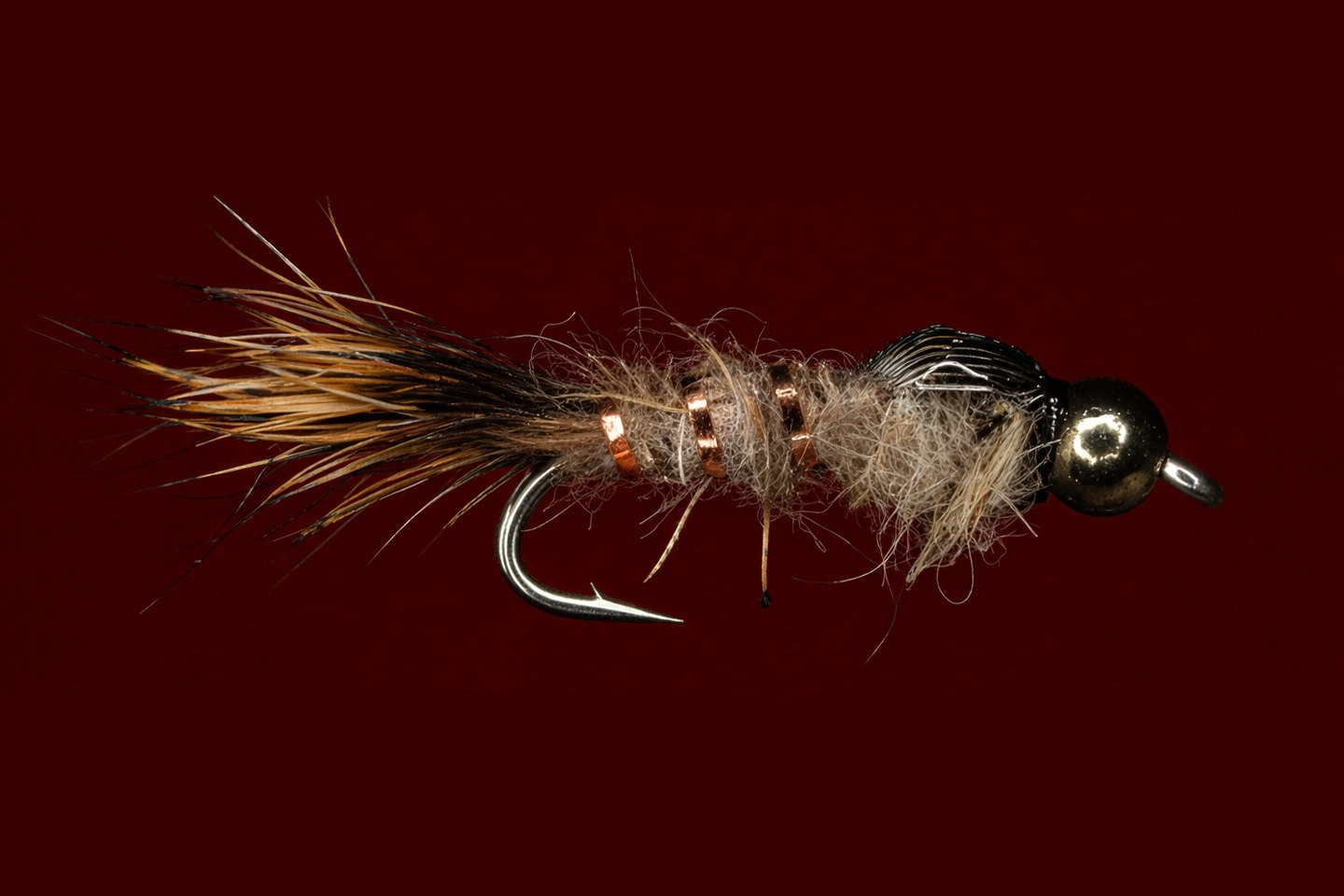
nymphs
An all-purpose searching nymph that keeps the trout box broad without becoming confusing.
Why it matters
It pairs well with slimmer nymphs and helps cover general searching situations cleanly.
When it fits
Use it when you want a nymph with broad utility and classic box value.
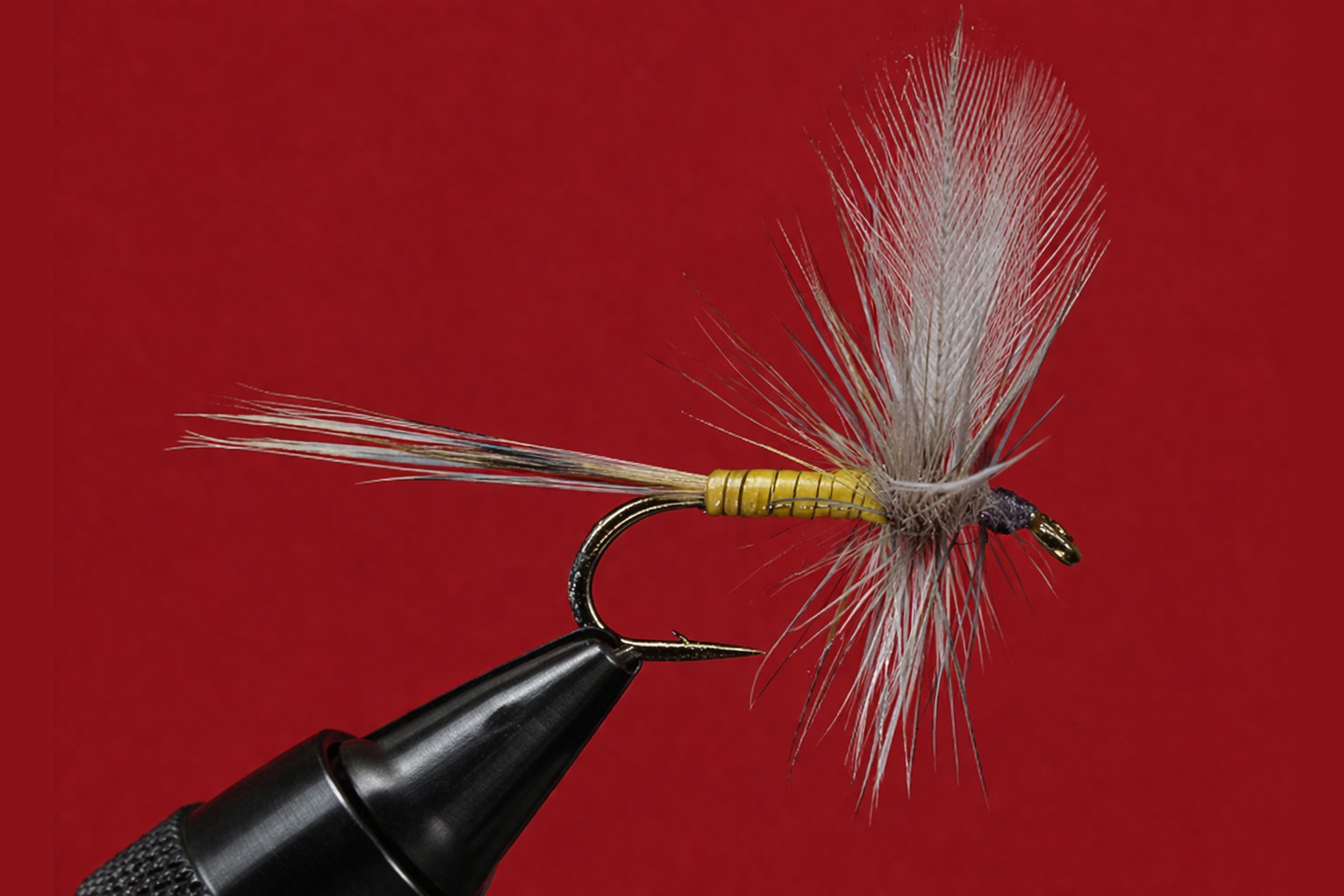
dry flies
A slim mayfly dry that gives trout boxes a reliable small-profile surface option.
Why it matters
It gives the library a clean mayfly anchor that stays easy to trust and easy to organize.
When it fits
Use it when trout are feeding near the surface and a smaller mayfly look belongs in the mix.
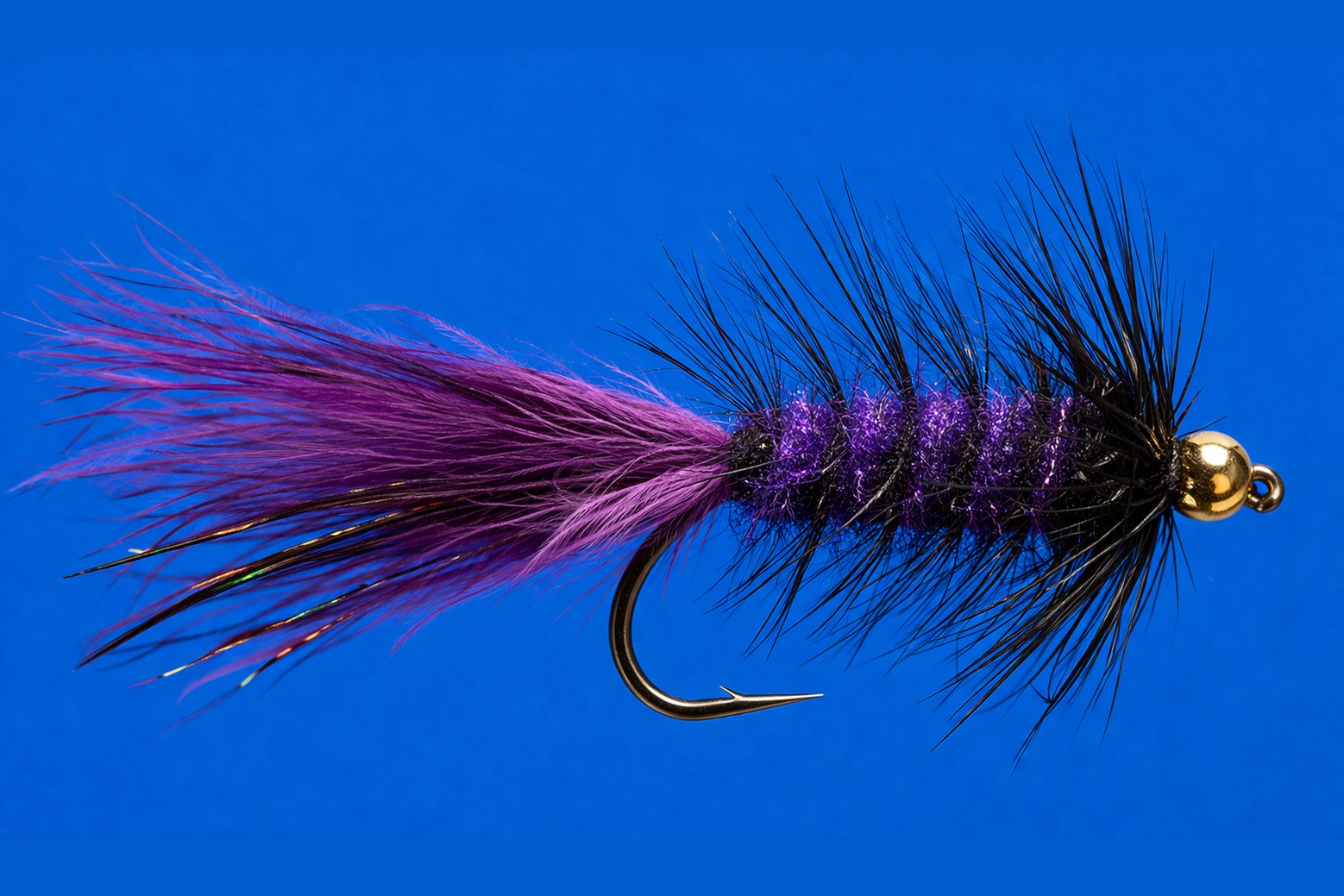
streamers
A classic streamer that covers a huge amount of practical fishing with very little extra explanation.
Why it matters
Few flies are as useful for both beginner tying and long-term fly-box value.
When it fits
Use it when you want a first-stop streamer that can prospect and cover water almost anywhere.
These guides connect the pattern back into broader beginner, trout, seasonal, and category-level decisions.
Guide
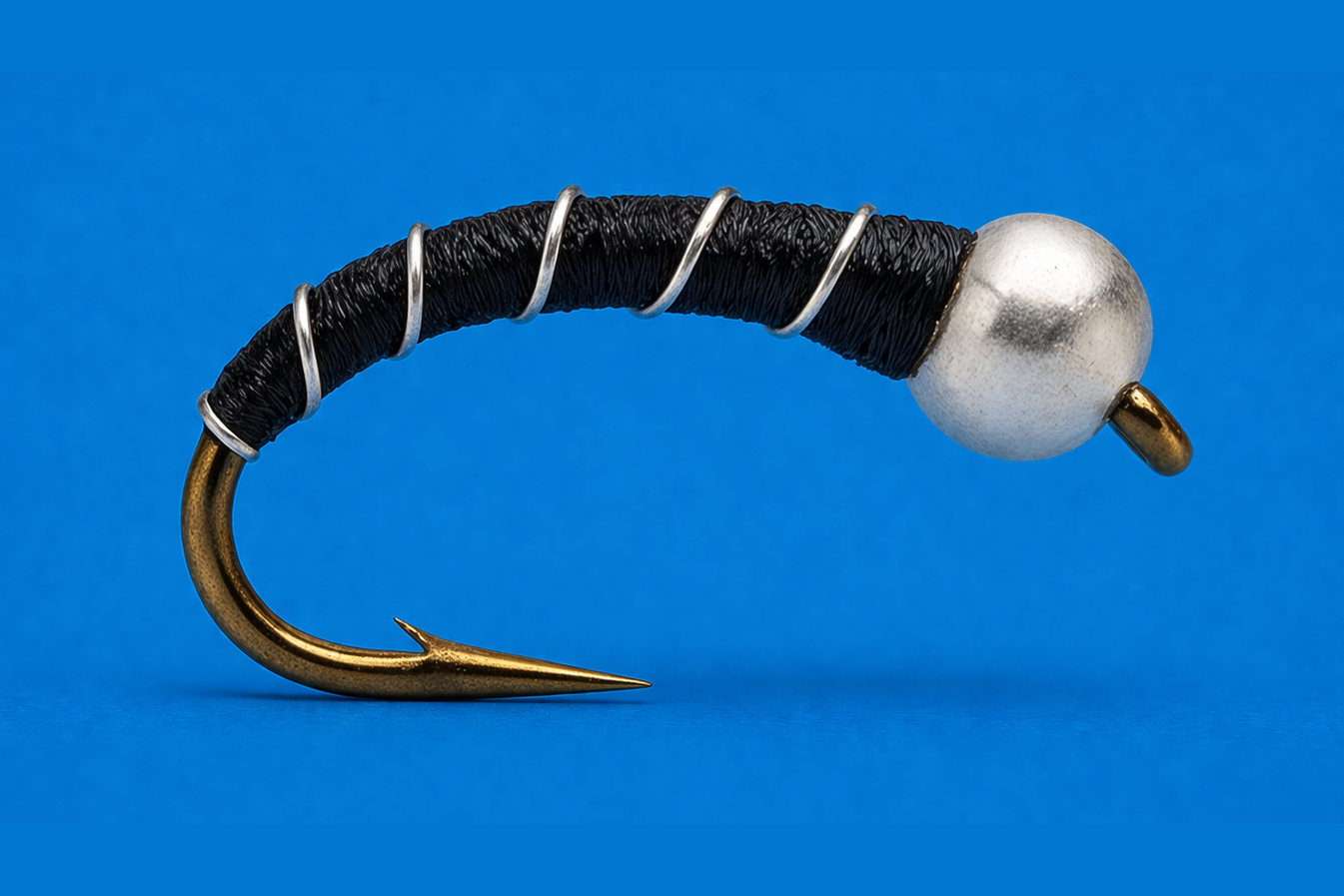
A practical guide to trout nymphs that cover slim confidence patterns, classic searching flies, and modern tactical options.
Guide
An organized list of midge patterns that help anglers cover both surface and subsurface trout feeding with more confidence.
Guide
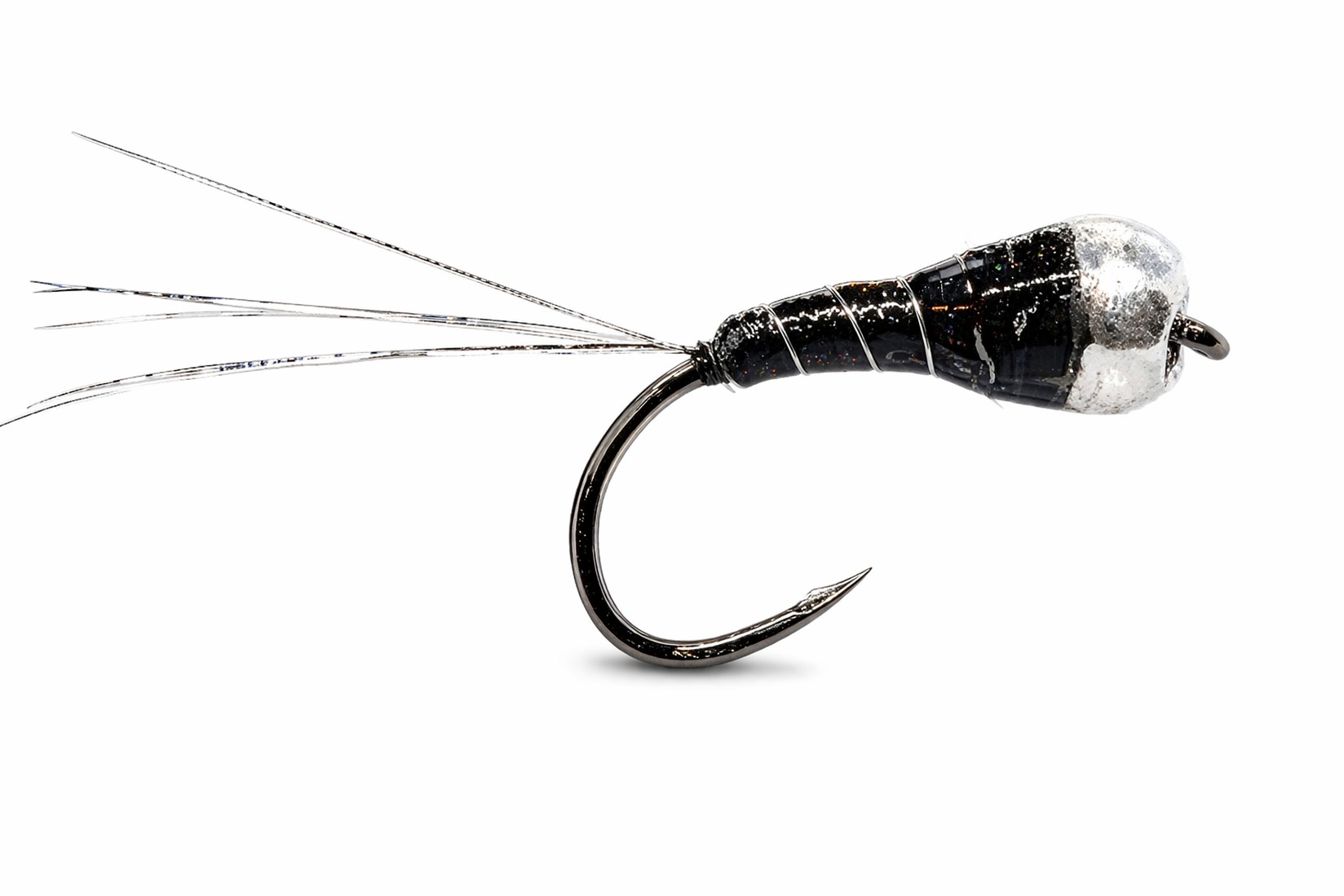
A clean guide to euro nymph patterns that help anglers build a tactical subsurface row with more structure and less clutter.
Guide
A guide to attractor fly patterns that help anglers simplify decisions and keep confidence flies in easy reach.
Rainbow Warrior is grouped under euro nymphs in the Blue Wing Labs knowledge hub so anglers can compare it with related patterns and broader category guidance.
Use it when you want a euro fly with more visual separation from neutral patterns.
Rainbow Warrior is listed as intermediate in the public library, so it may ask for a little more experience than the simplest entry-point patterns, but it still fits into an organized learning path.
It keeps euro boxes from becoming too one-note while still fitting a clean tactical system.
Overdressing the thorax until the fly stops sinking and loses the clean rainbow-warrior silhouette.