Clear box role
Each fly here solves a recognizable job instead of only adding another name to memorize.
Guide
Euro nymph boxes work best when they are disciplined. This guide focuses on patterns that give anglers a tactical foundation without turning the category into a wall of nearly identical flies.
Each fly here solves a recognizable job instead of only adding another name to memorize.
The list favors patterns anglers can return to across real sessions, not one-off novelties.
Every recommendation links to a fly page, category page, or related guide so the article behaves like a reference system.
euro nymphs
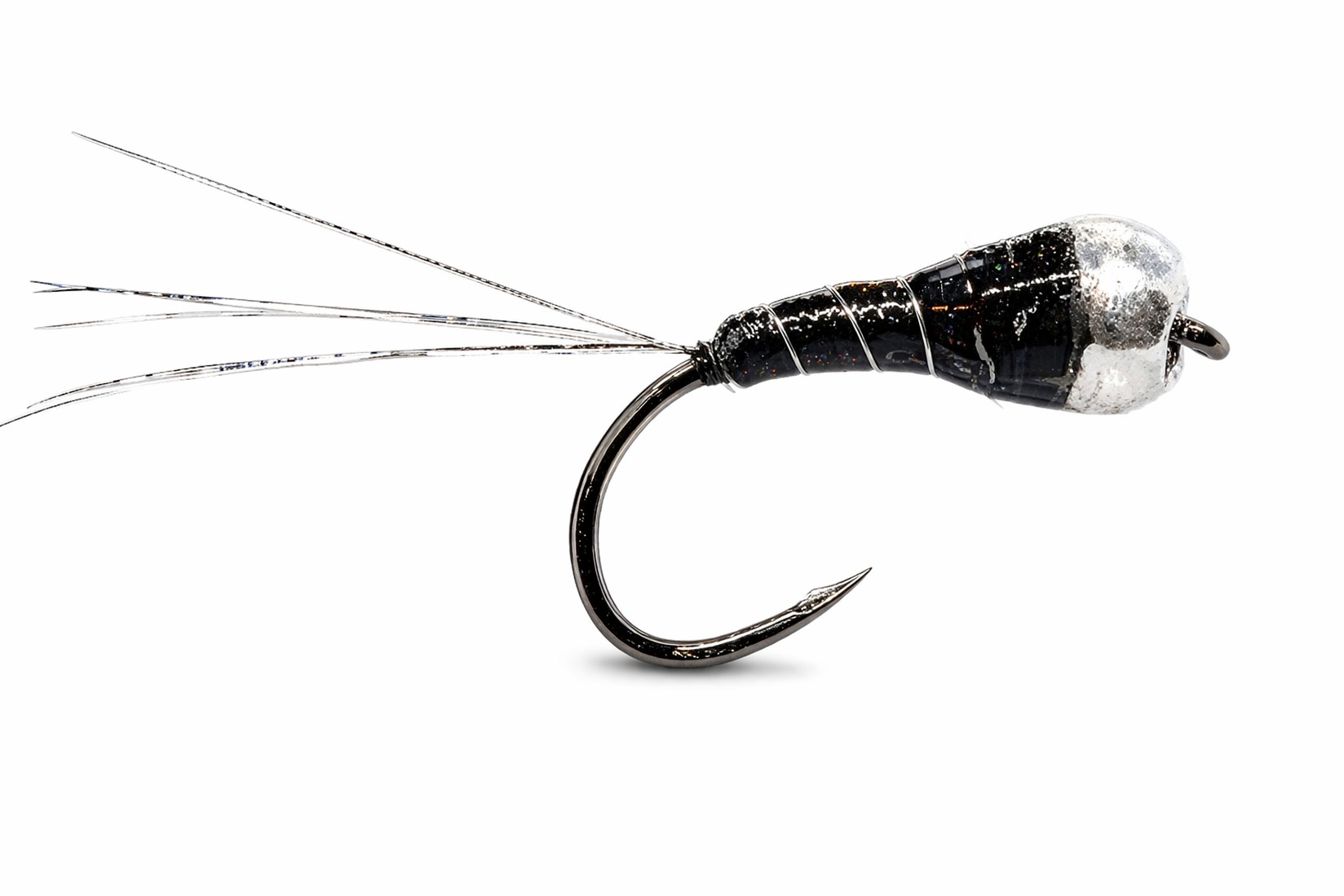
A streamlined euro nymph built around speed, efficiency, and clean tactical purpose.
Why it matters
It is one of the clearest modern examples of euro box discipline and repeatable organization.
When it fits
Use it when you want a slim tactical fly in a direct-contact subsurface workflow.
euro nymphs
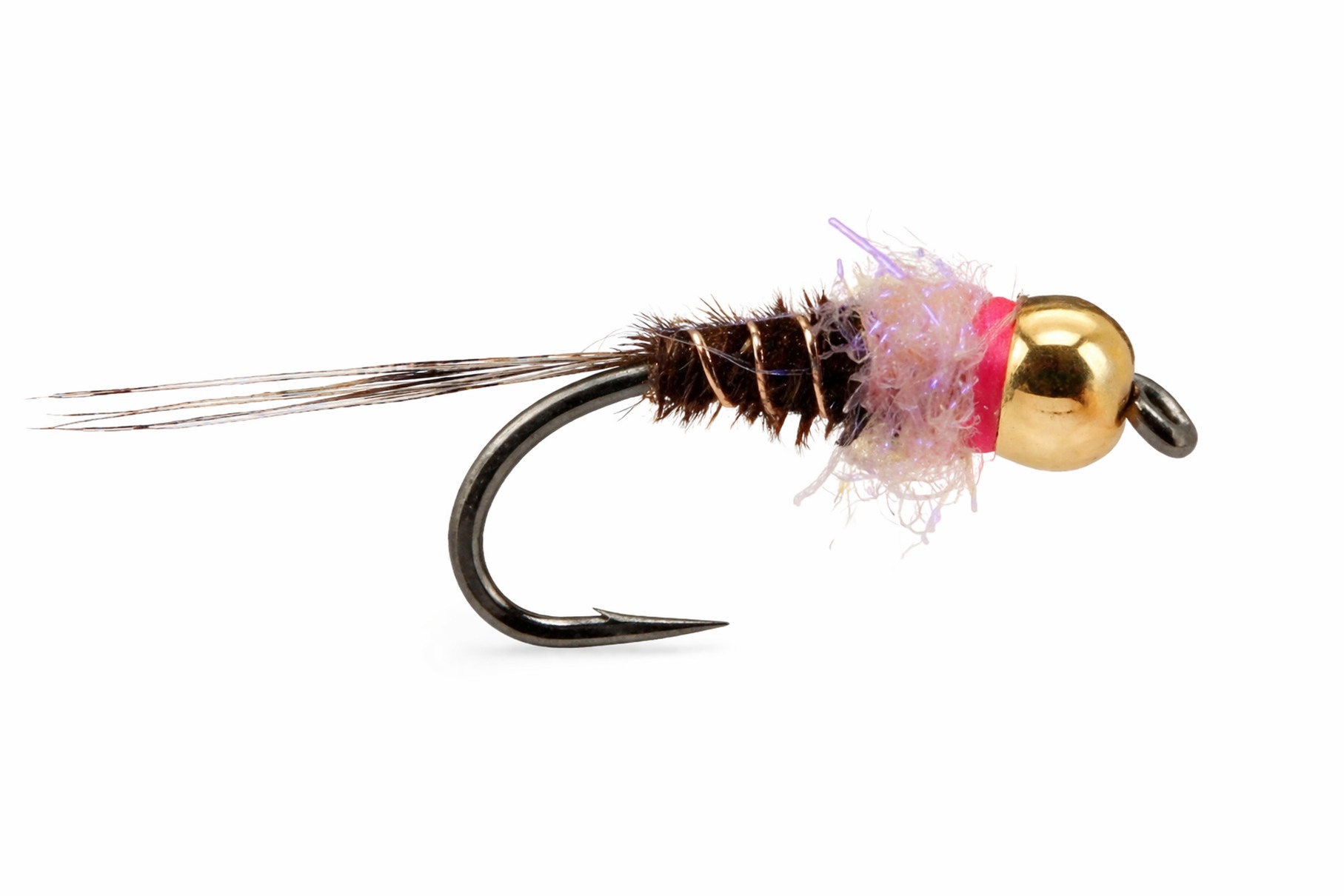
A straightforward euro standard that makes tactical nymphing more approachable.
Why it matters
It gives anglers a familiar, repeatable euro fly that feels easy to keep in rotation.
When it fits
Use it when you want a simple euro pattern with broad everyday utility.
euro nymphs
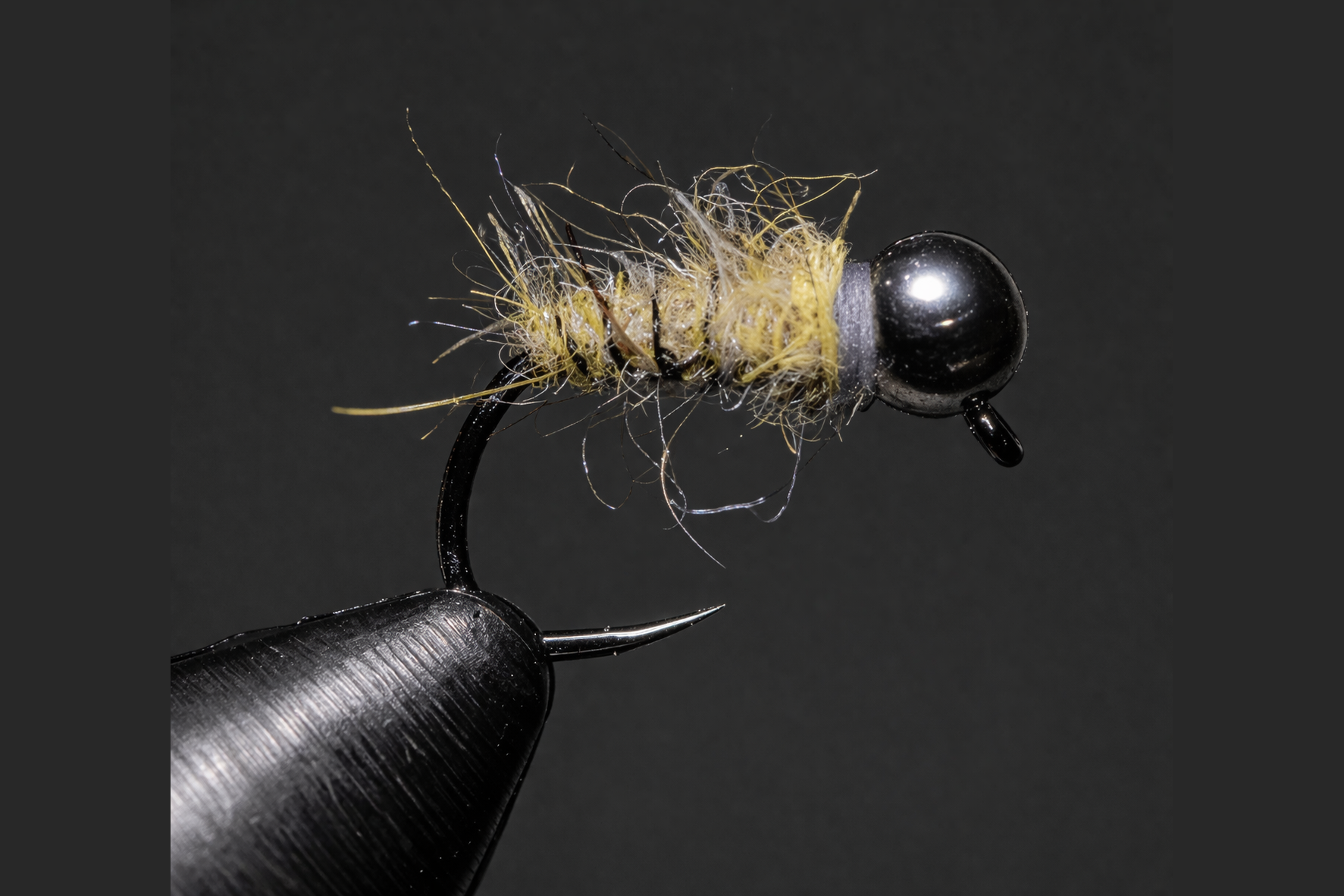
A simple euro-friendly pattern that proves useful tactical flies do not need complexity.
Why it matters
It reinforces the value of simple, repeatable flies inside a disciplined euro row.
When it fits
Use it when you want an approachable euro nymph that stays easy to tie and easy to organize.
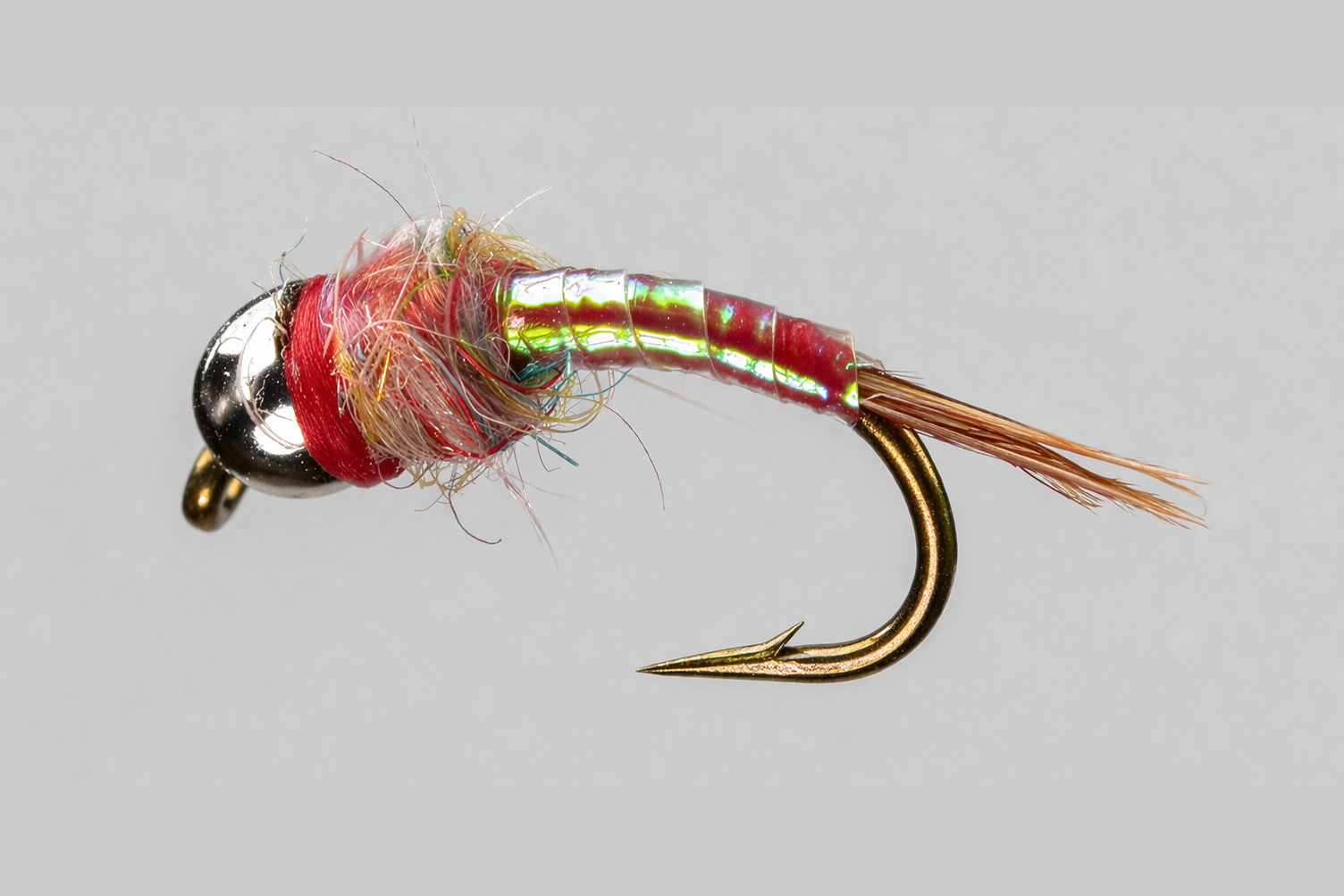
euro nymphs
An attractor-leaning euro pattern that adds brightness and contrast to the tactical row.
Why it matters
It keeps euro boxes from becoming too one-note while still fitting a clean tactical system.
When it fits
Use it when you want a euro fly with more visual separation from neutral patterns.
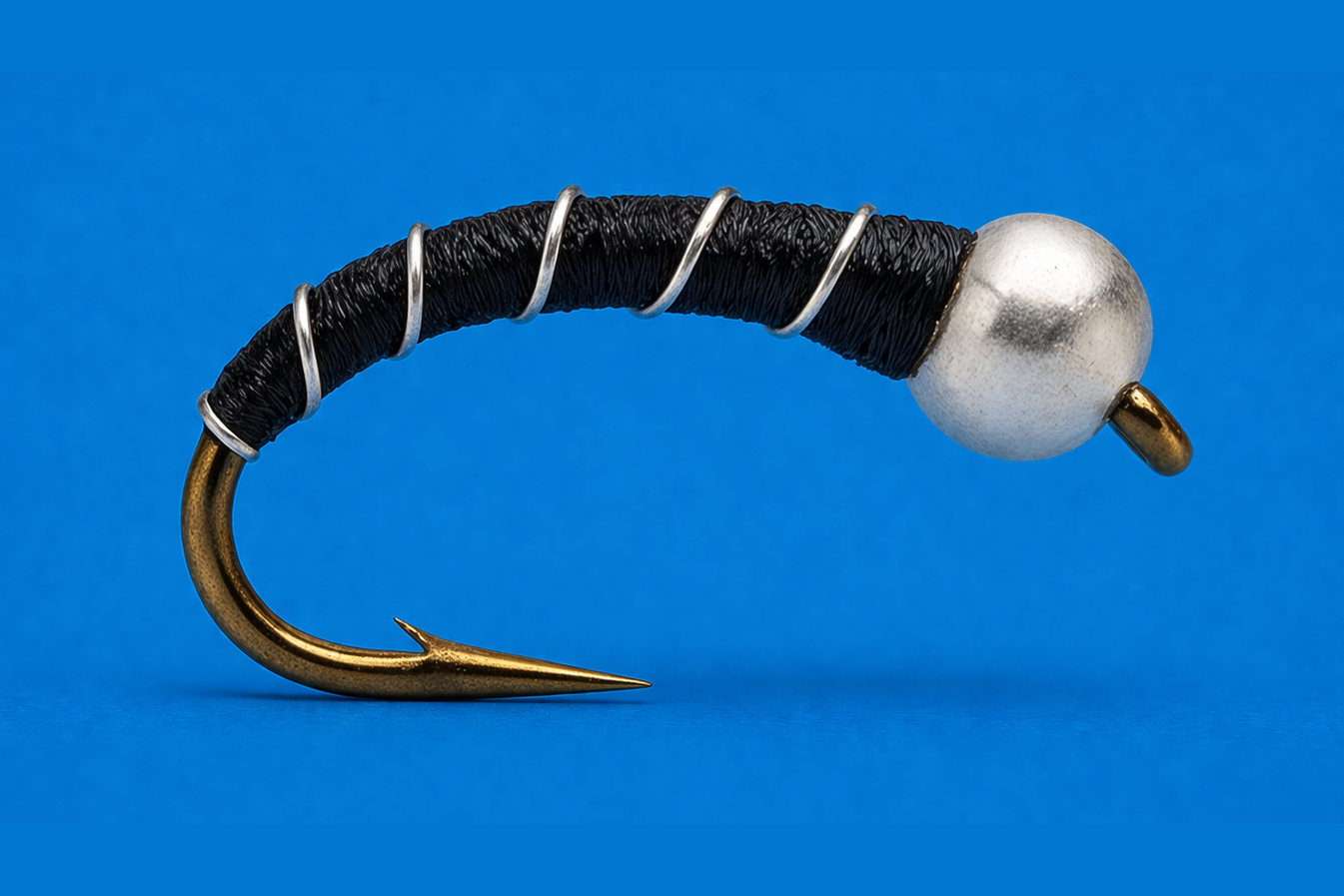
Guide
A practical guide to trout nymphs that cover slim confidence patterns, classic searching flies, and modern tactical options.
Guide
An organized list of midge patterns that help anglers cover both surface and subsurface trout feeding with more confidence.
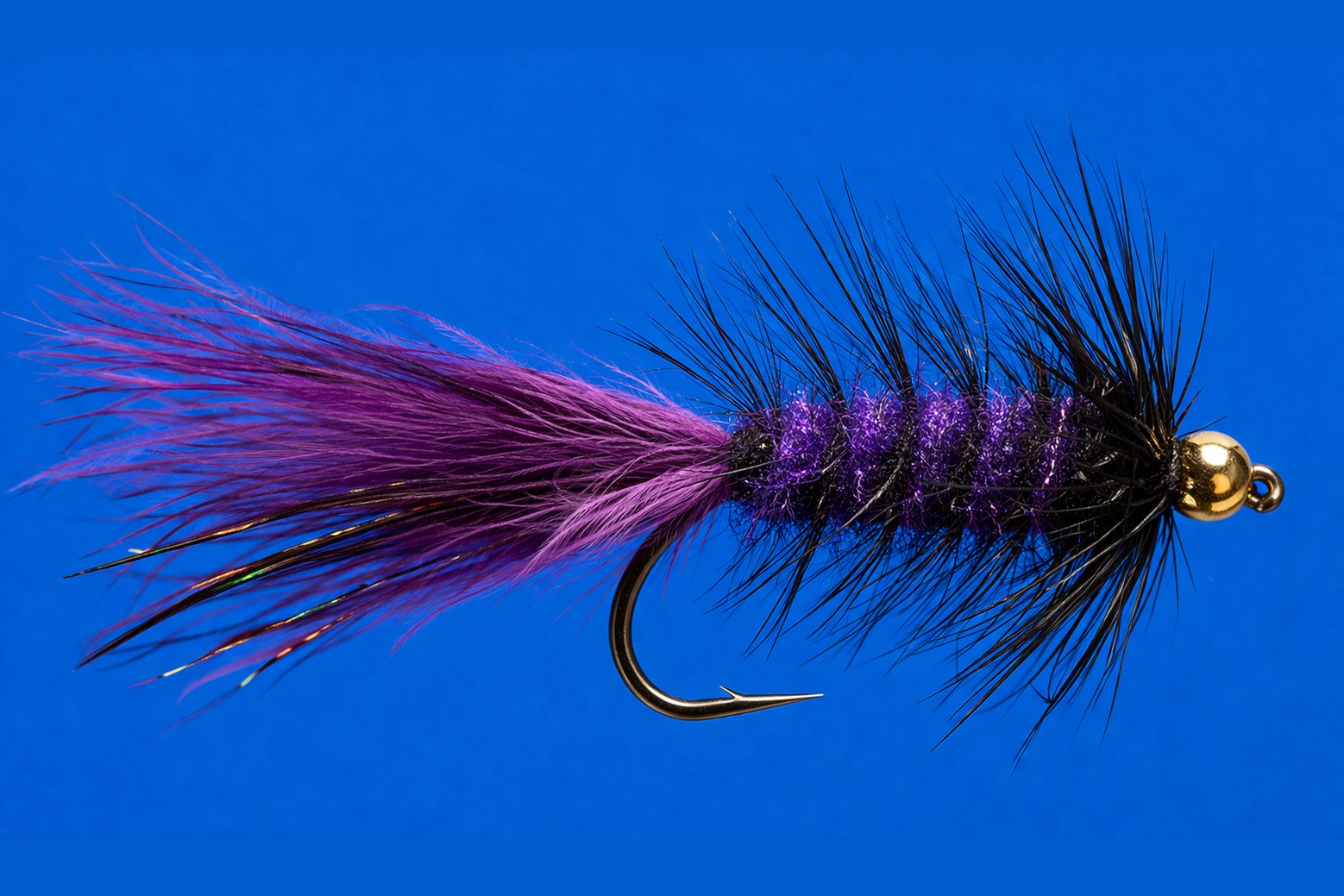
Guide
A useful list of easy fly patterns that still deserve long-term box space instead of being beginner-only throwaways.
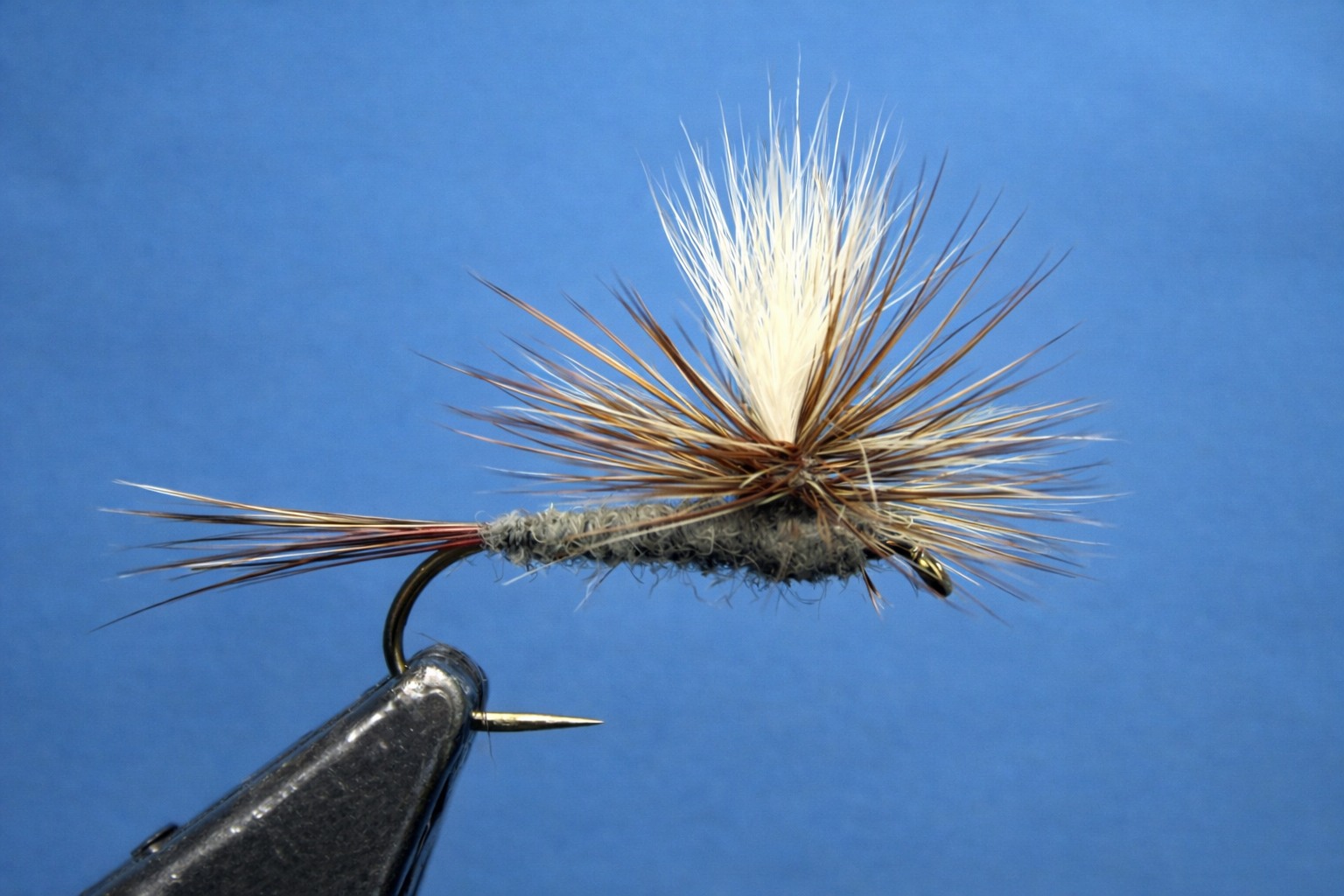
Guide
A guide to versatile fly patterns that keep earning box space because they stay useful across seasons, water types, and trout situations.
A small group of dependable patterns often works better than a large unfocused collection. The goal is clear roles, not endless variation.
Patterns like the Frenchie and Walt's Worm are strong entry points because they remain approachable while still fitting a tactical euro workflow.