Guide
Best Beginner Fly Patterns
A practical Blue Wing Labs guide to beginner fly patterns that stay useful, understandable, and worth keeping in a first trout box.
Fly category
Dry flies matter because they turn visible feeding into easier decisions. Blue Wing Labs keeps this category organized so anglers can compare surface patterns without losing the logic of the box.
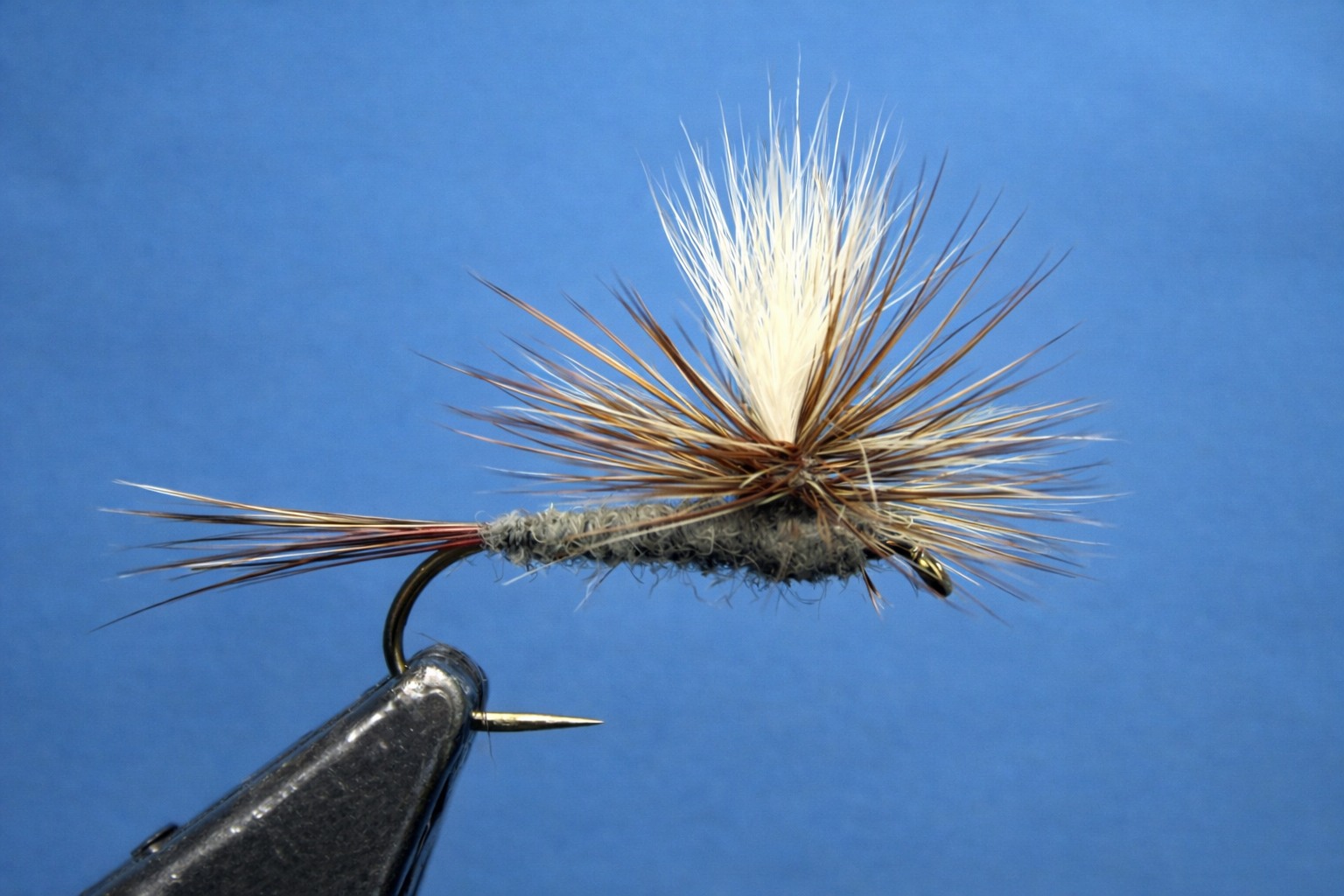
dry flies
A visible attractor dry that remains one of the easiest all-around trout patterns to keep in a box.
Why it matters
It is a benchmark confidence fly that helps anglers cover a lot of water without overthinking the surface game.
When it fits
Use it when you want a dependable dry that feels broad, visible, and easy to fish with confidence.
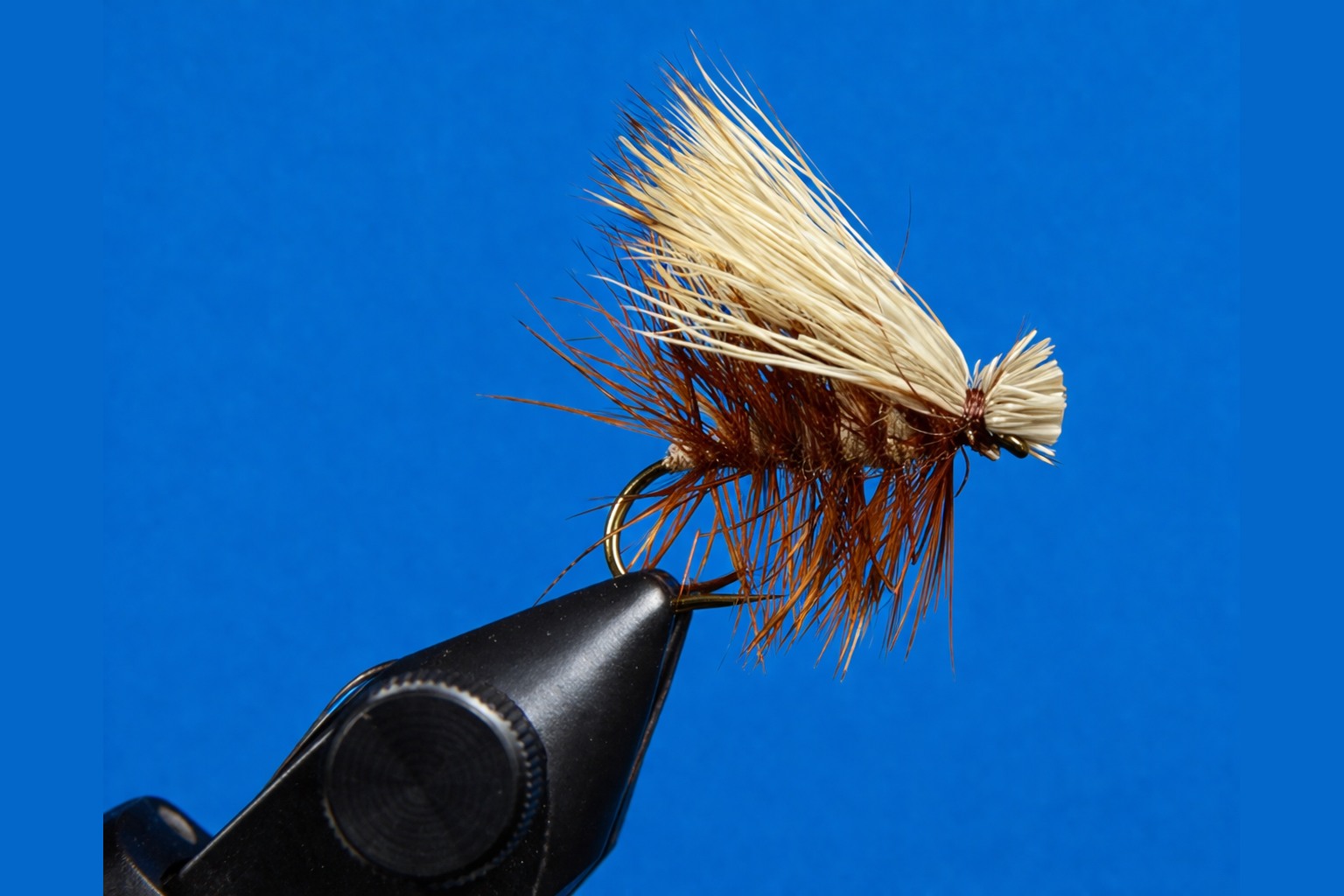
dry flies
A practical caddis dry that stays visible, buoyant, and easy to keep in rotation.
Why it matters
It gives the box a simple caddis anchor that still feels useful across a wide range of trout water.
When it fits
Use it when caddis are in the conversation or when you want a visible, fishable dry that is easy to read.
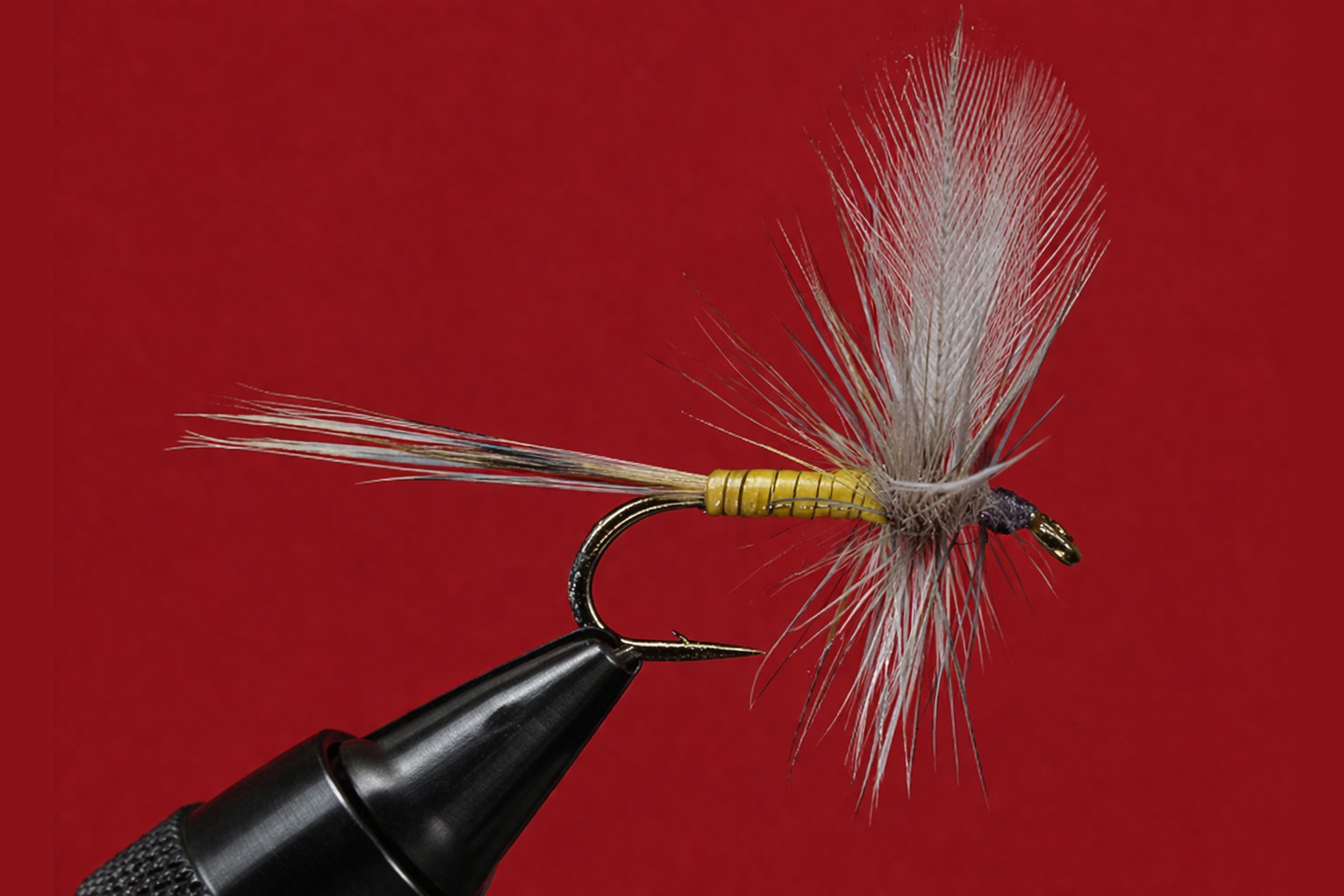
dry flies
A slim mayfly dry that gives trout boxes a reliable small-profile surface option.
Why it matters
It gives the library a clean mayfly anchor that stays easy to trust and easy to organize.
When it fits
Use it when trout are feeding near the surface and a smaller mayfly look belongs in the mix.
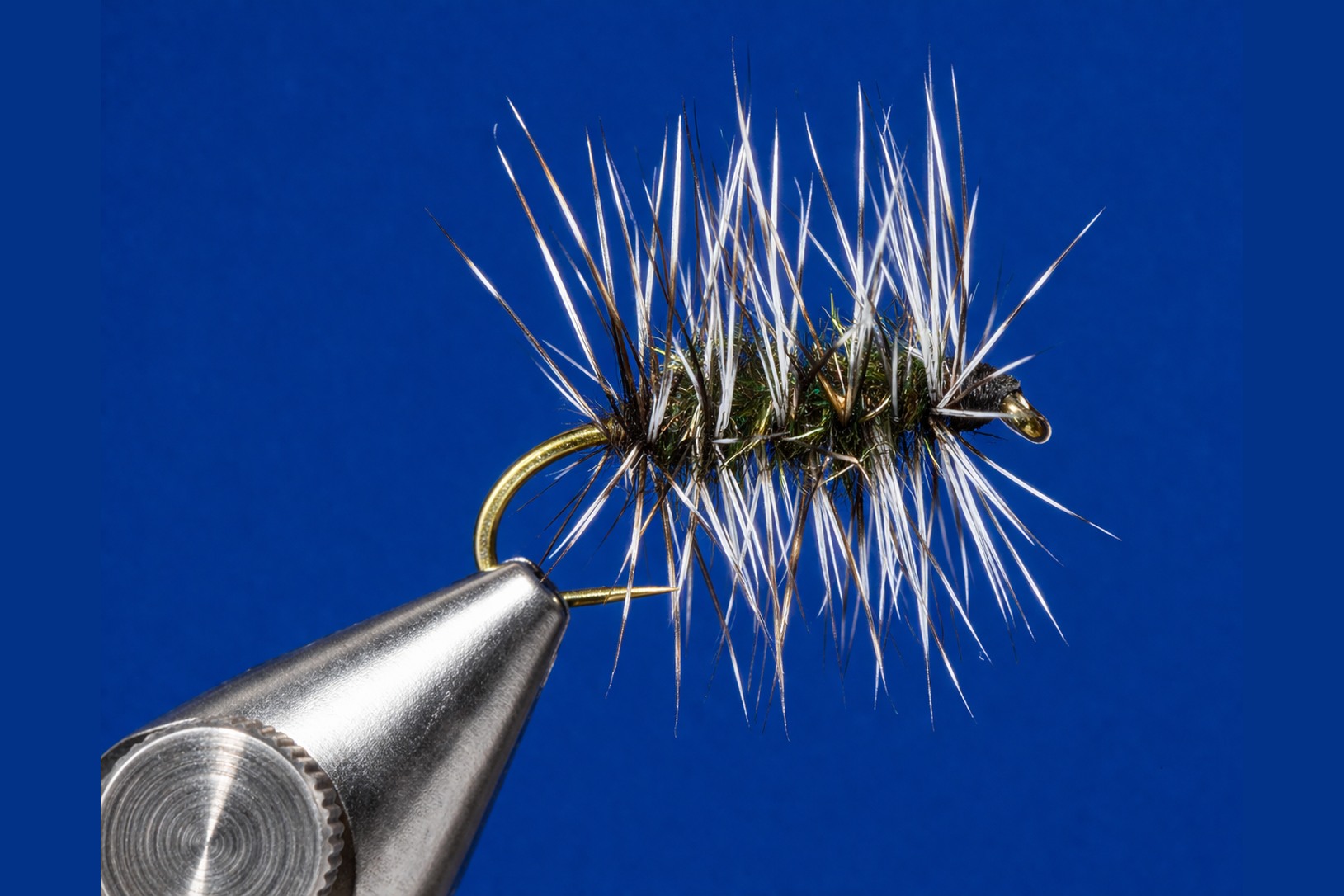
dry flies
A classic midge dry that keeps small-surface coverage in the box.
Why it matters
It stops the dry-fly row from becoming only mayflies and caddis.
When it fits
Use it when trout are tuned to smaller food near the surface.
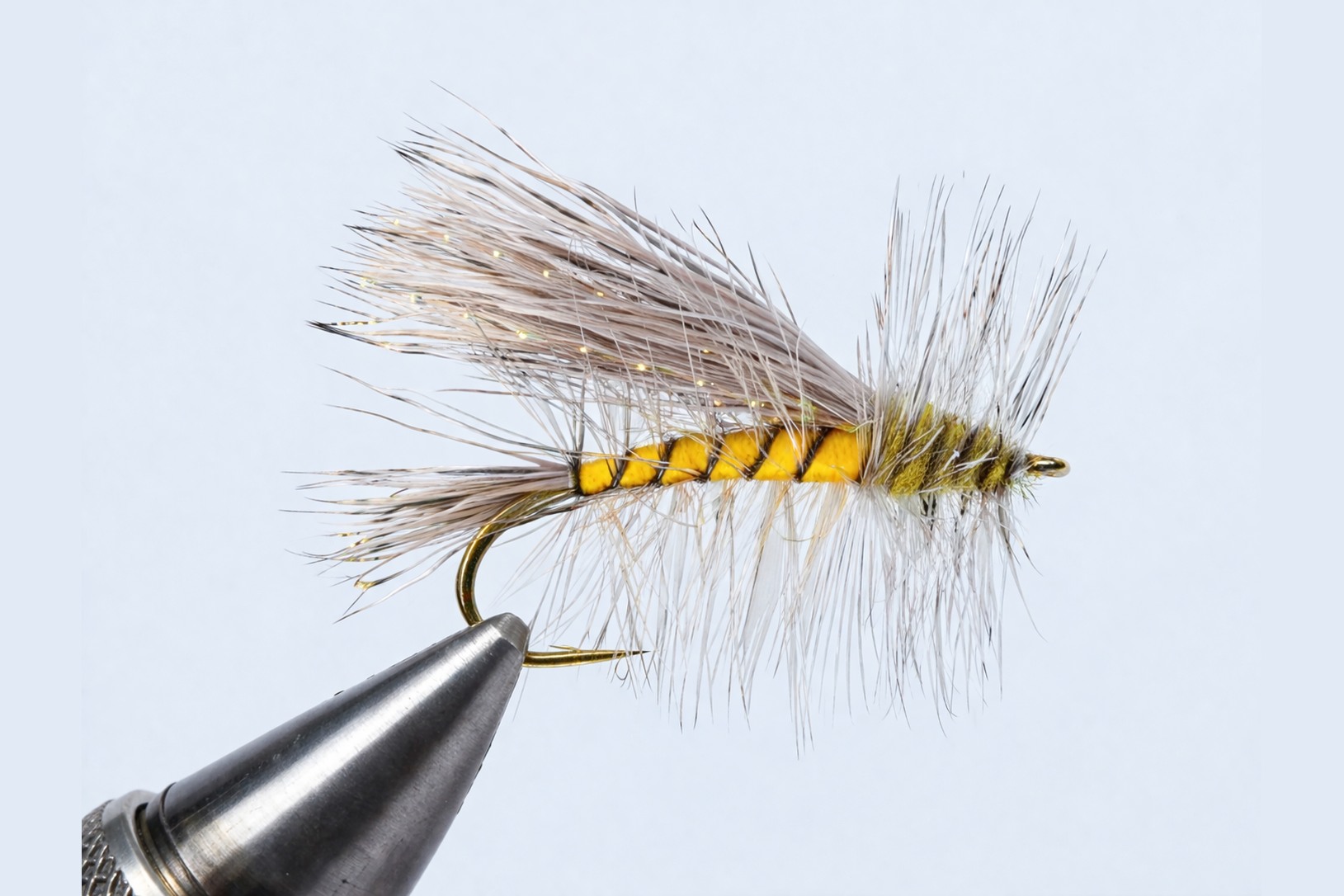
dry flies
A larger attractor dry that brings visibility and a stronger footprint to the surface.
Why it matters
It gives anglers an easy-to-see dry when smaller patterns feel too quiet.
When it fits
Use it in faster water, western-style dry-fly fishing, or whenever visibility matters.
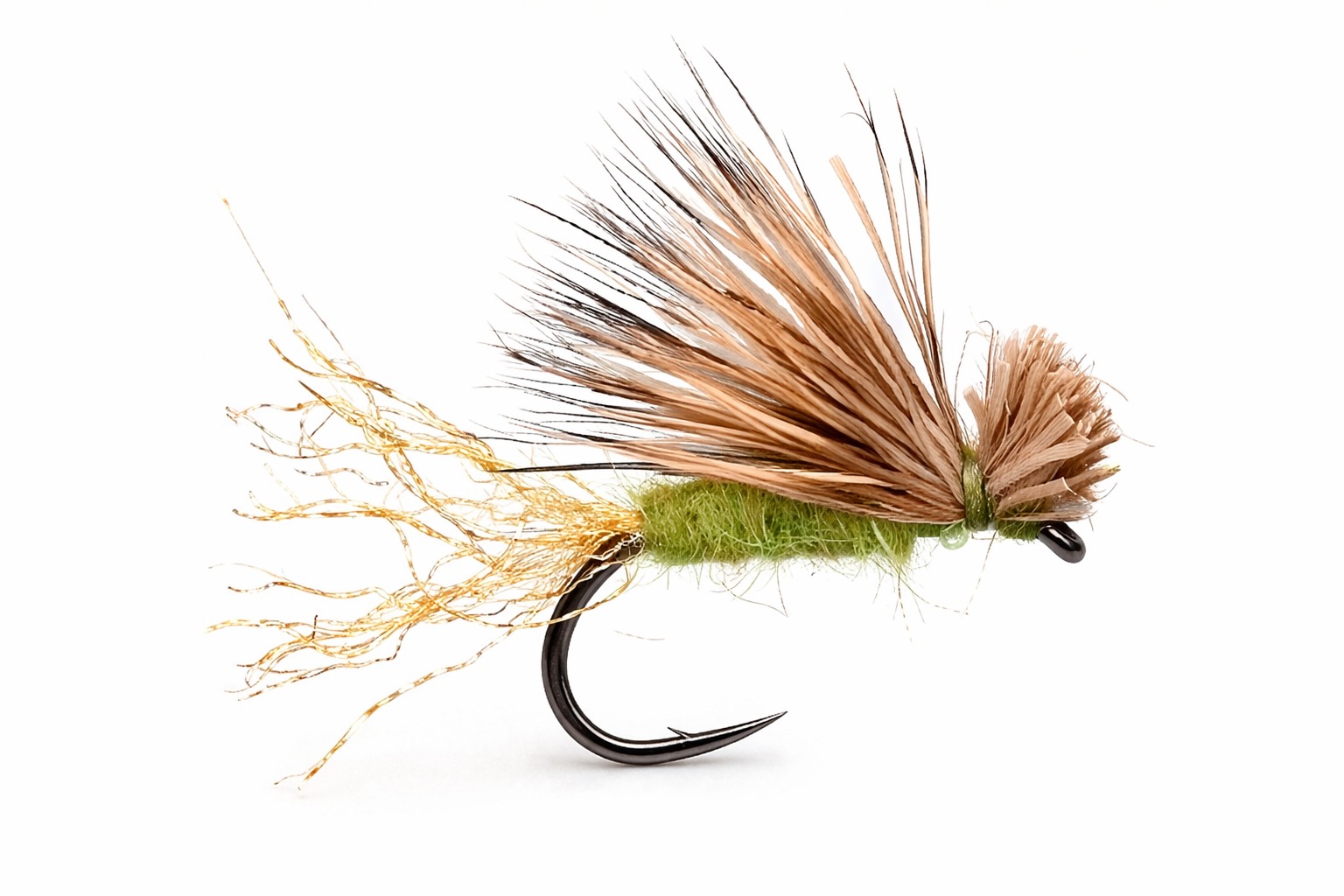
dry flies
A lower-profile caddis pattern for anglers who want a quieter adult look.
Why it matters
It gives the caddis group a more restrained option than a bigger float-heavy dry.
When it fits
Use it when trout are close to the film and a subtler caddis shape makes sense.
Guide
A practical Blue Wing Labs guide to beginner fly patterns that stay useful, understandable, and worth keeping in a first trout box.
Guide
A broad roundup of trout flies worth knowing, from classic dries and nymphs to streamers, emergers, and terrestrials.
Guide
An organized guide to trout dry flies that balance hatch matching, surface confidence, visibility, and season-long usefulness.
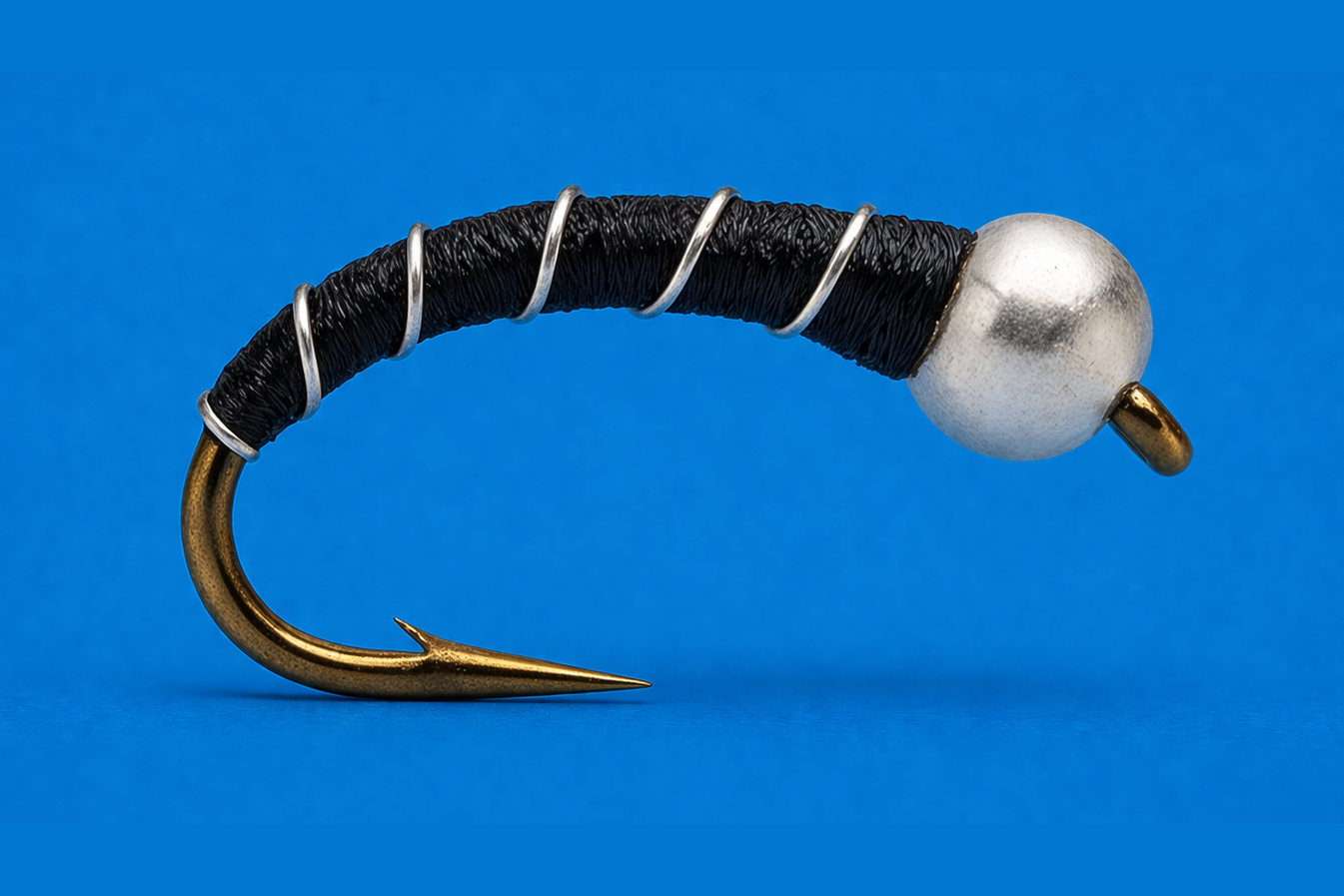
Guide
An organized list of midge patterns that help anglers cover both surface and subsurface trout feeding with more confidence.
Guide
A practical guide to caddis flies worth keeping in a trout box, from visible dry flies to lower-profile adult choices.
Guide
A structured mayfly-pattern guide covering dries, nymphs, and emergers that belong in a well-organized trout box.
A strong dry-fly pattern usually offers visibility, a clear identity, and enough versatility to keep earning space outside of one narrow hatch.
No. Many of the best dry flies stay useful because they are readable, repeatable, and easier to fish with confidence once you understand where they fit.