Clear box role
Each fly here solves a recognizable job instead of only adding another name to memorize.
Guide
Mayfly coverage works best when it spans more than one level in the water. These patterns give anglers a cleaner way to organize mayfly fishing across nymphs, emergers, and dry flies.
Each fly here solves a recognizable job instead of only adding another name to memorize.
The list favors patterns anglers can return to across real sessions, not one-off novelties.
Every recommendation links to a fly page, category page, or related guide so the article behaves like a reference system.
dry flies
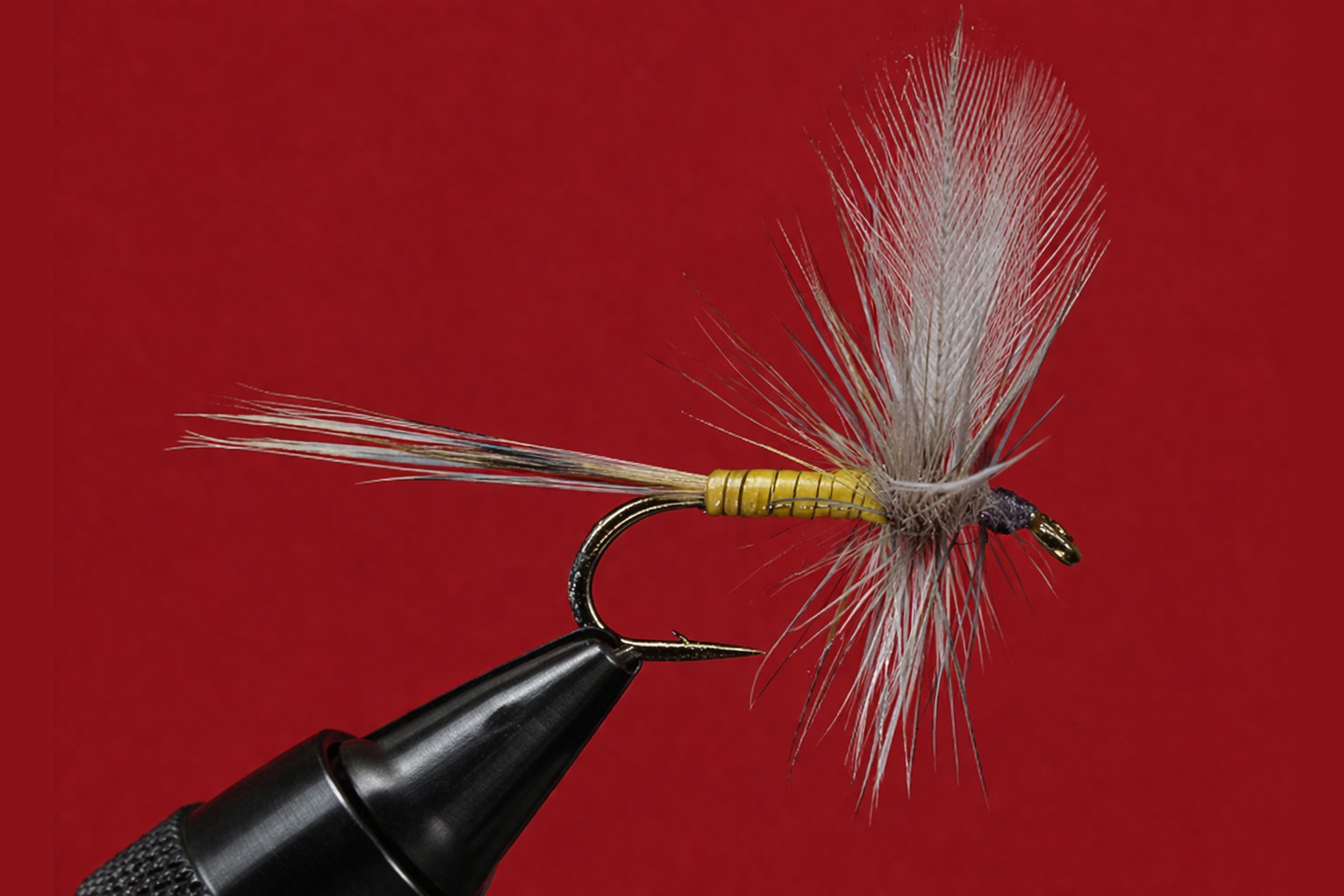
A slim mayfly dry that gives trout boxes a reliable small-profile surface option.
Why it matters
It gives the library a clean mayfly anchor that stays easy to trust and easy to organize.
When it fits
Use it when trout are feeding near the surface and a smaller mayfly look belongs in the mix.
dry flies
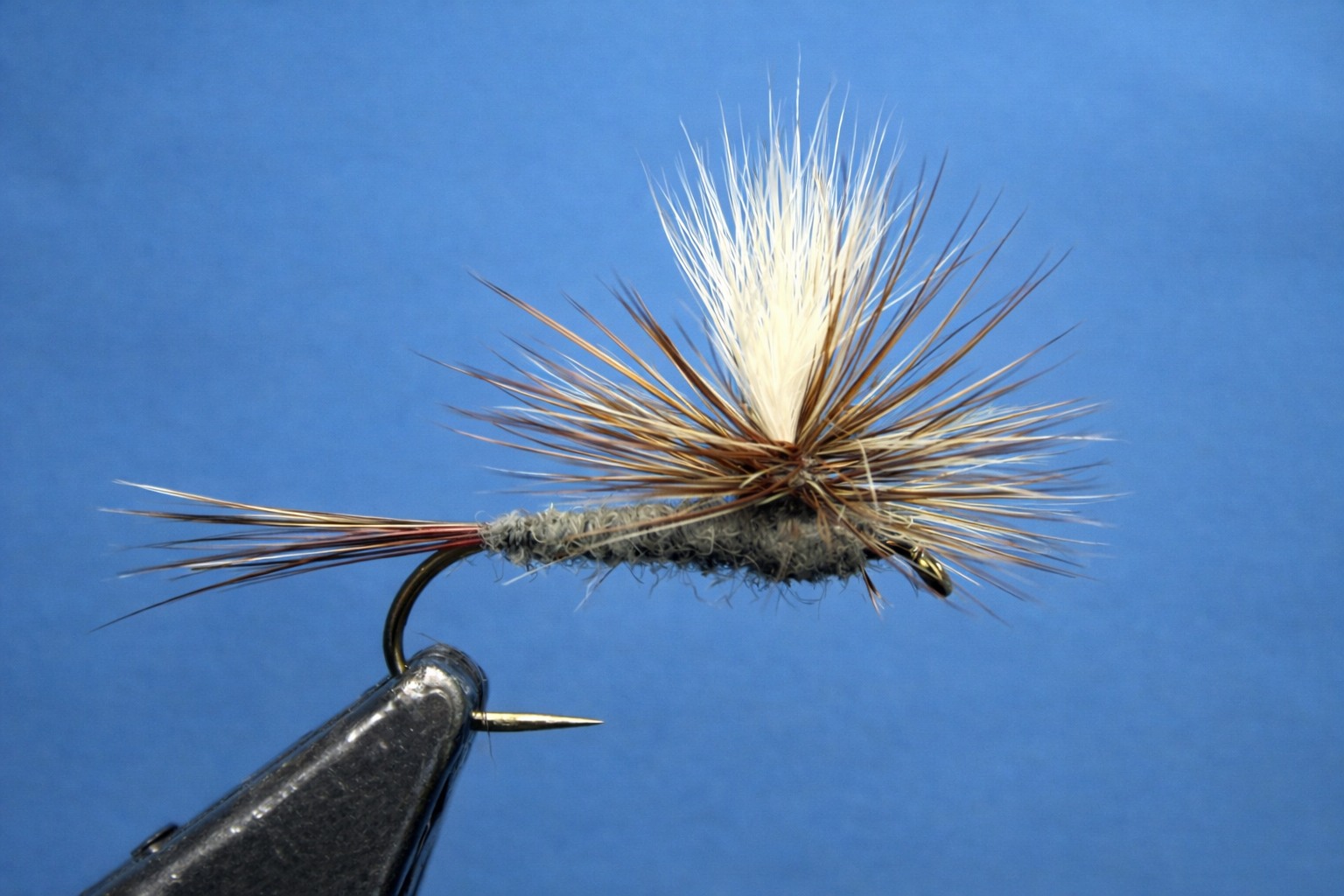
A visible attractor dry that remains one of the easiest all-around trout patterns to keep in a box.
Why it matters
It is a benchmark confidence fly that helps anglers cover a lot of water without overthinking the surface game.
When it fits
Use it when you want a dependable dry that feels broad, visible, and easy to fish with confidence.
nymphs
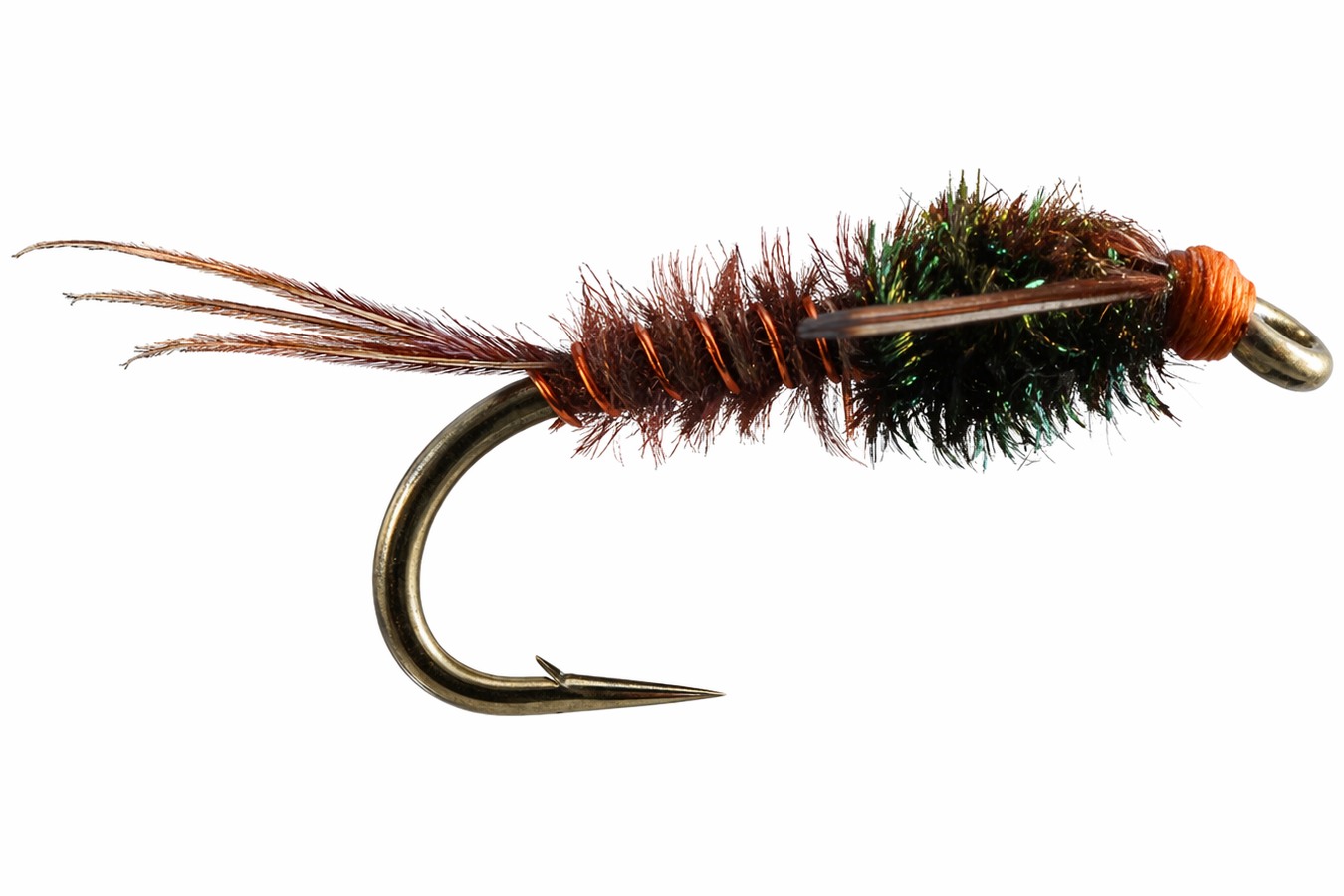
A classic mayfly nymph that belongs in almost every organized trout library.
Why it matters
It teaches category logic while still covering real day-to-day trout fishing.
When it fits
Use it when you want a dependable mayfly-leaning nymph that never feels out of place.
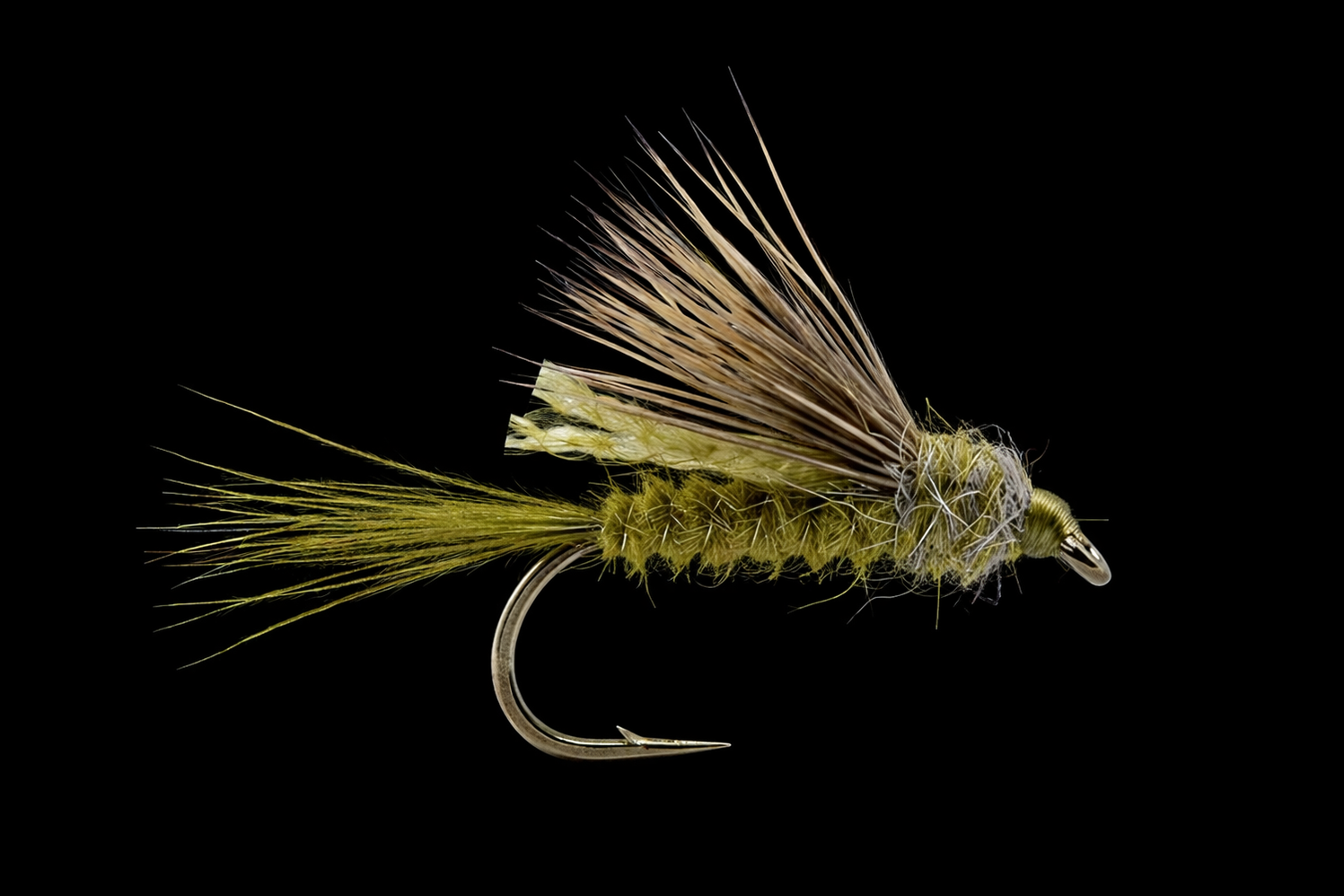
emergers
A mayfly emerger that keeps film-focused trout coverage organized.
Why it matters
It helps anglers stay in the feeding window when fish are close to the surface but not fully on dries.
When it fits
Use it during mayfly activity when a transition pattern feels more honest than a high-floating adult.
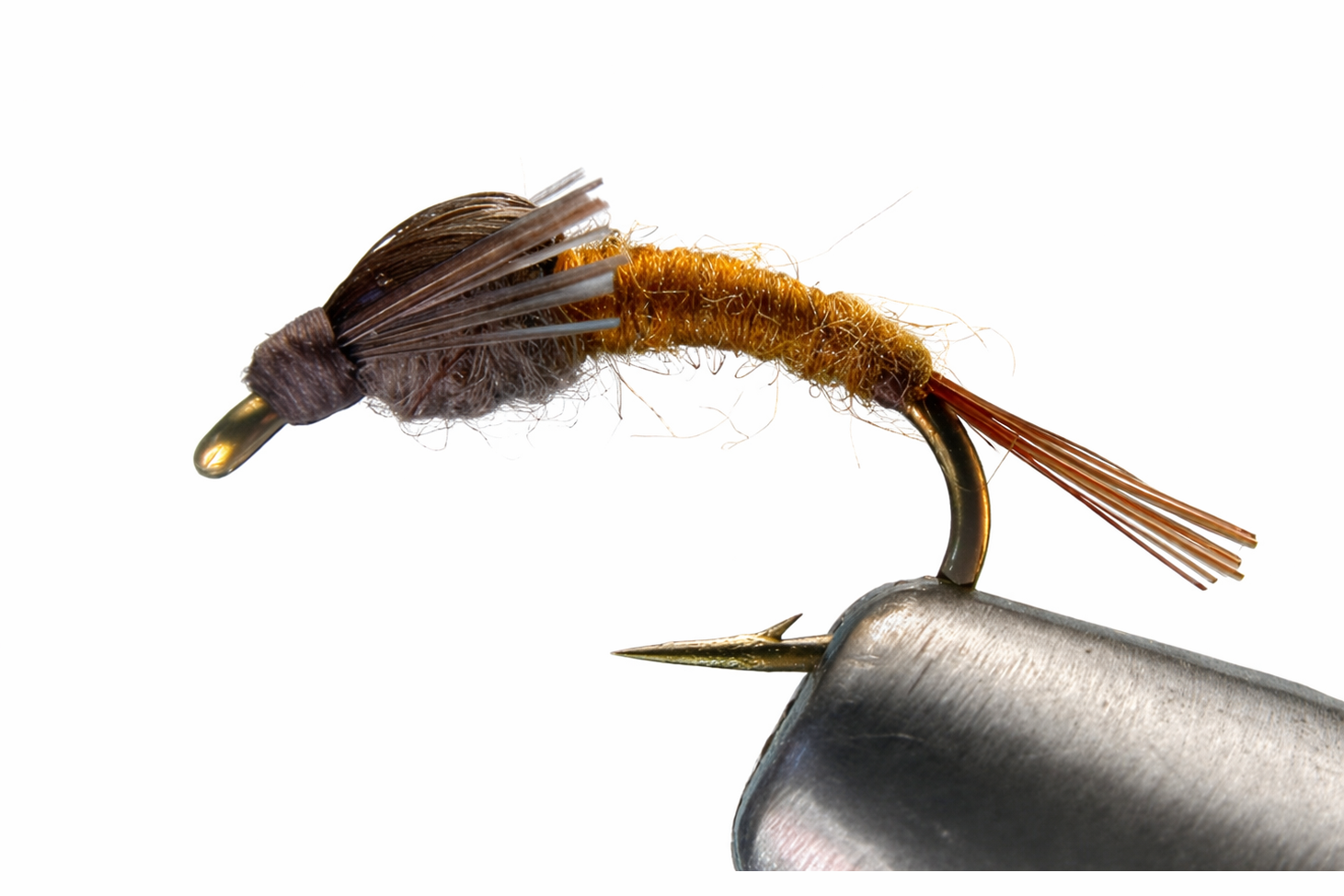
emergers
A practical emerger that keeps hatch-stage coverage easier to organize.
Why it matters
It gives the emerger category a dedicated, dependable pattern instead of forcing that job onto unrelated flies.
When it fits
Use it when trout are focused on insects moving into the film.
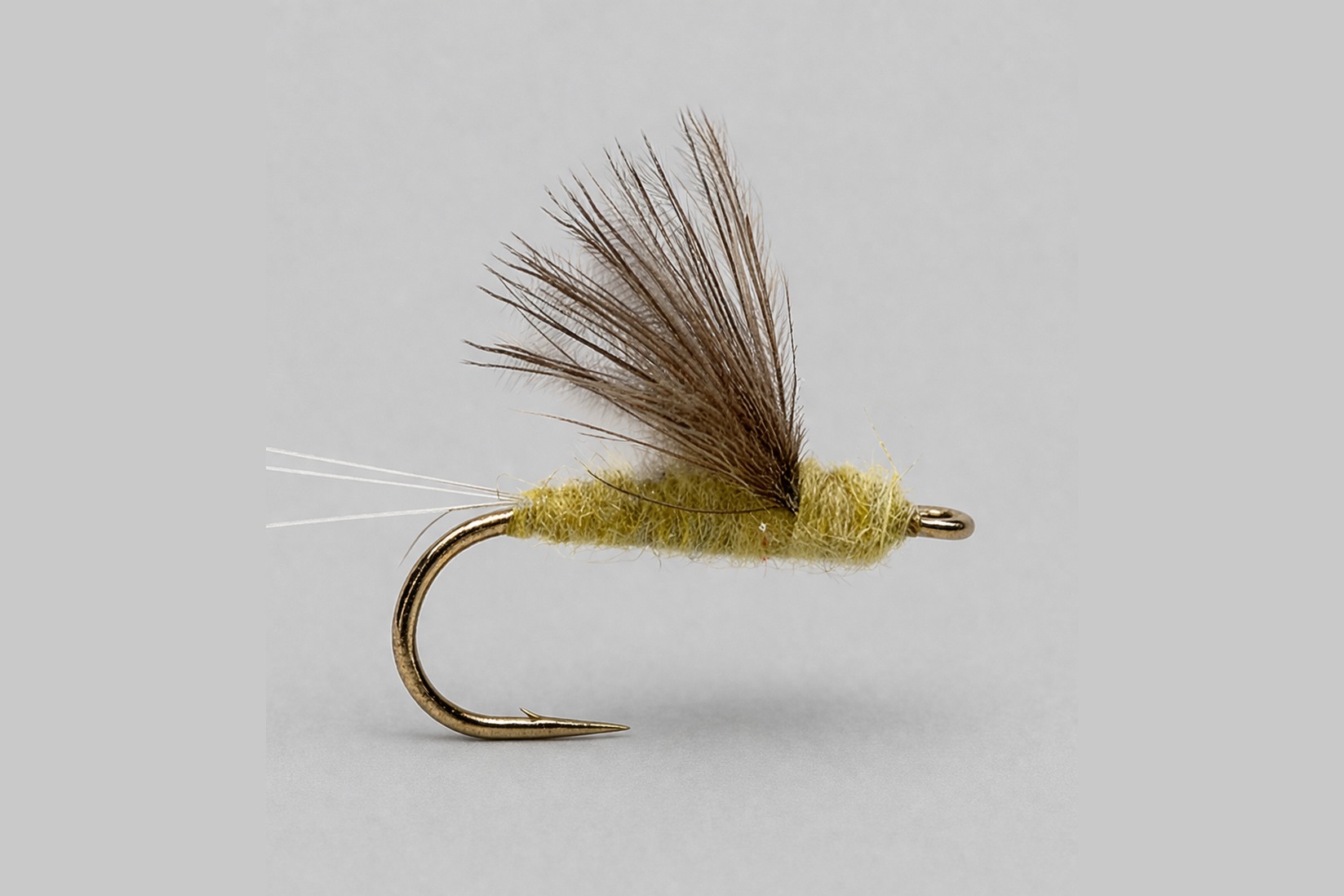
emergers
A small transition-zone pattern that bridges nymph and emerger logic.
Why it matters
It gives technical trout boxes a proven answer when fish are keyed on smaller food near the film.
When it fits
Use it when trout are focused on tiny insects and you want a fly that can live between categories.
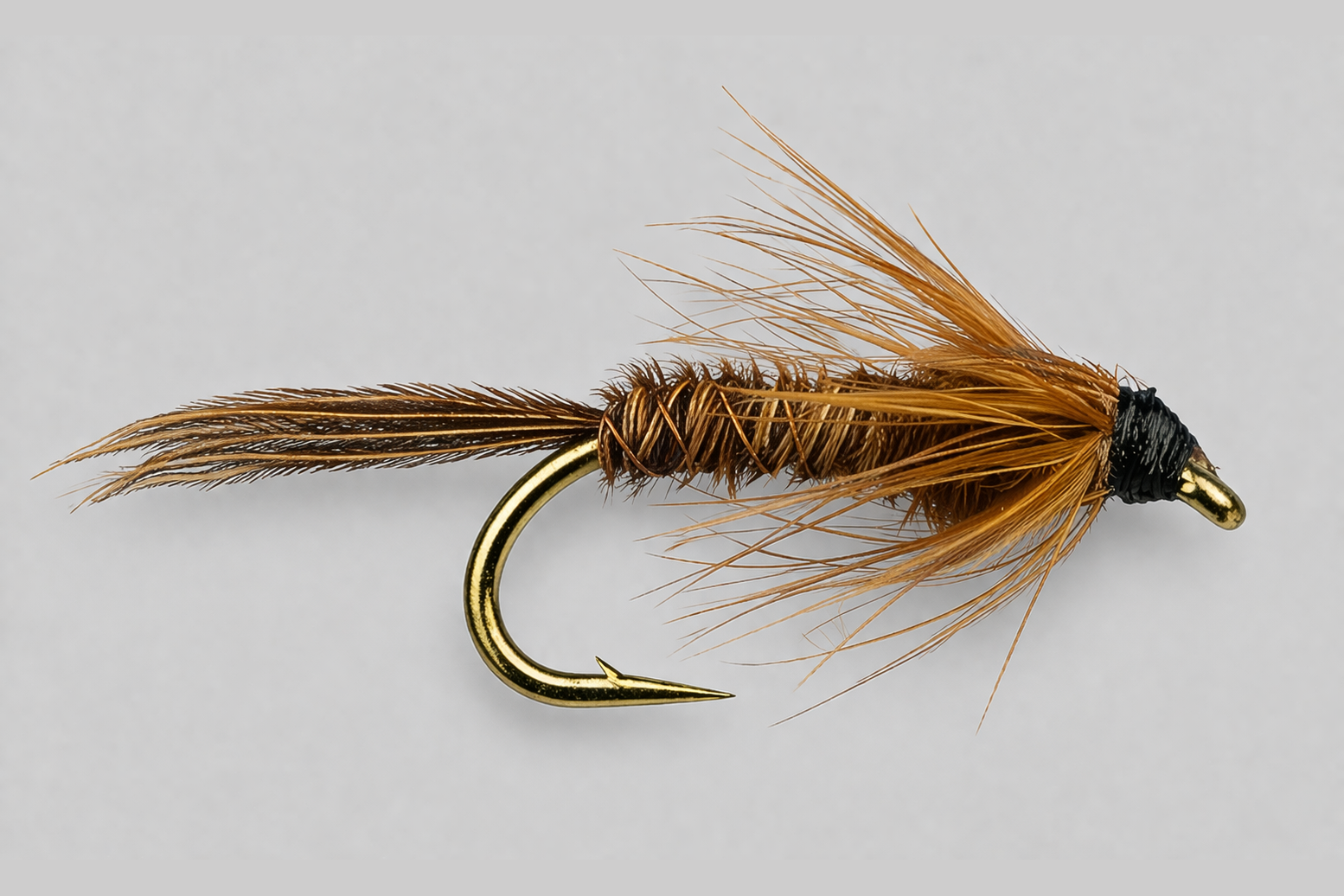
emergers
A crossover fly that links emerger usefulness with soft-hackle movement.
Why it matters
It connects two important categories and adds movement without losing a mayfly identity.
When it fits
Use it when you want a film-oriented fly with a little more life than a static emerger.
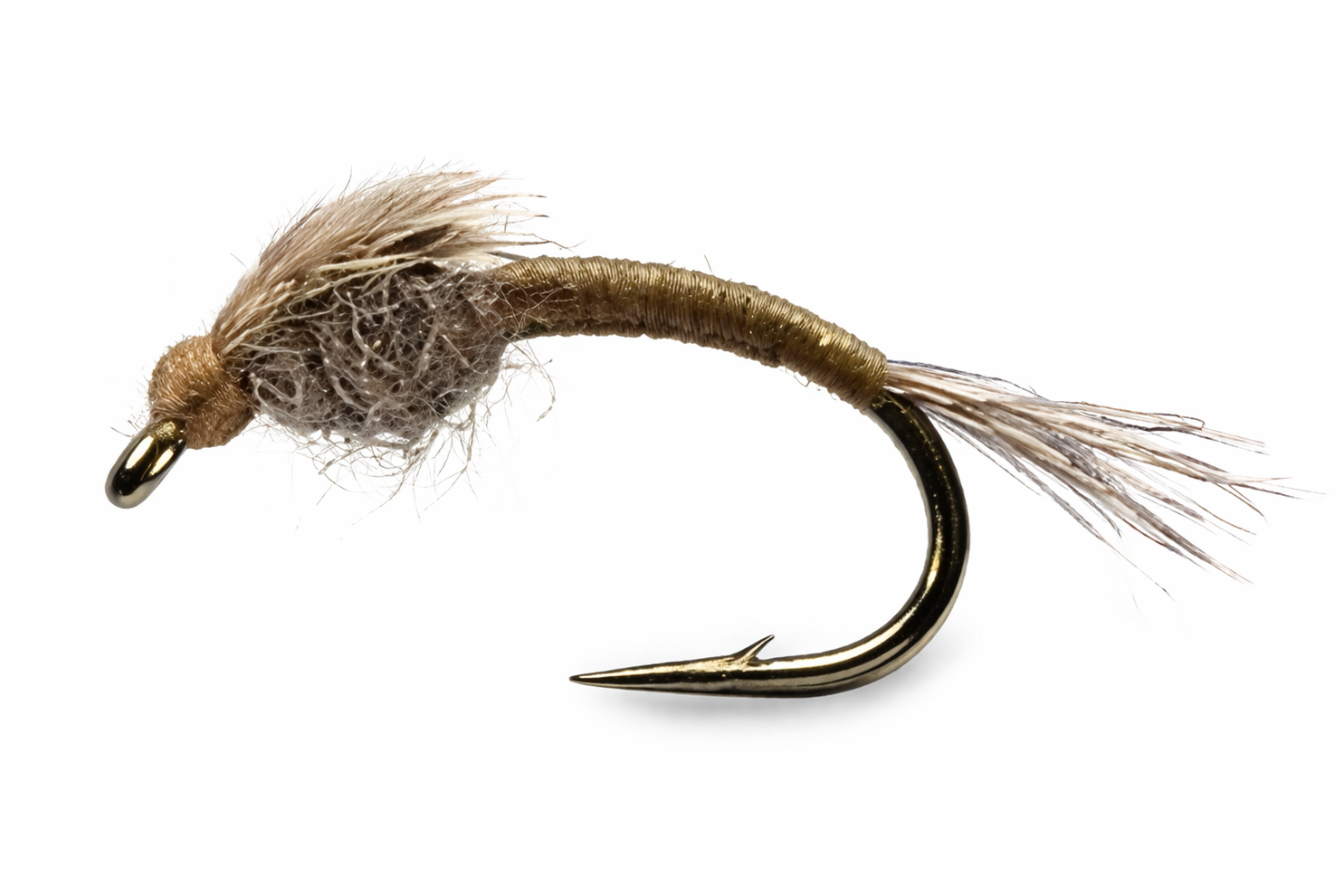
emergers
A slim emerger for smaller insects and more selective trout situations.
Why it matters
It gives the emerger row a clean technical option for midge and small mayfly coverage.
When it fits
Use it when trout are feeding on small insects near the film and restraint matters.
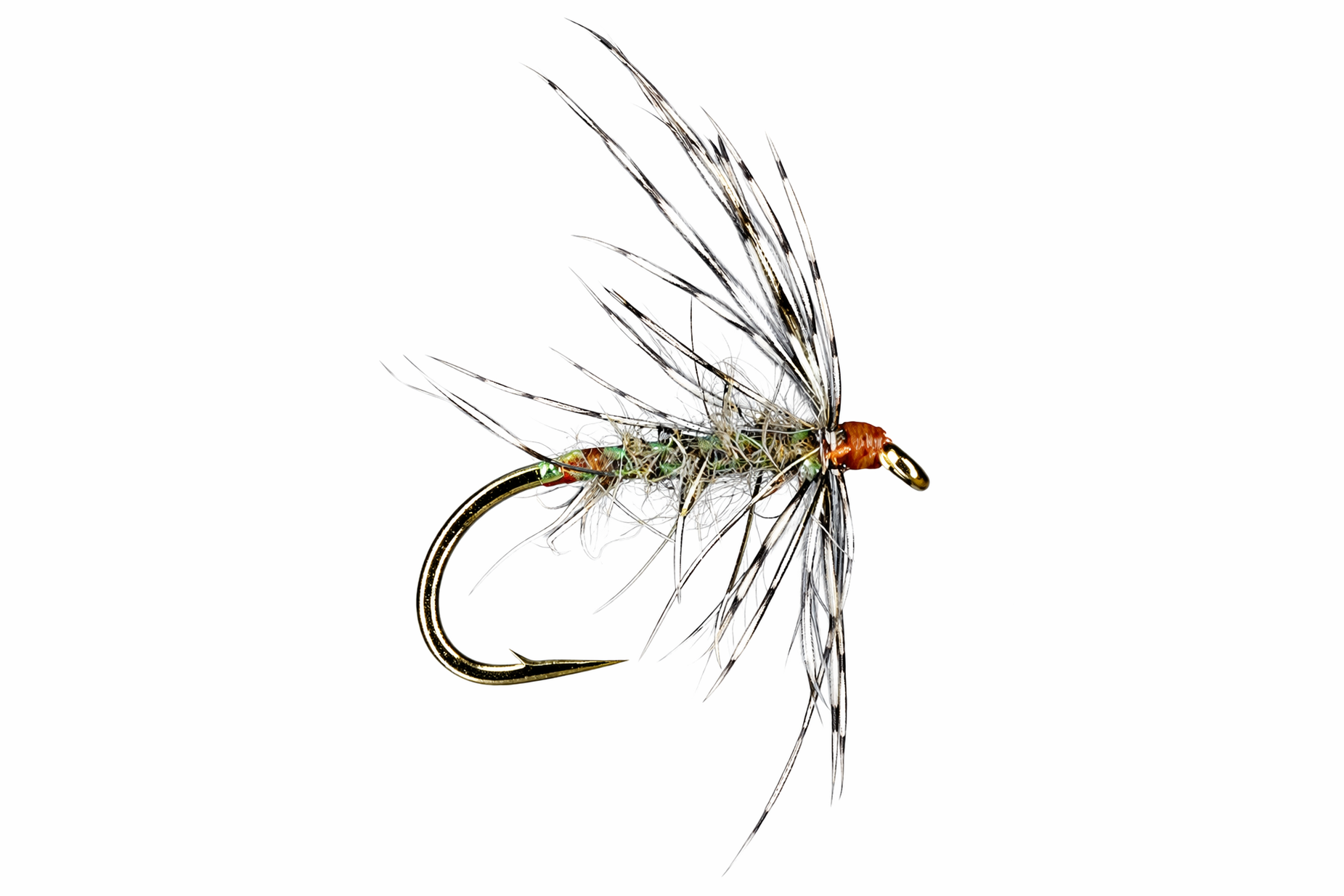
wet flies
A classic wet-fly pattern that gives the category another recognized traditional anchor.
Why it matters
It helps the wet-fly section feel like a real family of patterns instead of a single-note archive.
When it fits
Use it when you want another traditional wet-fly reference with a classic trout identity.
Guide
A practical Blue Wing Labs guide to beginner fly patterns that stay useful, understandable, and worth keeping in a first trout box.
Guide
A broad roundup of trout flies worth knowing, from classic dries and nymphs to streamers, emergers, and terrestrials.
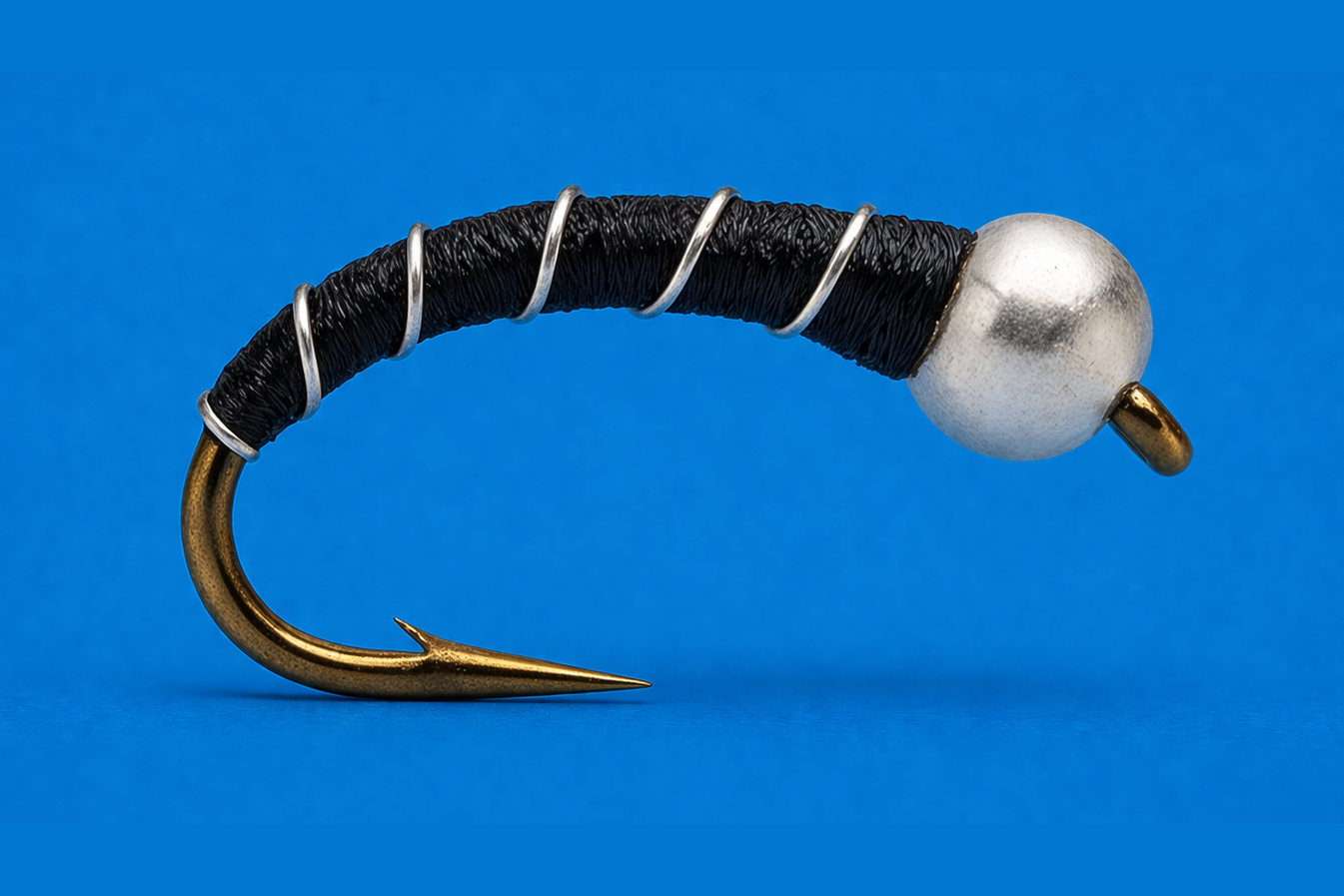
Guide
A practical guide to trout nymphs that cover slim confidence patterns, classic searching flies, and modern tactical options.
Guide
An organized guide to trout dry flies that balance hatch matching, surface confidence, visibility, and season-long usefulness.
Because trout do not always feed at only one level. Organizing the category across those stages makes the box easier to trust when conditions shift during a hatch.
A practical mayfly starter set often includes one everyday dry, one dependable nymph, and one emerger that helps bridge the film-focused gap.