Clear box role
Each fly here solves a recognizable job instead of only adding another name to memorize.
Guide
Midge boxes can become confusing fast if every pattern starts to feel interchangeable. These flies give anglers a tighter, more useful midge lineup across dries, nymphs, emergers, and tactical subsurface options.
Each fly here solves a recognizable job instead of only adding another name to memorize.
The list favors patterns anglers can return to across real sessions, not one-off novelties.
Every recommendation links to a fly page, category page, or related guide so the article behaves like a reference system.
nymphs
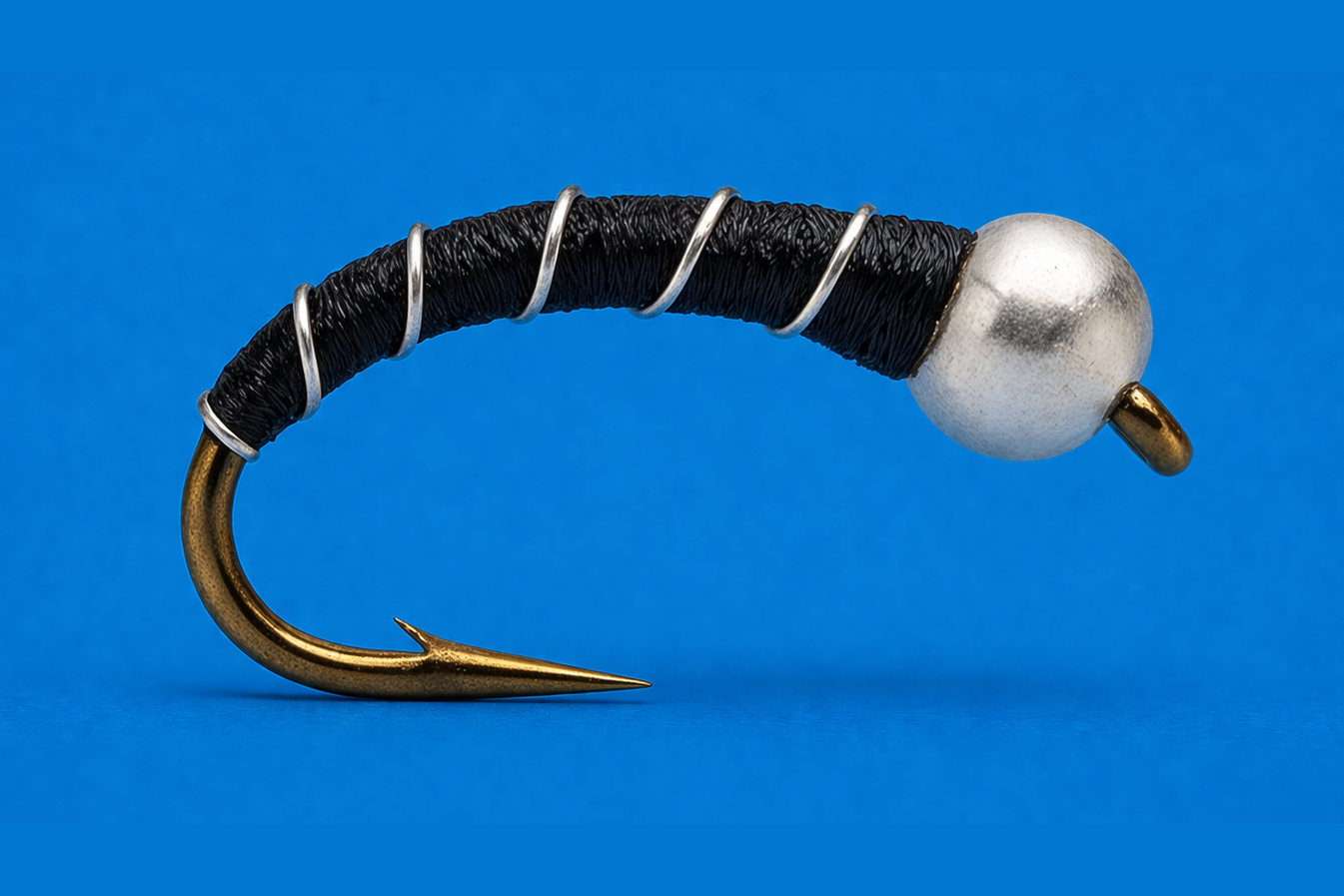
A slim midge nymph that stays useful because it is simple, compact, and easy to trust.
Why it matters
It is one of the clearest everyday examples of a small nymph earning permanent box space.
When it fits
Use it when smaller subsurface food is part of the day or when you want a clean technical nymph row.
dry flies
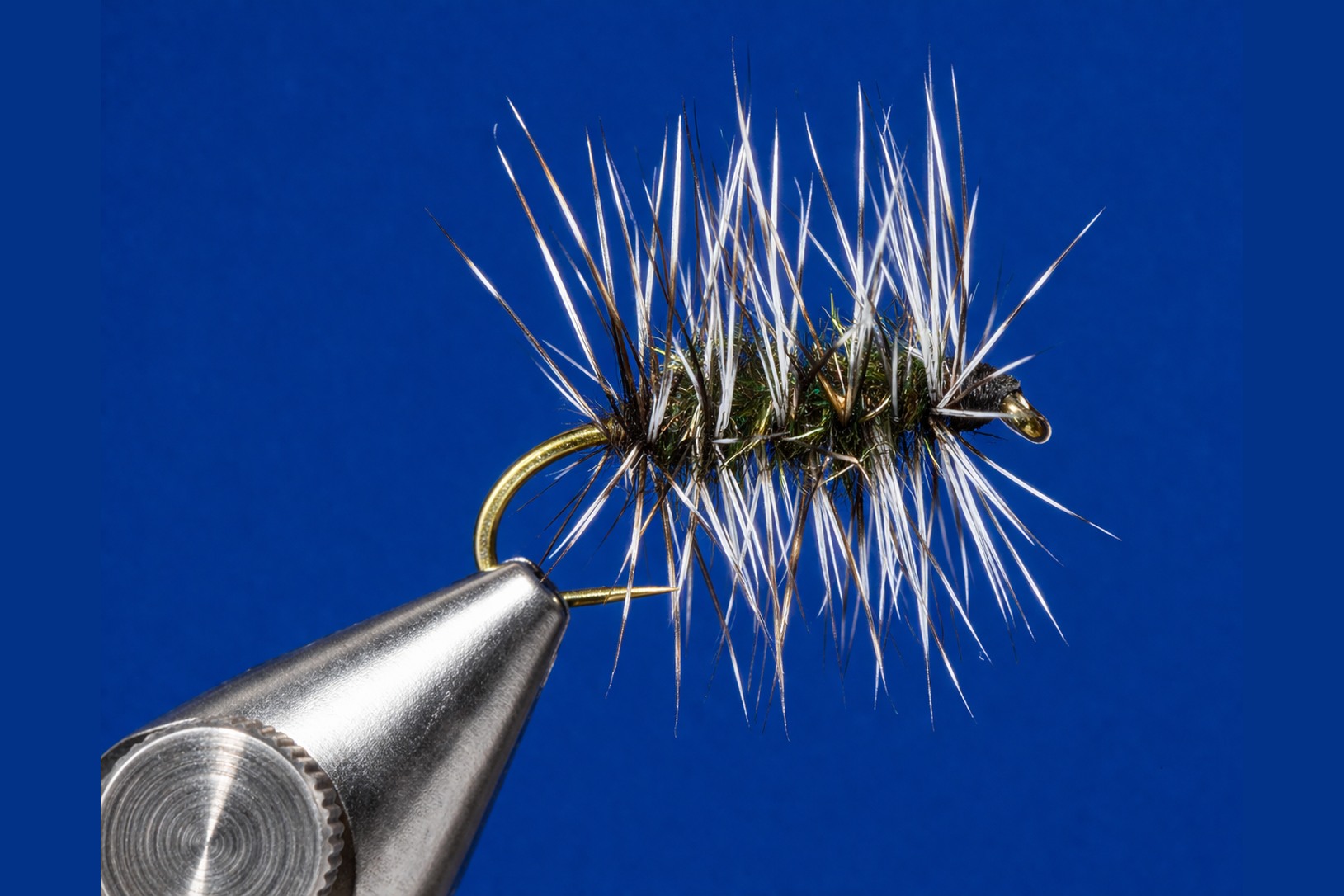
A classic midge dry that keeps small-surface coverage in the box.
Why it matters
It stops the dry-fly row from becoming only mayflies and caddis.
When it fits
Use it when trout are tuned to smaller food near the surface.
emergers
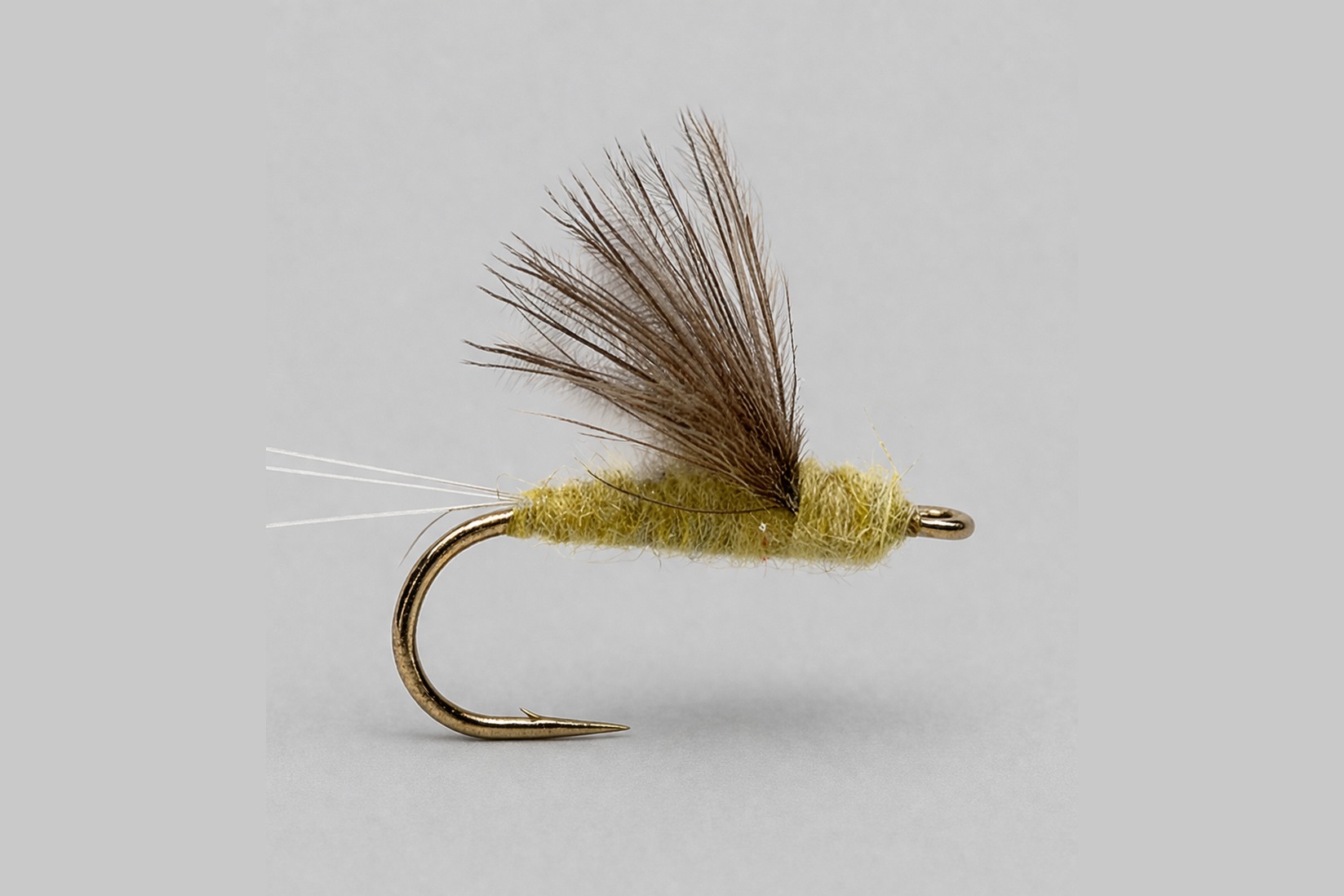
A small transition-zone pattern that bridges nymph and emerger logic.
Why it matters
It gives technical trout boxes a proven answer when fish are keyed on smaller food near the film.
When it fits
Use it when trout are focused on tiny insects and you want a fly that can live between categories.
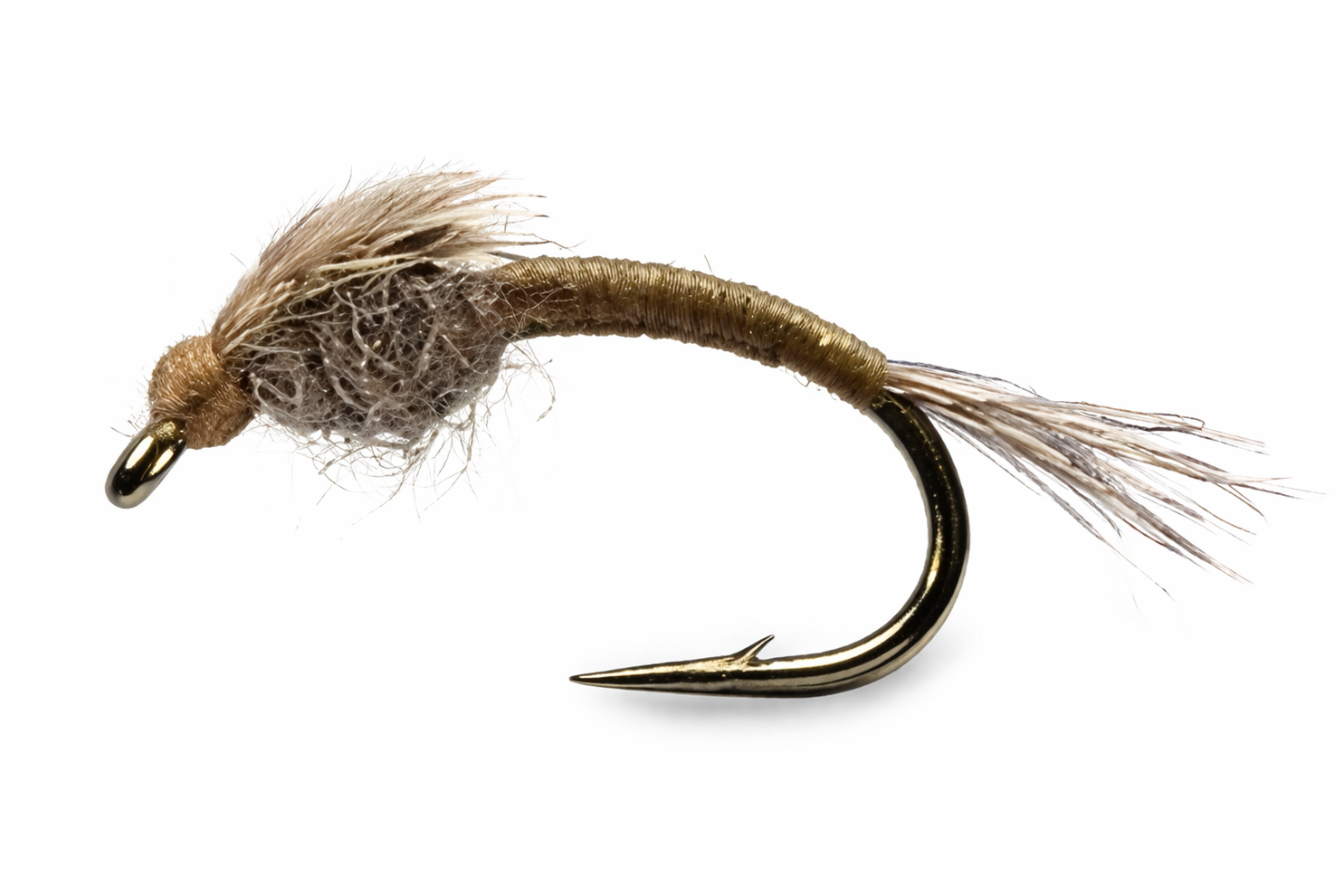
emergers
A slim emerger for smaller insects and more selective trout situations.
Why it matters
It gives the emerger row a clean technical option for midge and small mayfly coverage.
When it fits
Use it when trout are feeding on small insects near the film and restraint matters.
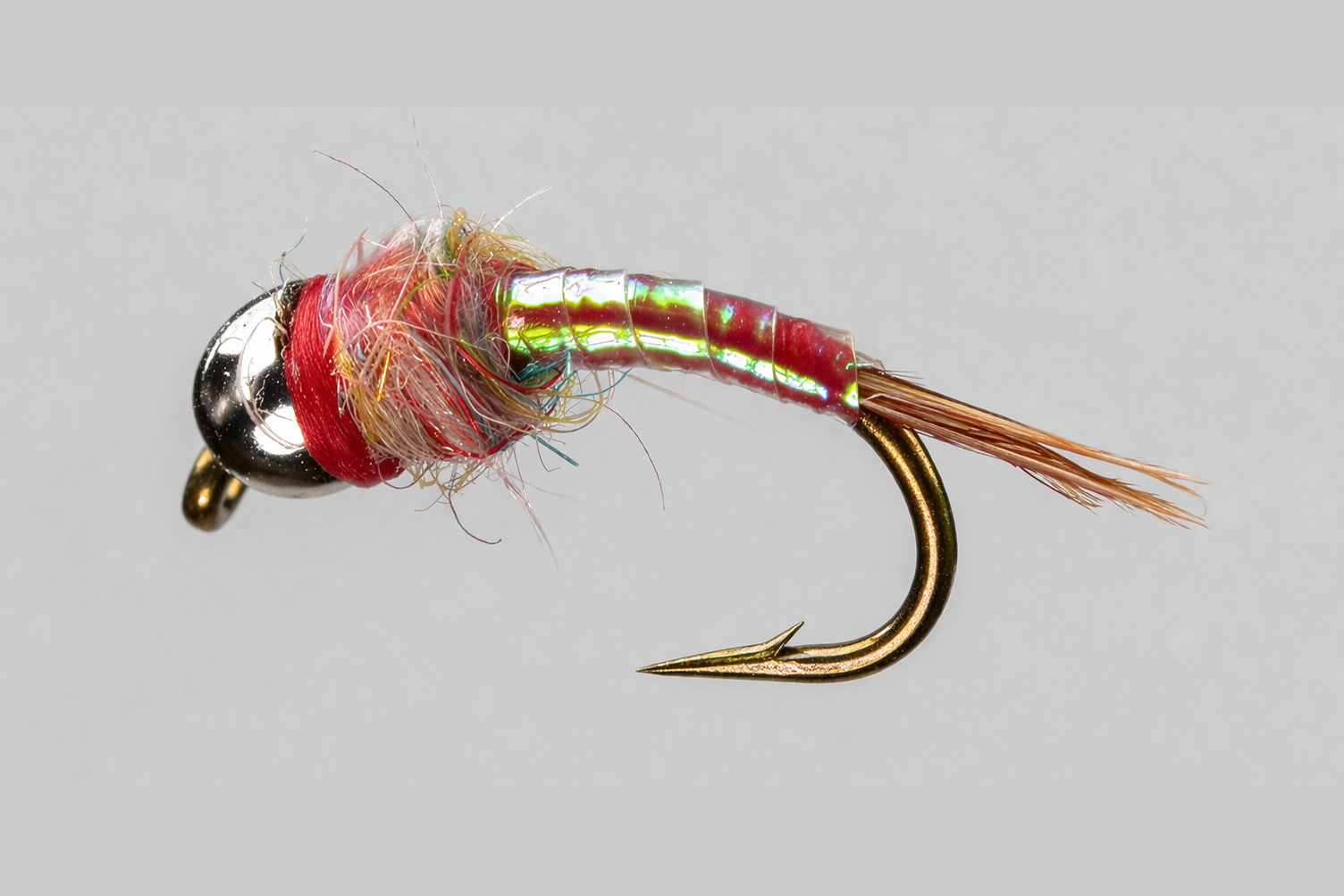
euro nymphs
An attractor-leaning euro pattern that adds brightness and contrast to the tactical row.
Why it matters
It keeps euro boxes from becoming too one-note while still fitting a clean tactical system.
When it fits
Use it when you want a euro fly with more visual separation from neutral patterns.
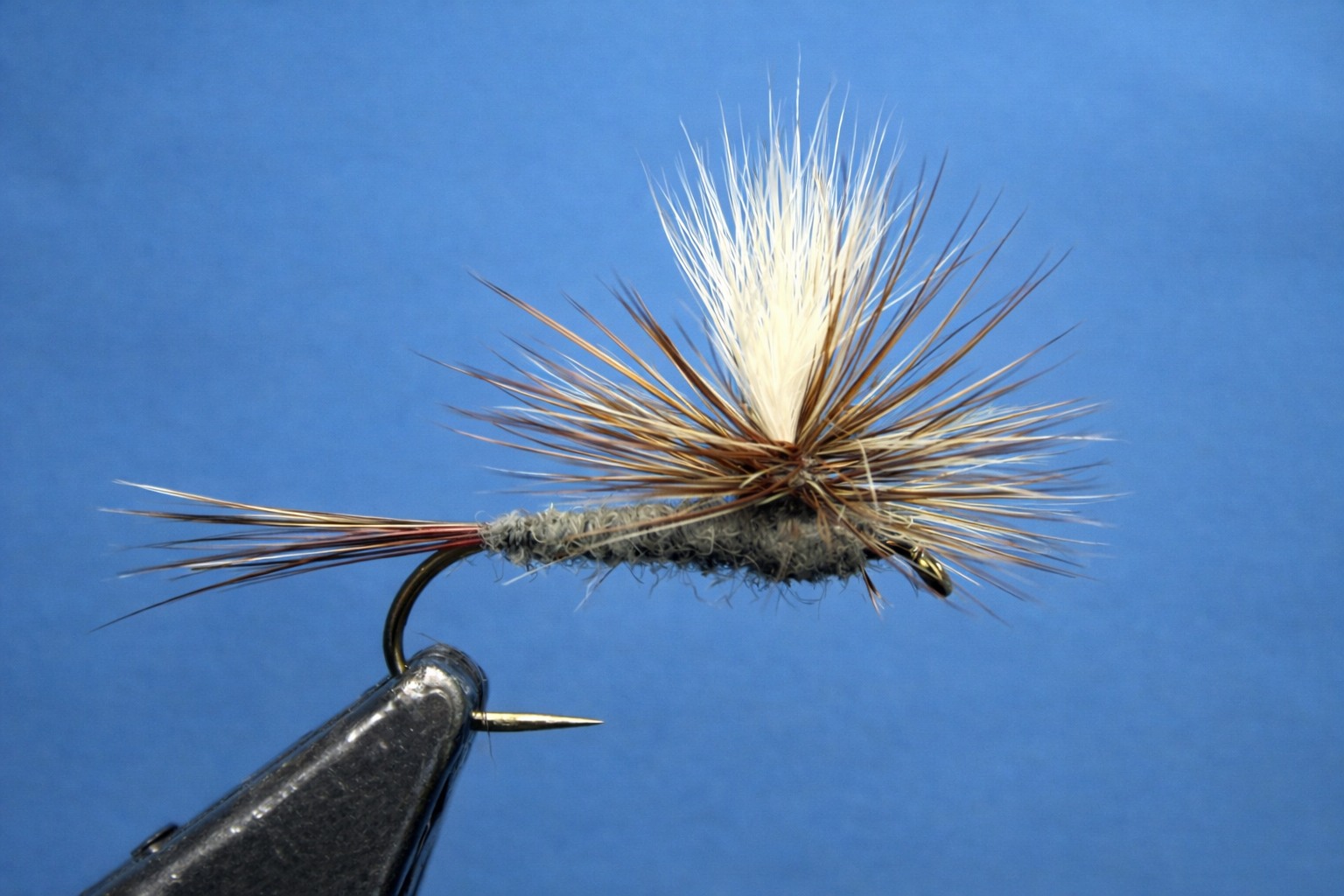
Guide
A practical Blue Wing Labs guide to beginner fly patterns that stay useful, understandable, and worth keeping in a first trout box.
Guide
A broad roundup of trout flies worth knowing, from classic dries and nymphs to streamers, emergers, and terrestrials.
Guide
A practical guide to trout nymphs that cover slim confidence patterns, classic searching flies, and modern tactical options.
Guide
An organized guide to trout dry flies that balance hatch matching, surface confidence, visibility, and season-long usefulness.
Because they often drive technical trout decisions and benefit from clean organization. Surface midges, slim nymphs, and film-oriented emergers all solve slightly different problems.
No. They are especially famous there, but a compact midge group helps anywhere smaller food sources are part of the year-round trout picture.