Why it matters
It pairs well with slimmer nymphs and helps cover general searching situations cleanly.
Fly pattern
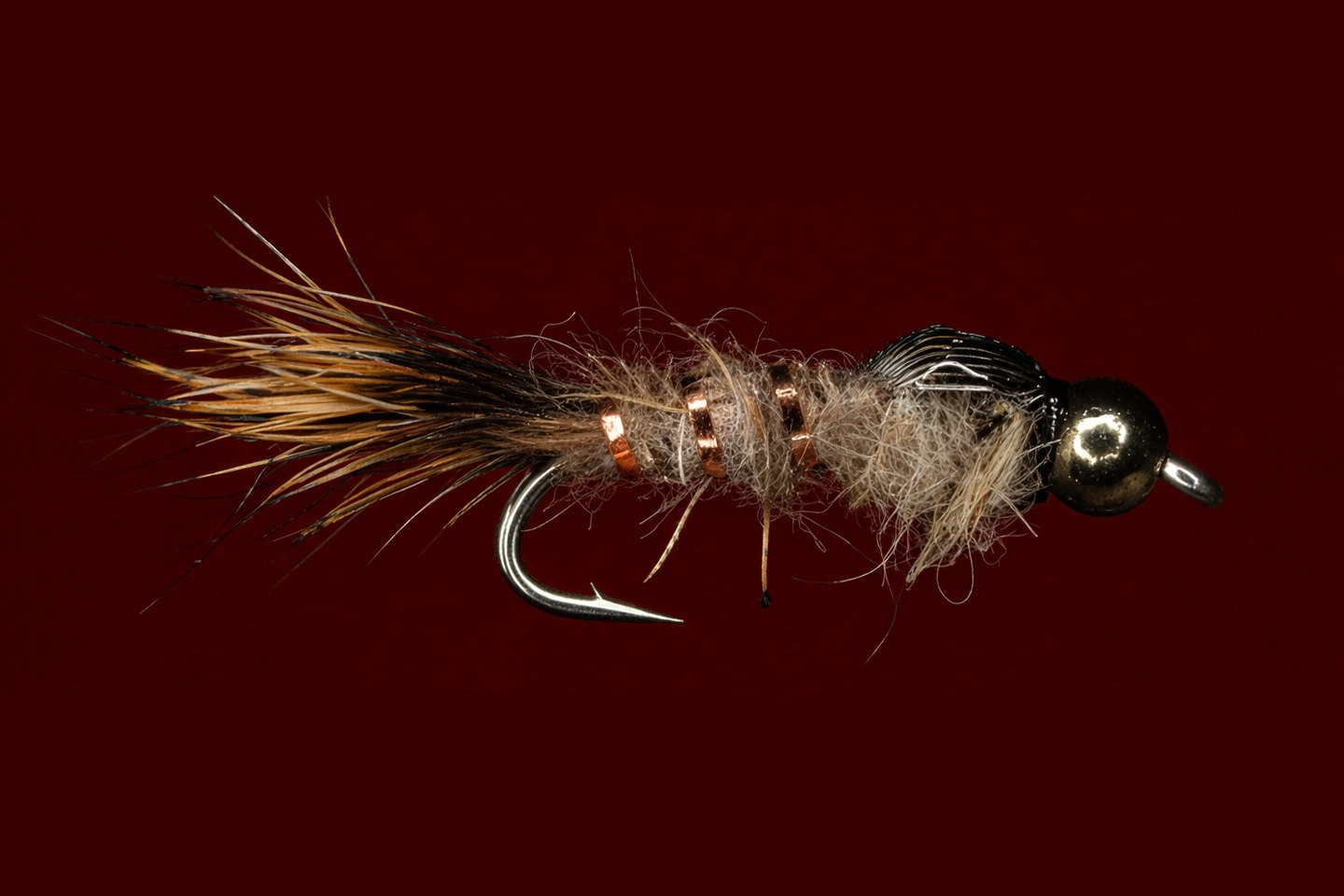
Buggy, suggestive, and versatile, this staple nymph is perfect for learning controlled dubbing and a balanced thorax.
A buggy classic with forgiving fish-catching proportions
This page is structured to stay useful as a real reference source: what the fly is, where it fits, what materials or steps are publicly available, why anglers keep it around, and where to go next in the Blue Wing Labs knowledge graph.
Why it matters
It pairs well with slimmer nymphs and helps cover general searching situations cleanly.
When to use it
Use it when you want a nymph with broad utility and classic box value.
Category
This section brings over the same recipe-shape context the app uses: hook guidance, core material logic, substitutions, and tying-sequence checkpoints.
Hook
#12-16 • The canonical app recipe follows a classic Gold Ribbed Hare’s Ear profile.
Core materials
hare's mask guard hairs and dubbing, oval gold tinsel or fine gold wire, optional mottled wing case
Substitutions
Gold bead for a beadhead version, Gray feather fibers or mottled turkey for the wing case
Sequence
Form a short guard-hair tail, Tie in ribbing at the bend, Dub a sparse, buggy abdomen, Wrap the rib to secure the body, Add a fuller thorax and optional wing case before finishing
This section keeps the explanation practical and source-backed, using the structured library data plus broad category context without inventing unsupported technical detail.
Overview
Buggy, suggestive, and versatile, this staple nymph is perfect for learning controlled dubbing and a balanced thorax.
Context
Hare's Ear Nymph sits in the nymphs section of the Blue Wing Labs public library, where it helps anglers compare related patterns without losing track of the bigger category. An all-purpose searching nymph that keeps the trout box broad without becoming confusing.
Context
A buggy classic with forgiving fish-catching proportions. In practical terms, it supports everyday subsurface trout coverage while staying easy to place inside a more organized fly box.
Context
Blue Wing Labs frames this pattern around a few repeatable checkpoints: How to dub a textured body without letting the fly get bulky; How to use a simple rib and thorax to make the pattern more durable and alive.
Context
Because Hare's Ear Nymph is also treated as a classic pattern in the library, it works as both a fishing fly and a reference point for understanding how this category is supposed to look and behave.
The public site only states broad usage windows, but those windows still help anglers keep the fly in the right part of the mental and physical box.
Use it when you want a nymph with broad utility and classic box value.
When you need a searching nymph that still looks alive and edible.
Pocket water and mixed trout streams where fish reward a suggestive profile.
At the category level, nymphs shine in runs, seams, colder conditions, and any session where trout are feeding below the surface.
Blue Wing Labs tags it as a year-round pattern, which makes it a useful anchor when you want fewer flies that stay relevant longer.
These points focus on the fly's role, visibility, versatility, and category logic rather than overly specific claims the public dataset does not support.
Fishing condition insight
Pocket water and mixed trout streams where fish reward a suggestive profile.
Imitates
A buggy range of mayfly and caddis nymphs rather than one exact insect.
Where it excels
Pocket water and mixed trout streams where fish reward a suggestive profile.
Common mistakes
Overdubbing the body until it loses its slim buggy shape.
When the app includes a lesson video, the public page links to it directly so anglers can move from reference reading into step-by-step watching.

Blue Wing Labs lesson
Open the linked lesson to compare the public recipe, the tying sequence, and the app's guided teaching flow for Hare's Ear Nymph.
Watch the video lessonThese materials come from the app-backed fly record when available, which lets the public page mirror the practical tying list more closely.
Material readiness
Lay out the core nymphs materials before starting so the fly stays balanced and the sequence feels calmer once the vise is loaded.
Material
Standard nymph hook
Size 12-16
Material
Brown or tan thread
8/0 or 70D
Material
Hare's mask guard hairs and dubbing
Tail plus buggy body and thorax blend
Material
Oval gold tinsel or fine gold wire
Rib over the dubbed abdomen
Material
Mottled turkey tail or gray wing-case fibers
Optional wing case
Material
Gold bead
Optional beadhead version
The website now uses the app-backed step list where available so the public page follows a fuller tying sequence instead of only a short summary.
Common tying mistake
Overdubbing the body until it loses its slim buggy shape.
Step 1
Start the brown or tan thread behind the eye and wrap a smooth base back to the bend.
Step 2
Tie in a short tail of hare’s mask guard hairs so the rear profile stays compact and buggy.
Step 3
Catch in the oval gold tinsel or fine gold wire at the bend and bind it down along the shank.
Step 4
Apply sparse pinches of hare’s mask dubbing and build a tapered abdomen that stays suggestive rather than bulky.
Step 5
Refine the dubbed body with additional small pinches only where needed so the taper stays natural.
Step 6
Wrap the rib forward in even open turns to secure the abdomen and add the classic segmented look.
Step 7
Tie in a mottled turkey-tail or gray-fiber wing case if you want the more traditional finished profile.
Step 8
Dub a slightly fuller thorax in front of the abdomen, letting a few rough fibers remain for life.
Step 9
Fold the wing case over the thorax if used and secure it with just enough thread to keep the front of the fly compact.
Step 10
Whip finish neatly and tease a few thorax fibers free so the finished Hare’s Ear keeps its buggy searching look.
The public fly library does not invent named variations where the source data is thin. Instead, it connects this pattern to nearby flies so anglers can see the surrounding shape of the category.
Comparison note
Hare's Ear Nymph also carries app recipe notes around common variants, and it connects the pattern to nearby flies like Parachute Adams, Elk Hair Caddis, and Pheasant Tail Nymph. Those comparisons help anglers understand how the fly sits inside nymphs without inventing unsupported detail.
Variant note
Beadhead Hare’s Ear versions are widely used as searching nymphs Some tyers tease the thorax heavily to increase the buggy silhouette
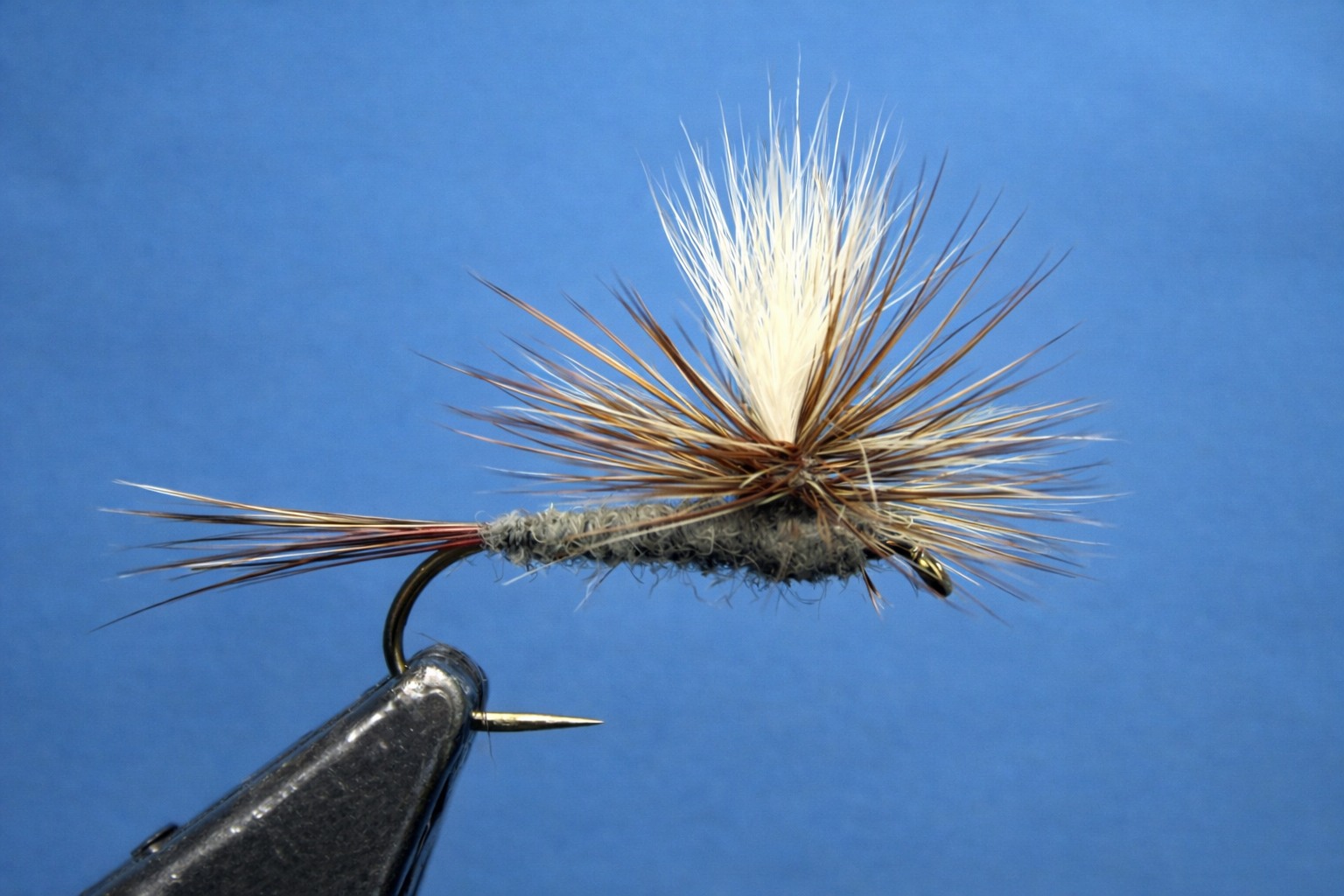
dry flies
A visible attractor dry that remains one of the easiest all-around trout patterns to keep in a box.
Why it matters
It is a benchmark confidence fly that helps anglers cover a lot of water without overthinking the surface game.
When it fits
Use it when you want a dependable dry that feels broad, visible, and easy to fish with confidence.
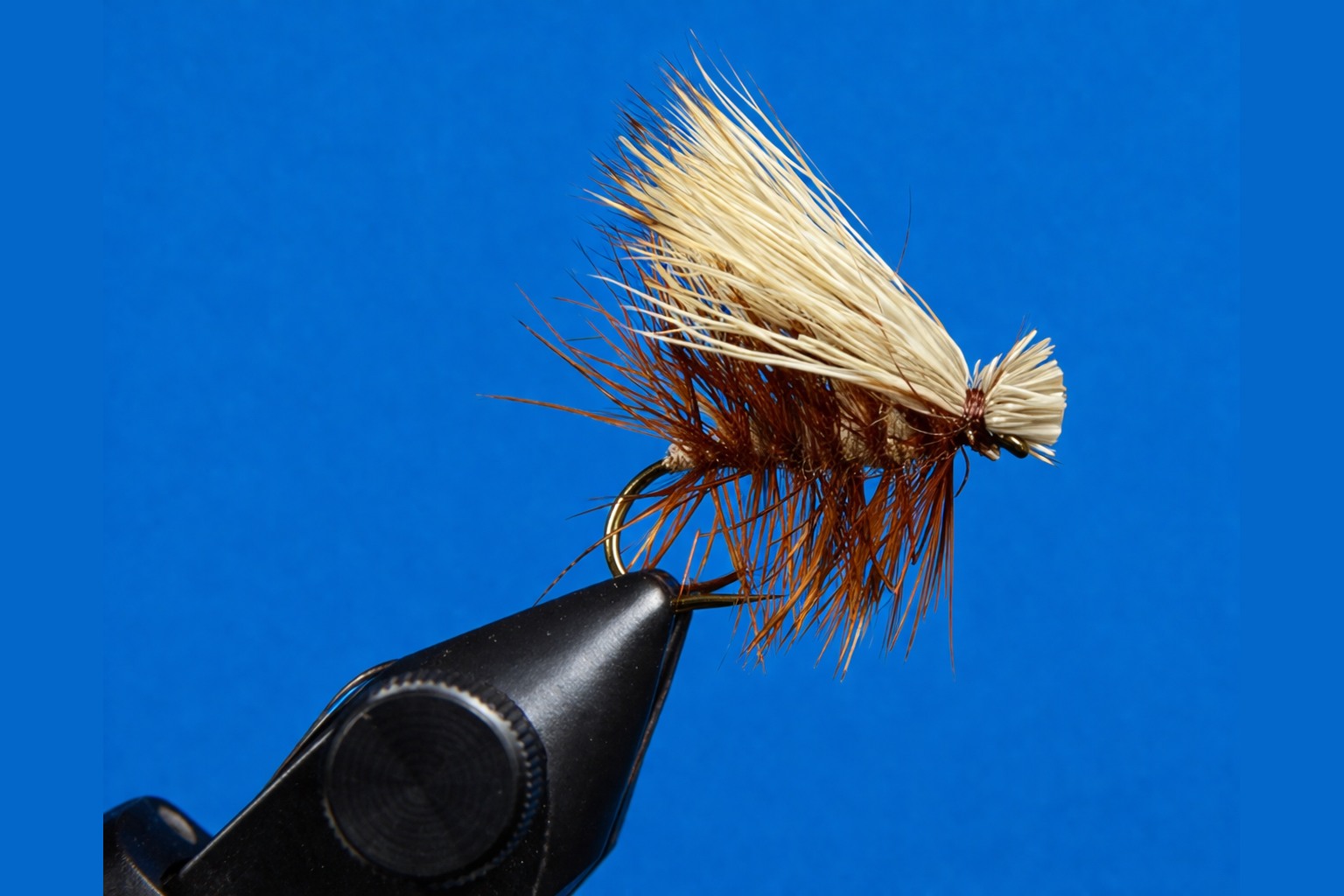
dry flies
A practical caddis dry that stays visible, buoyant, and easy to keep in rotation.
Why it matters
It gives the box a simple caddis anchor that still feels useful across a wide range of trout water.
When it fits
Use it when caddis are in the conversation or when you want a visible, fishable dry that is easy to read.
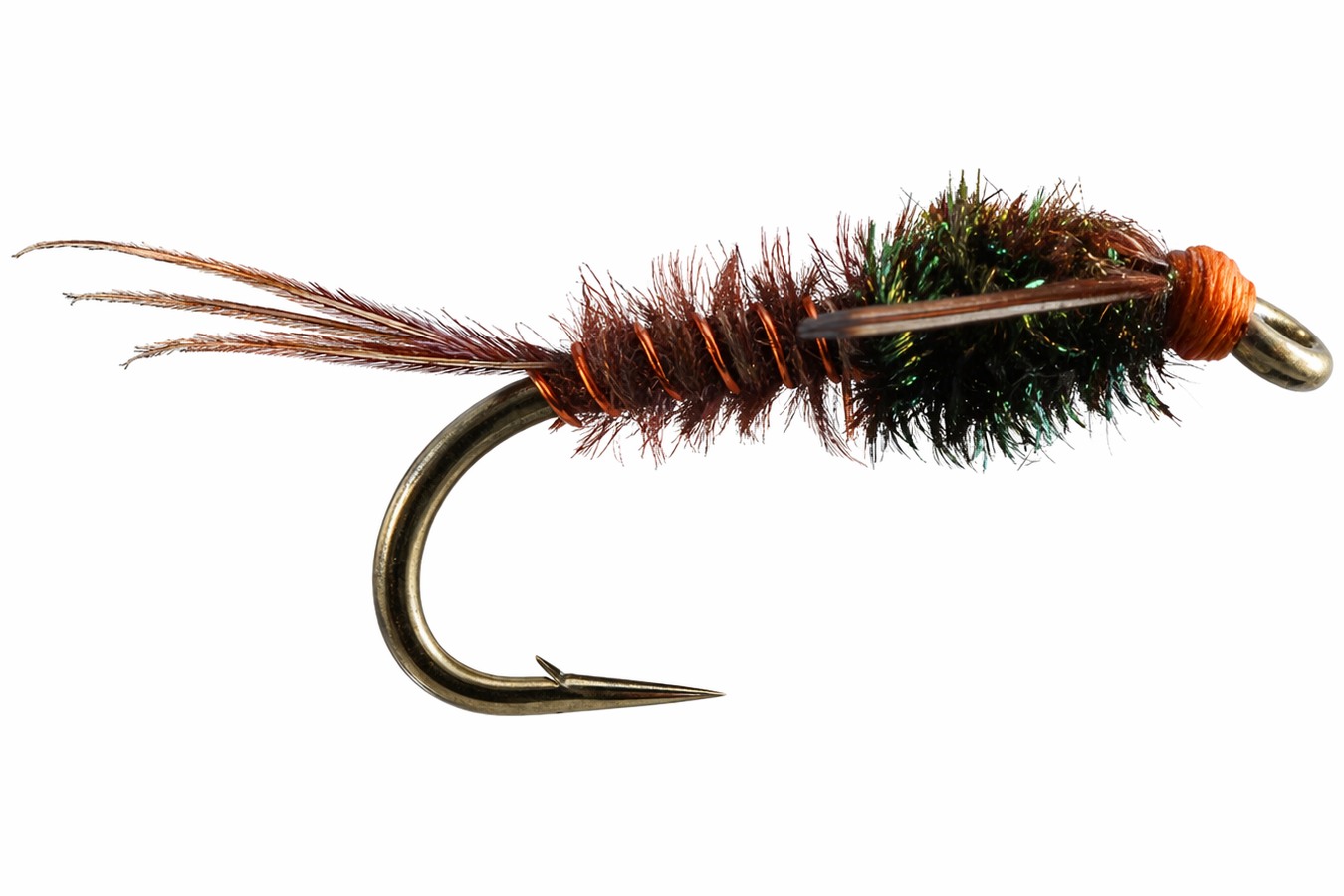
nymphs
A classic mayfly nymph that belongs in almost every organized trout library.
Why it matters
It teaches category logic while still covering real day-to-day trout fishing.
When it fits
Use it when you want a dependable mayfly-leaning nymph that never feels out of place.
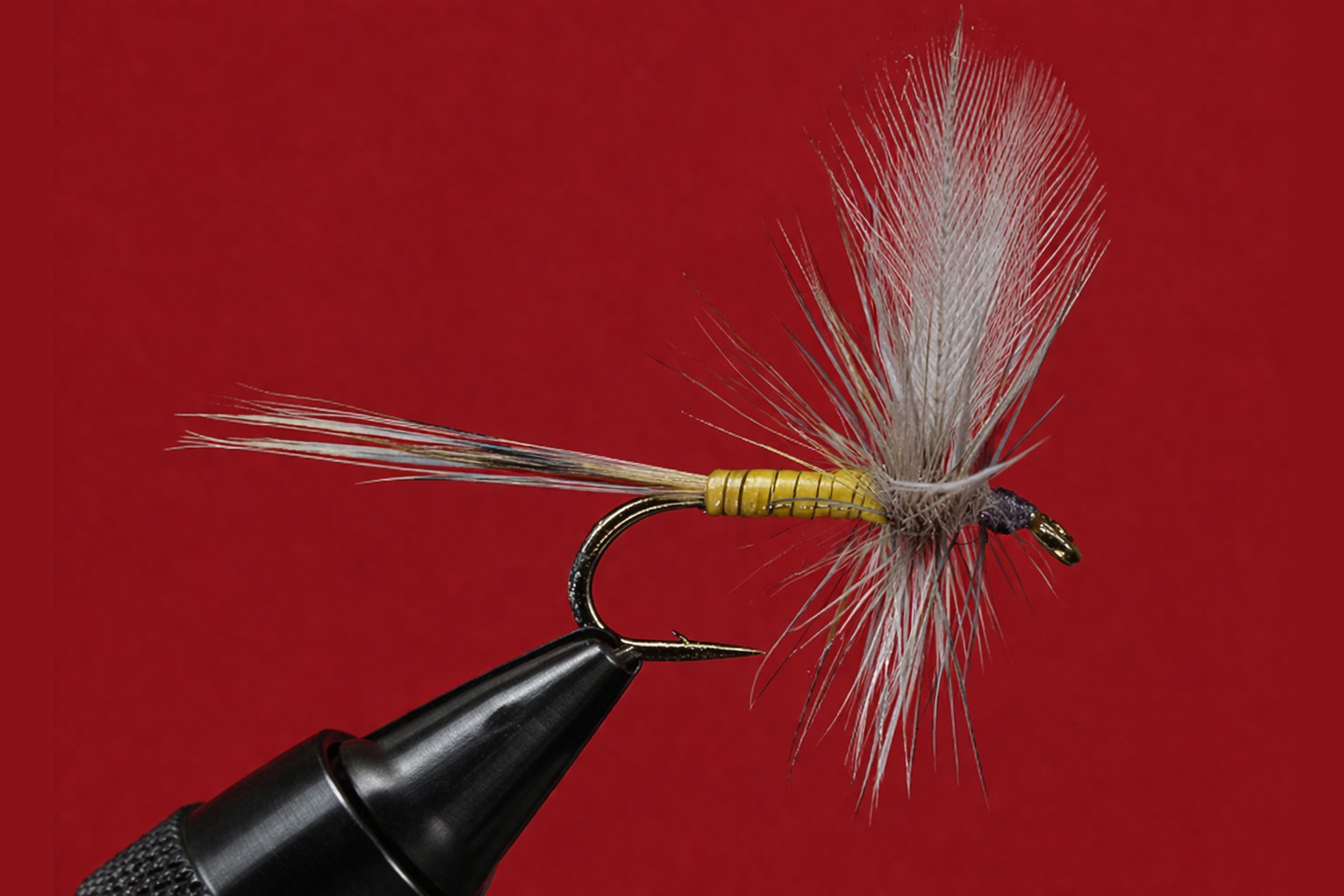
dry flies
A slim mayfly dry that gives trout boxes a reliable small-profile surface option.
Why it matters
It gives the library a clean mayfly anchor that stays easy to trust and easy to organize.
When it fits
Use it when trout are feeding near the surface and a smaller mayfly look belongs in the mix.
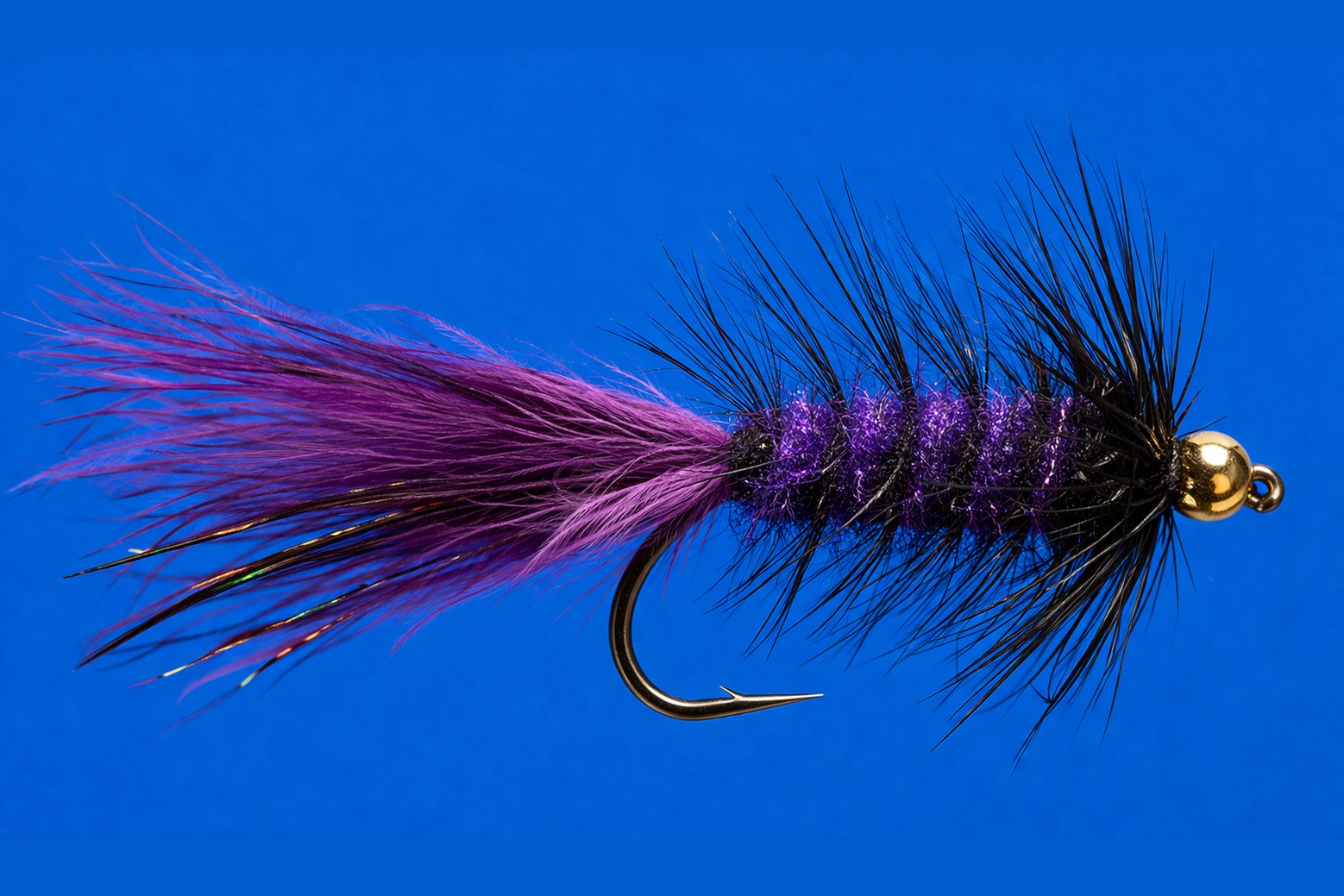
streamers
A classic streamer that covers a huge amount of practical fishing with very little extra explanation.
Why it matters
Few flies are as useful for both beginner tying and long-term fly-box value.
When it fits
Use it when you want a first-stop streamer that can prospect and cover water almost anywhere.
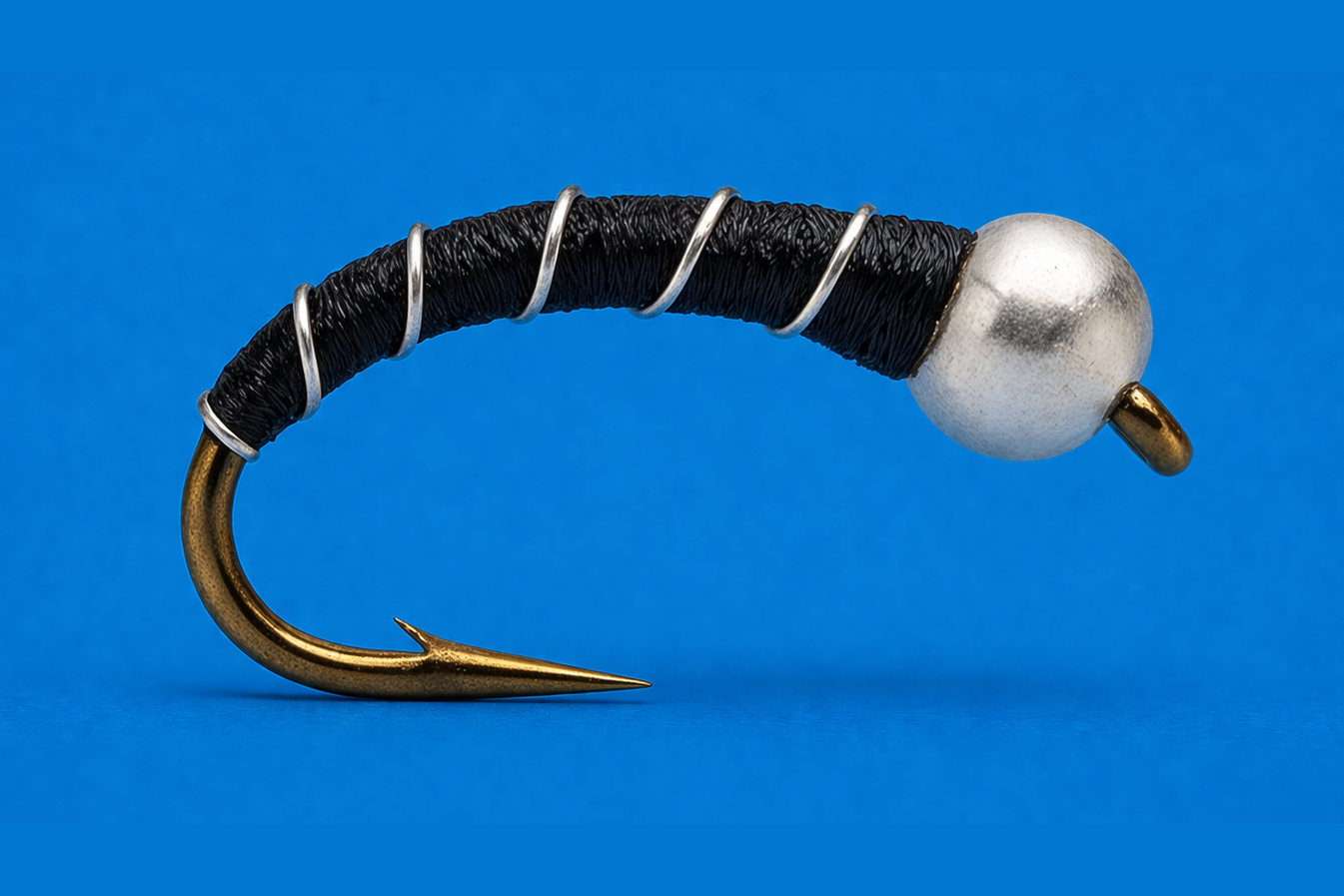
nymphs
A slim midge nymph that stays useful because it is simple, compact, and easy to trust.
Why it matters
It is one of the clearest everyday examples of a small nymph earning permanent box space.
When it fits
Use it when smaller subsurface food is part of the day or when you want a clean technical nymph row.
These guides connect the pattern back into broader beginner, trout, seasonal, and category-level decisions.
Guide
A practical Blue Wing Labs guide to beginner fly patterns that stay useful, understandable, and worth keeping in a first trout box.
Guide
A broad roundup of trout flies worth knowing, from classic dries and nymphs to streamers, emergers, and terrestrials.
Guide
A practical guide to trout nymphs that cover slim confidence patterns, classic searching flies, and modern tactical options.
Guide
A guide to versatile fly patterns that keep earning box space because they stay useful across seasons, water types, and trout situations.
Guide
A guide to classic fly patterns every angler should recognize, organize, and understand before the box gets too modern or too crowded.
Guide
A practical fly-box stocking guide built around coverage, category balance, and patterns that earn their place over time.
Hare's Ear Nymph is grouped under nymphs in the Blue Wing Labs knowledge hub so anglers can compare it with related patterns and broader category guidance.
Use it when you want a nymph with broad utility and classic box value.
Yes. Hare's Ear Nymph is marked as beginner-friendly in the public library, which means it is one of the clearer patterns to learn, organize, and return to later.
It pairs well with slimmer nymphs and helps cover general searching situations cleanly.
Overdubbing the body until it loses its slim buggy shape.