Guide
Top Mayfly Patterns
A structured mayfly-pattern guide covering dries, nymphs, and emergers that belong in a well-organized trout box.
Fly category
Wet flies stay relevant because they remain simple, mobile, and dependable. Blue Wing Labs groups them into a cleaner reference category so anglers can keep classic soft hackles and traditional wets together without losing track of where each pattern fits.
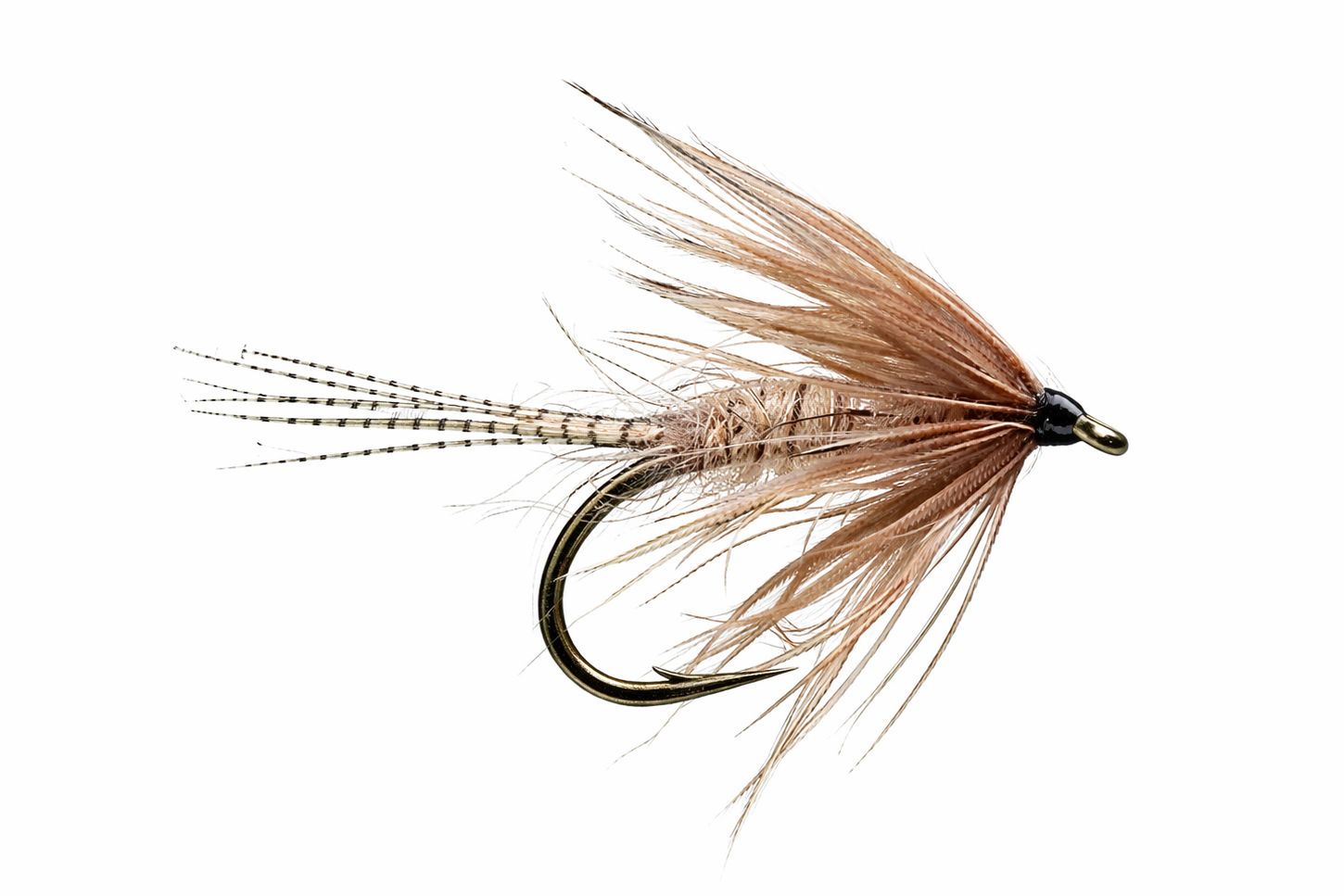
wet flies
A soft-hackle wet that brings classic movement into a familiar nymph-adjacent shape.
Why it matters
It helps wet-fly anglers keep one foot in classic movement and one in practical all-around trout use.
When it fits
Use it when you want a subtle moving wet that still feels familiar and approachable.
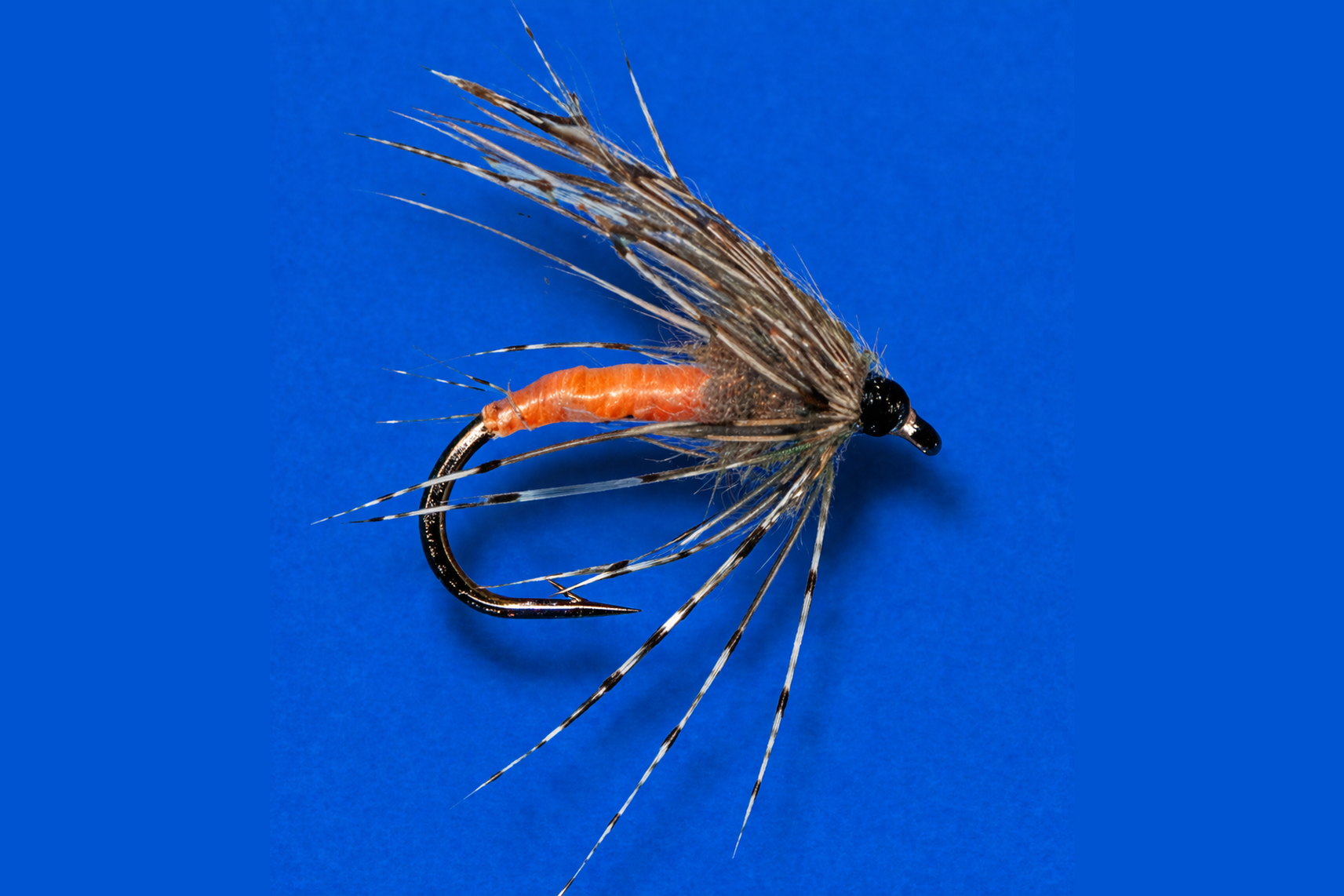
wet flies
A classic soft hackle that proves useful wet flies do not need much clutter.
Why it matters
It gives the wet-fly category a foundational pattern that is simple, elegant, and easy to revisit.
When it fits
Use it when you want a soft-hackle benchmark that keeps the category grounded.
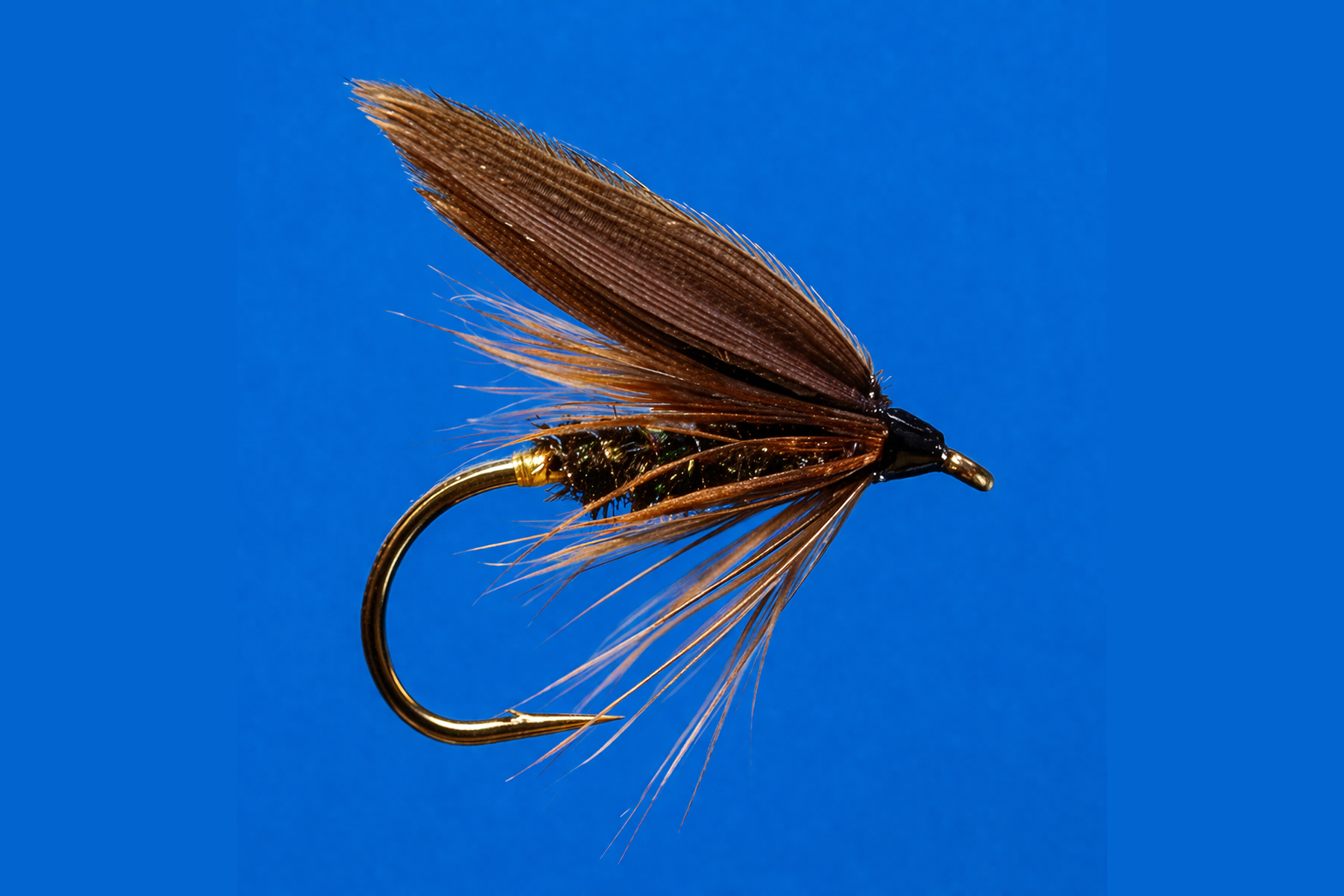
wet flies
A traditional winged wet that adds historical depth and a distinct classic silhouette.
Why it matters
It broadens wet-fly knowledge beyond only soft hackles and keeps classic pattern literacy visible.
When it fits
Use it when you want a more traditional wet in the box or in the knowledge hub.
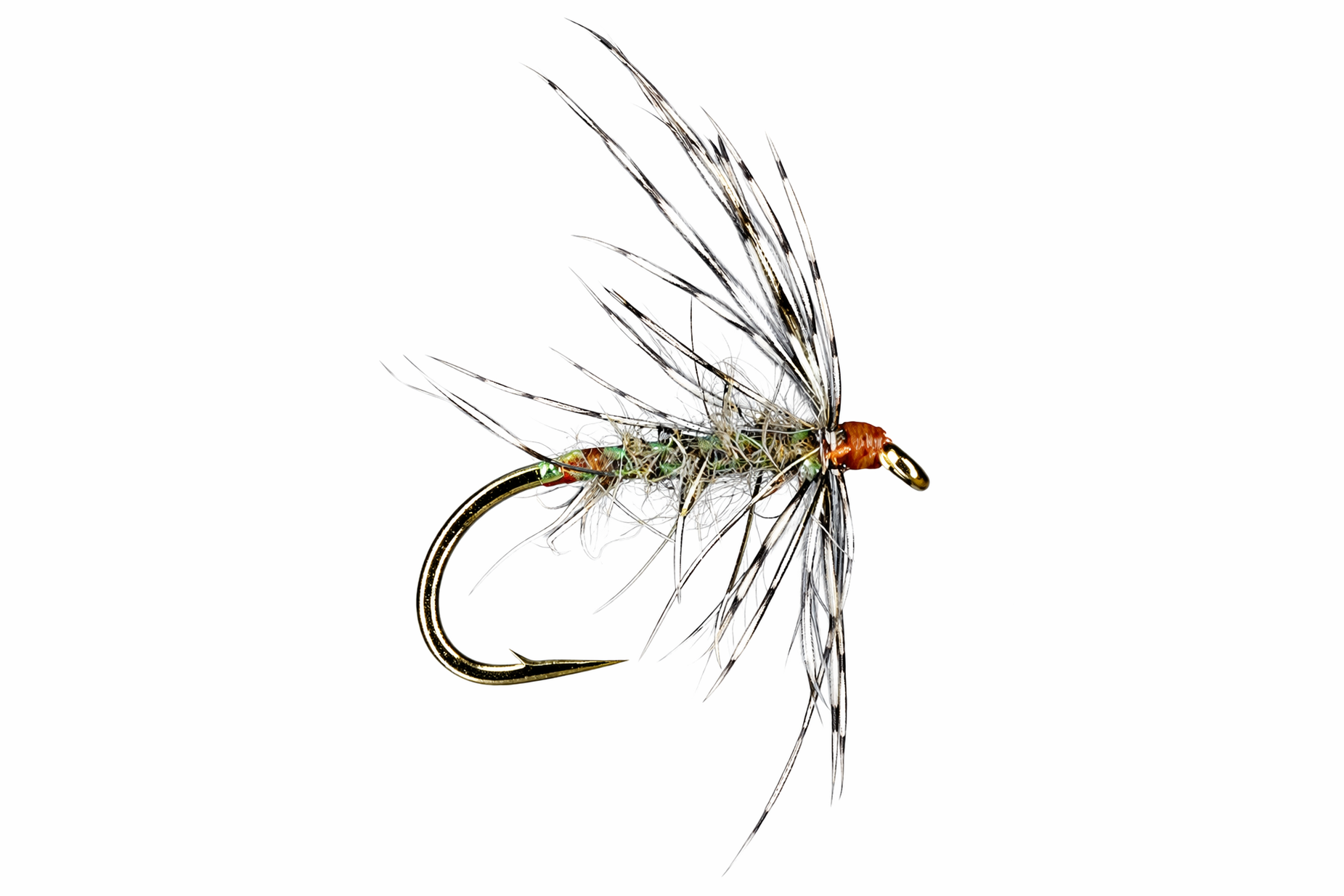
wet flies
A classic wet-fly pattern that gives the category another recognized traditional anchor.
Why it matters
It helps the wet-fly section feel like a real family of patterns instead of a single-note archive.
When it fits
Use it when you want another traditional wet-fly reference with a classic trout identity.
Guide
A structured mayfly-pattern guide covering dries, nymphs, and emergers that belong in a well-organized trout box.
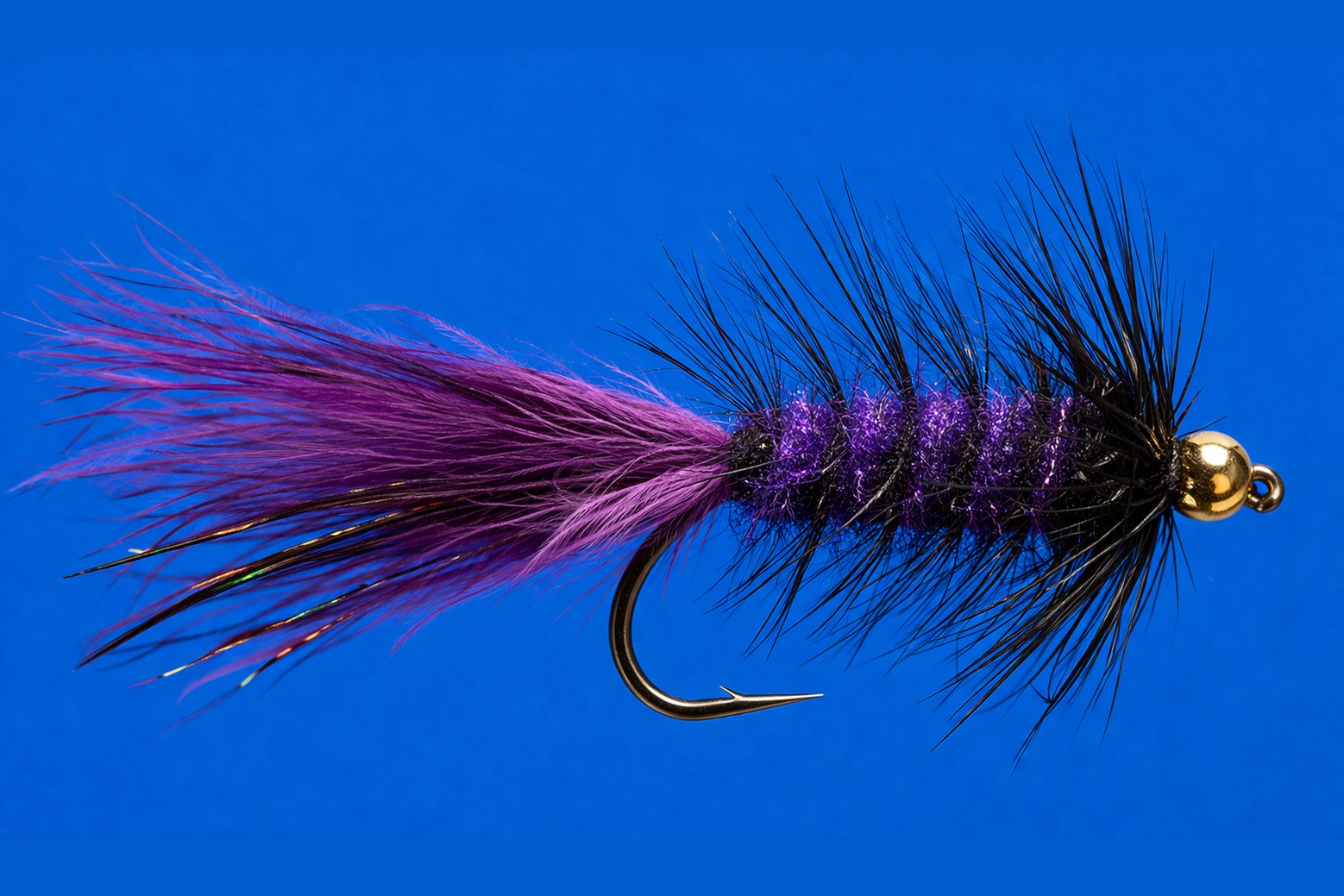
Guide
A useful list of easy fly patterns that still deserve long-term box space instead of being beginner-only throwaways.
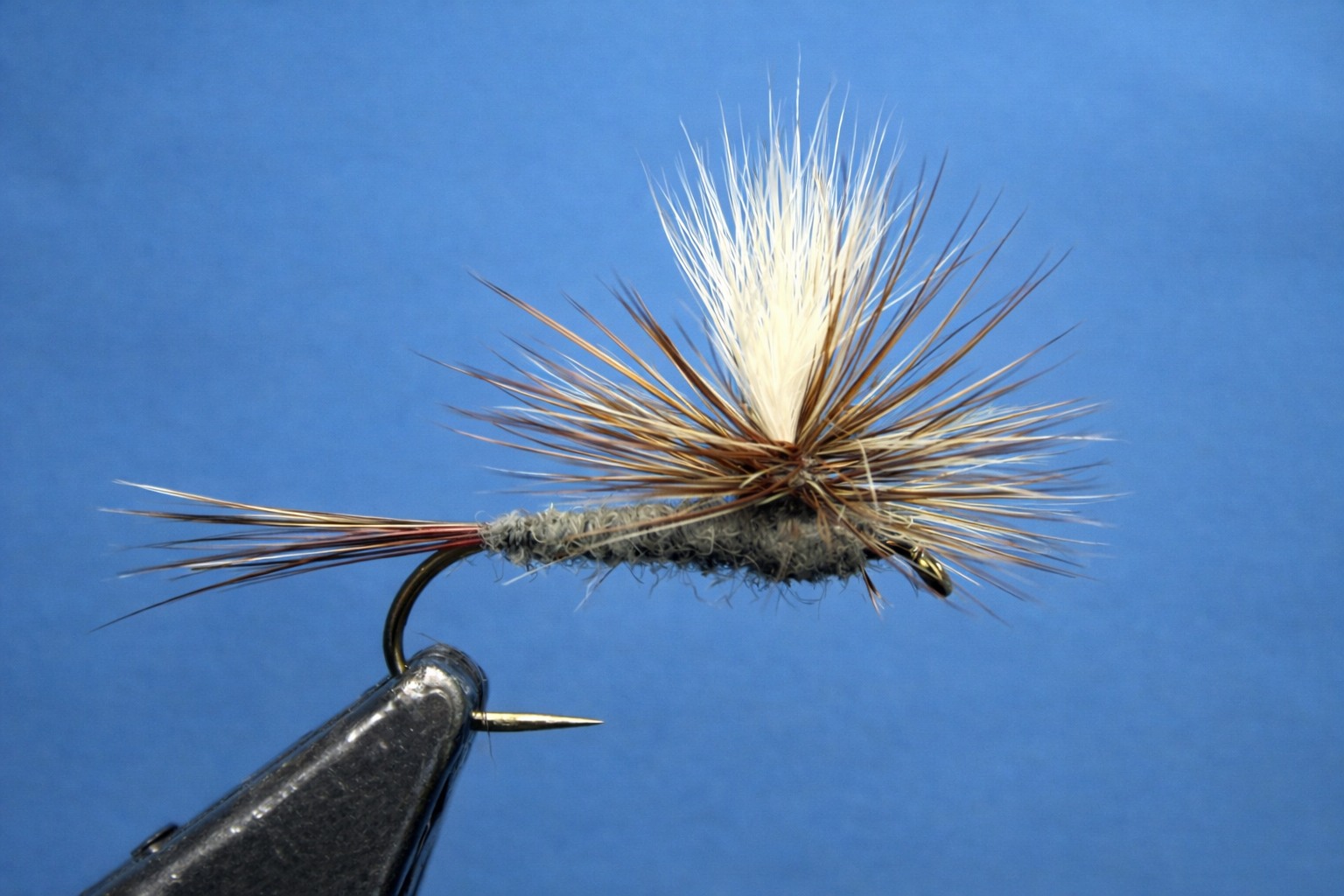
Guide
A guide to versatile fly patterns that keep earning box space because they stay useful across seasons, water types, and trout situations.
Guide
A guide to classic fly patterns every angler should recognize, organize, and understand before the box gets too modern or too crowded.
Guide
A practical fly-box stocking guide built around coverage, category balance, and patterns that earn their place over time.
Guide
A broad knowledge guide to fly patterns every angler should recognize, whether the goal is tying confidence, box organization, or trout coverage.
Yes. They continue to offer movement, simplicity, and a different look than many modern confidence patterns, which keeps them useful for anglers who want a rounded box.
Soft hackles are a major part of the wet-fly family, but the broader category can also include winged wets and other classic subsurface patterns with a similar role.