Why it matters
It broadens wet-fly knowledge beyond only soft hackles and keeps classic pattern literacy visible.
Fly pattern
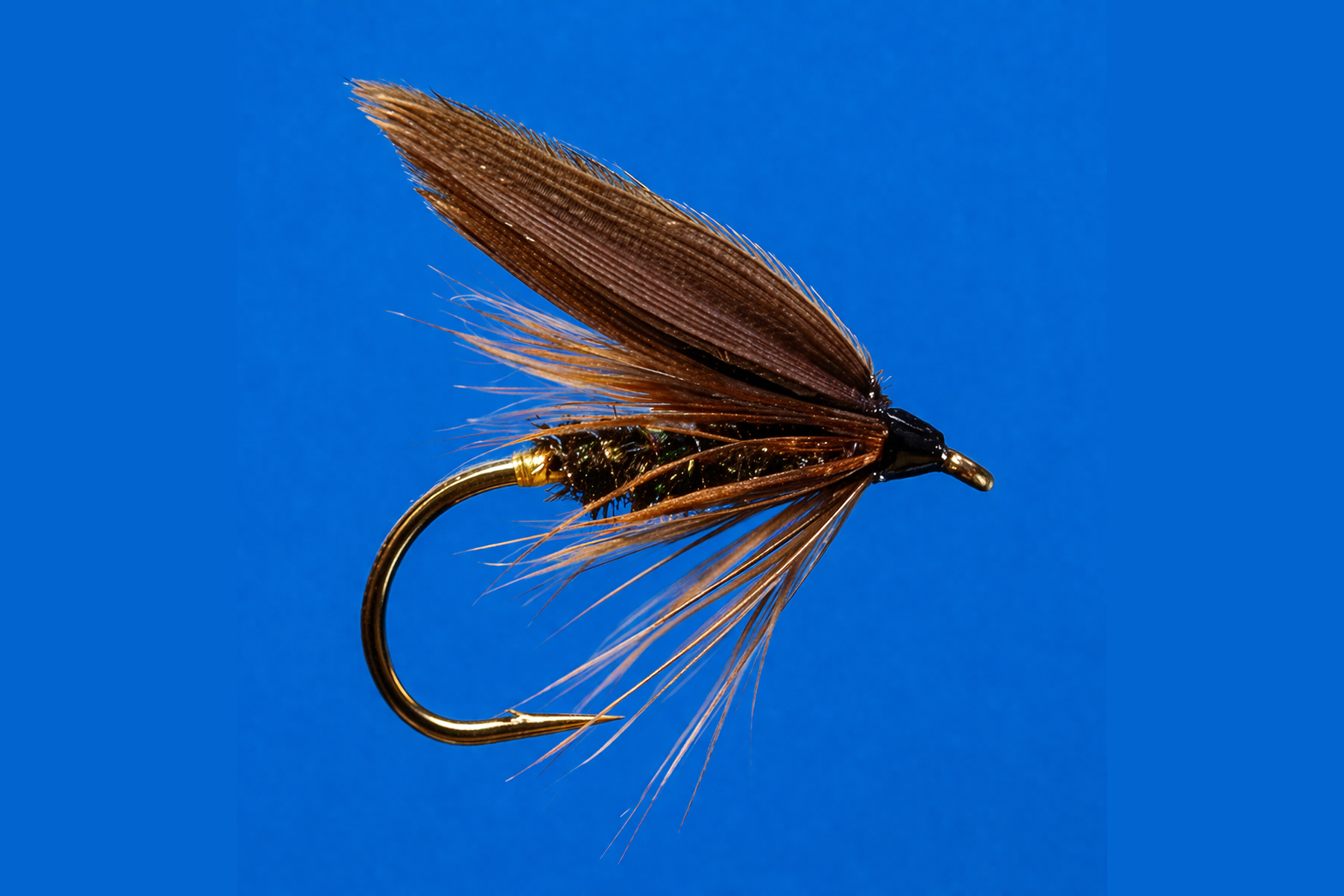
A classic wet fly with peacock body contrast and a swept silhouette that still swings beautifully today.
A classic peacock wet fly with a confident swept profile
This page is structured to stay useful as a real reference source: what the fly is, where it fits, what materials or steps are publicly available, why anglers keep it around, and where to go next in the Blue Wing Labs knowledge graph.
Why it matters
It broadens wet-fly knowledge beyond only soft hackles and keeps classic pattern literacy visible.
When to use it
Use it when you want a more traditional wet in the box or in the knowledge hub.
Category
This section keeps the explanation practical and source-backed, using the structured library data plus broad category context without inventing unsupported technical detail.
Overview
A classic wet fly with peacock body contrast and a swept silhouette that still swings beautifully today.
Context
Leadwing Coachman sits in the wet flies section of the Blue Wing Labs public library, where it helps anglers compare related patterns without losing track of the bigger category. A traditional winged wet that adds historical depth and a distinct classic silhouette.
Context
A classic peacock wet fly with a confident swept profile. In practical terms, it supports movement-driven subsurface presentations and traditional trout coverage while staying easy to place inside a more organized fly box.
Context
Because Leadwing Coachman is also treated as a classic pattern in the library, it works as both a fishing fly and a reference point for understanding how this category is supposed to look and behave.
The public site only states broad usage windows, but those windows still help anglers keep the fly in the right part of the mental and physical box.
Use it when you want a more traditional wet in the box or in the knowledge hub.
At the category level, wet flies shine when anglers want a softer silhouette, a classic swing option, or a smaller category of proven patterns.
Blue Wing Labs tags it as a year-round pattern, which makes it a useful anchor when you want fewer flies that stay relevant longer.
These points focus on the fly's role, visibility, versatility, and category logic rather than overly specific claims the public dataset does not support.
Fishing condition insight
Use it when you want a more traditional wet in the box or in the knowledge hub.
It broadens wet-fly knowledge beyond only soft hackles and keeps classic pattern literacy visible.
The public fly library does not invent named variations where the source data is thin. Instead, it connects this pattern to nearby flies so anglers can see the surrounding shape of the category.
Comparison note
The page keeps variation context grounded, and it connects the pattern to nearby flies like Parachute Adams, Elk Hair Caddis, and Pheasant Tail Nymph. Those comparisons help anglers understand how the fly sits inside wet flies without inventing unsupported detail.
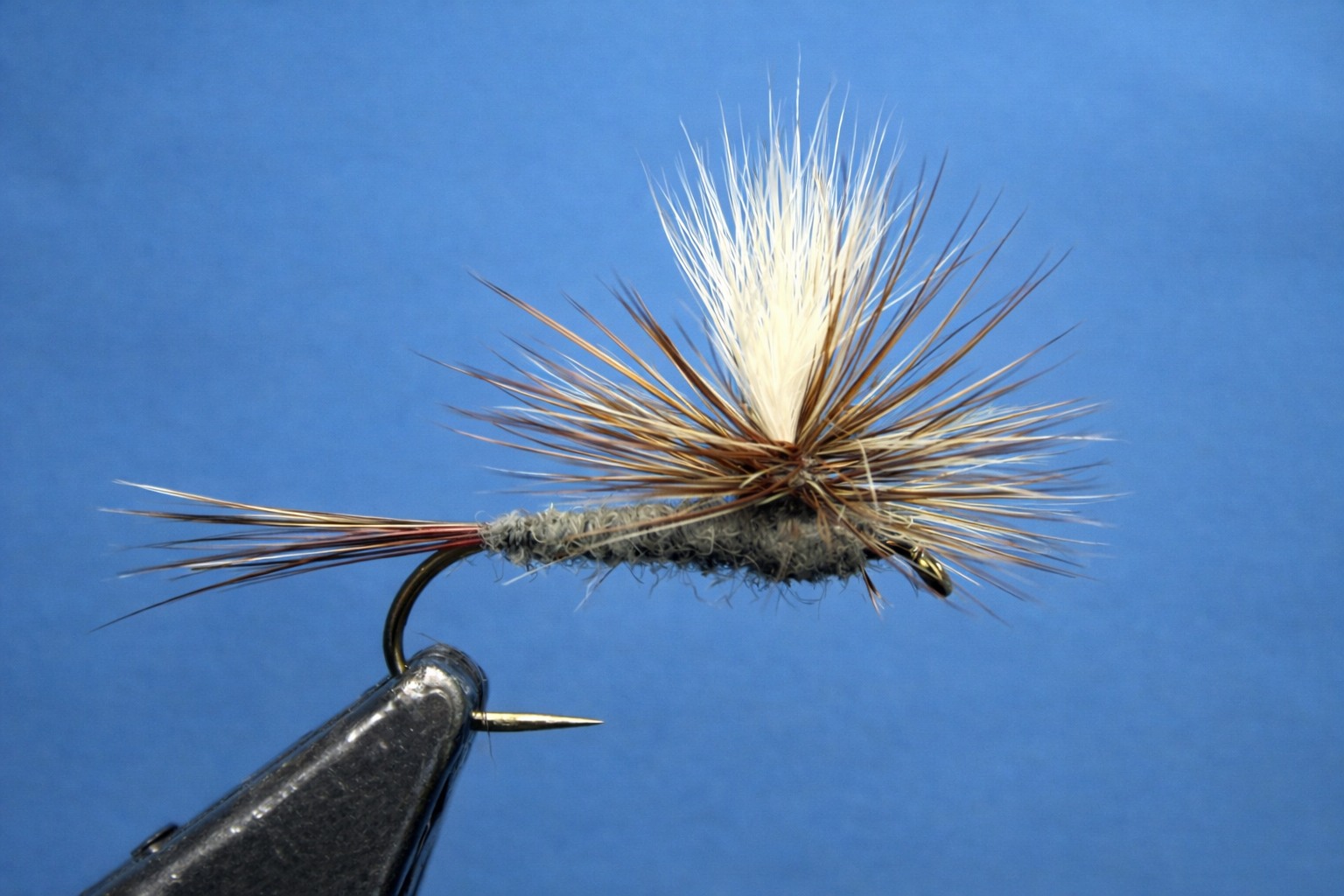
dry flies
A visible attractor dry that remains one of the easiest all-around trout patterns to keep in a box.
Why it matters
It is a benchmark confidence fly that helps anglers cover a lot of water without overthinking the surface game.
When it fits
Use it when you want a dependable dry that feels broad, visible, and easy to fish with confidence.
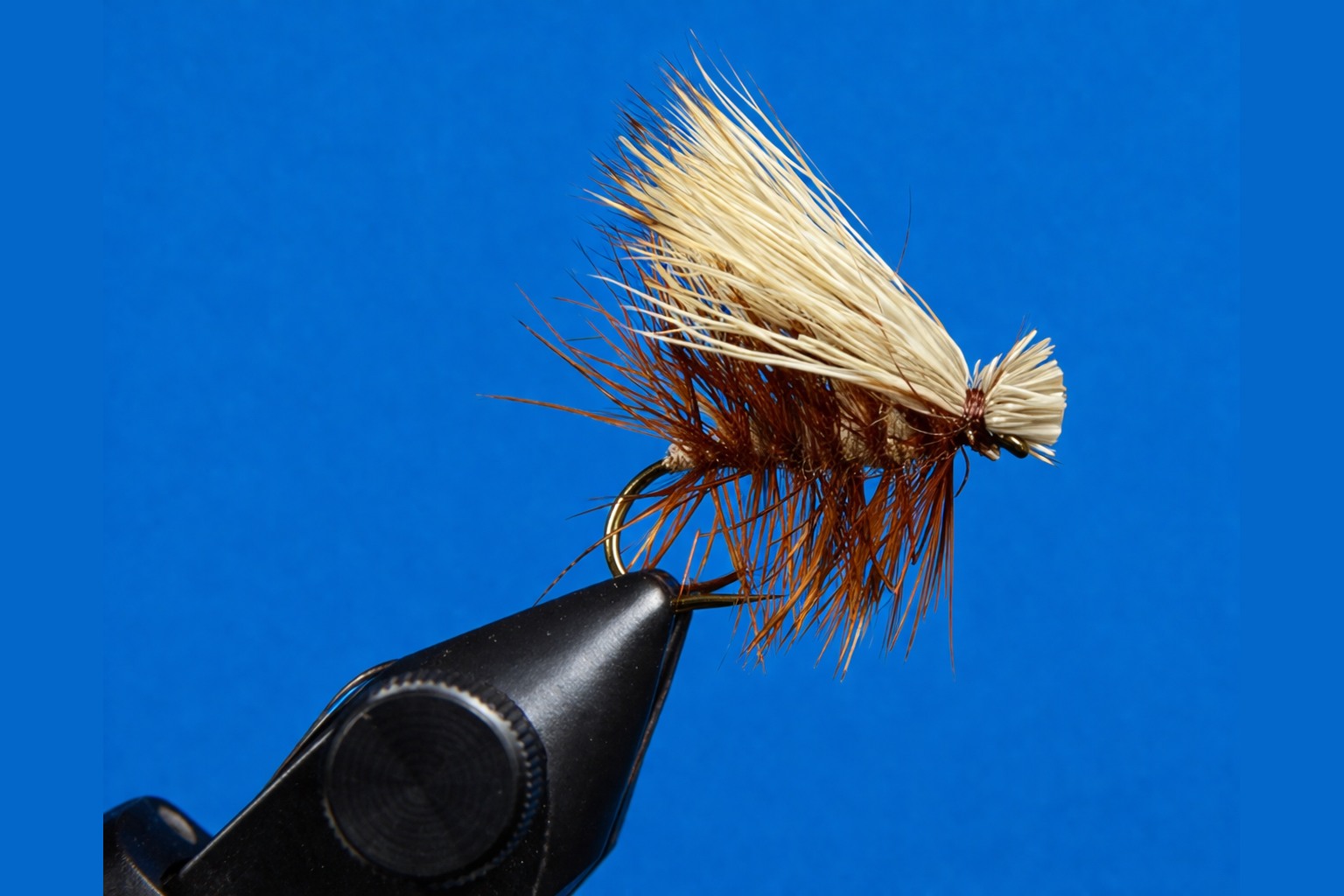
dry flies
A practical caddis dry that stays visible, buoyant, and easy to keep in rotation.
Why it matters
It gives the box a simple caddis anchor that still feels useful across a wide range of trout water.
When it fits
Use it when caddis are in the conversation or when you want a visible, fishable dry that is easy to read.
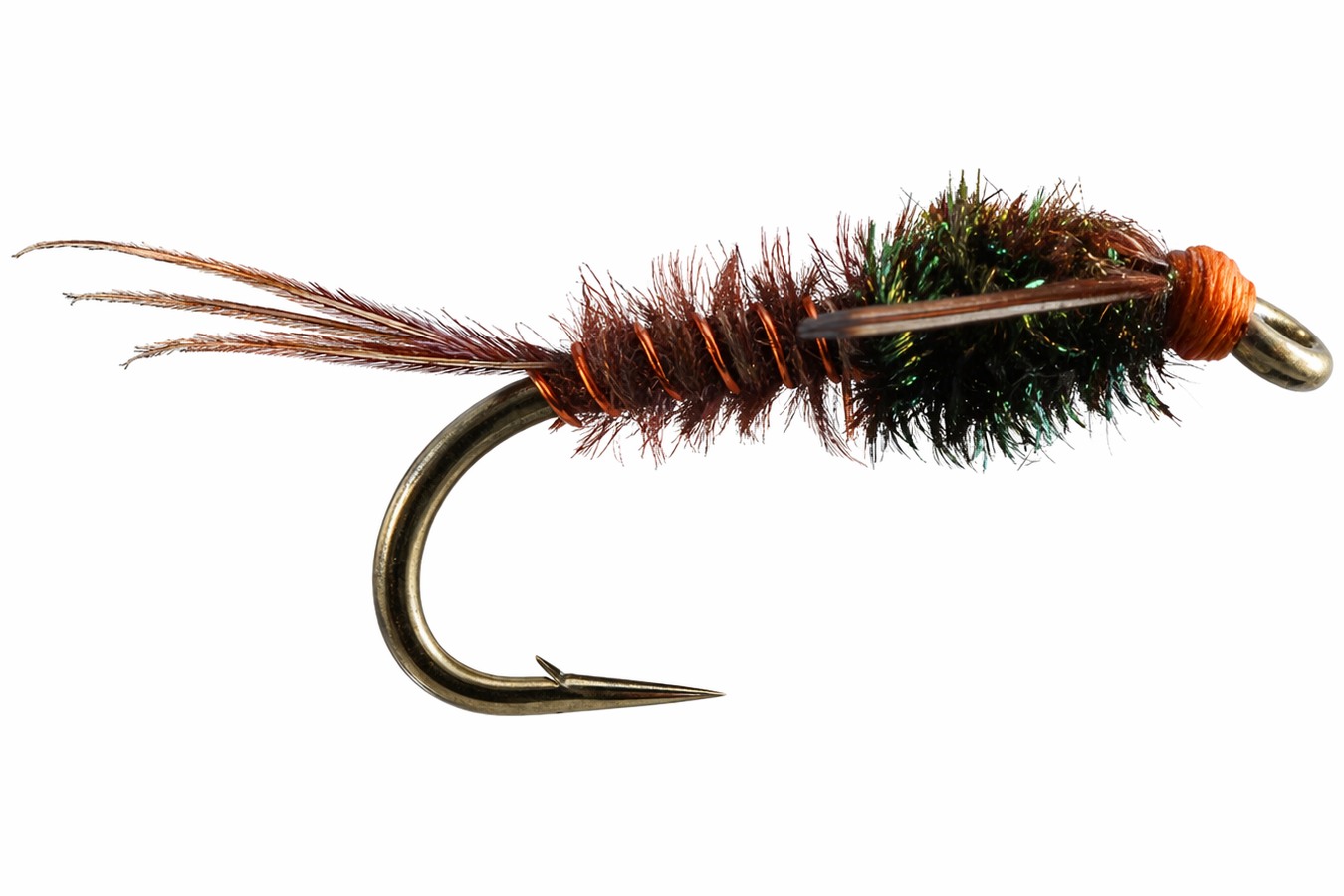
nymphs
A classic mayfly nymph that belongs in almost every organized trout library.
Why it matters
It teaches category logic while still covering real day-to-day trout fishing.
When it fits
Use it when you want a dependable mayfly-leaning nymph that never feels out of place.
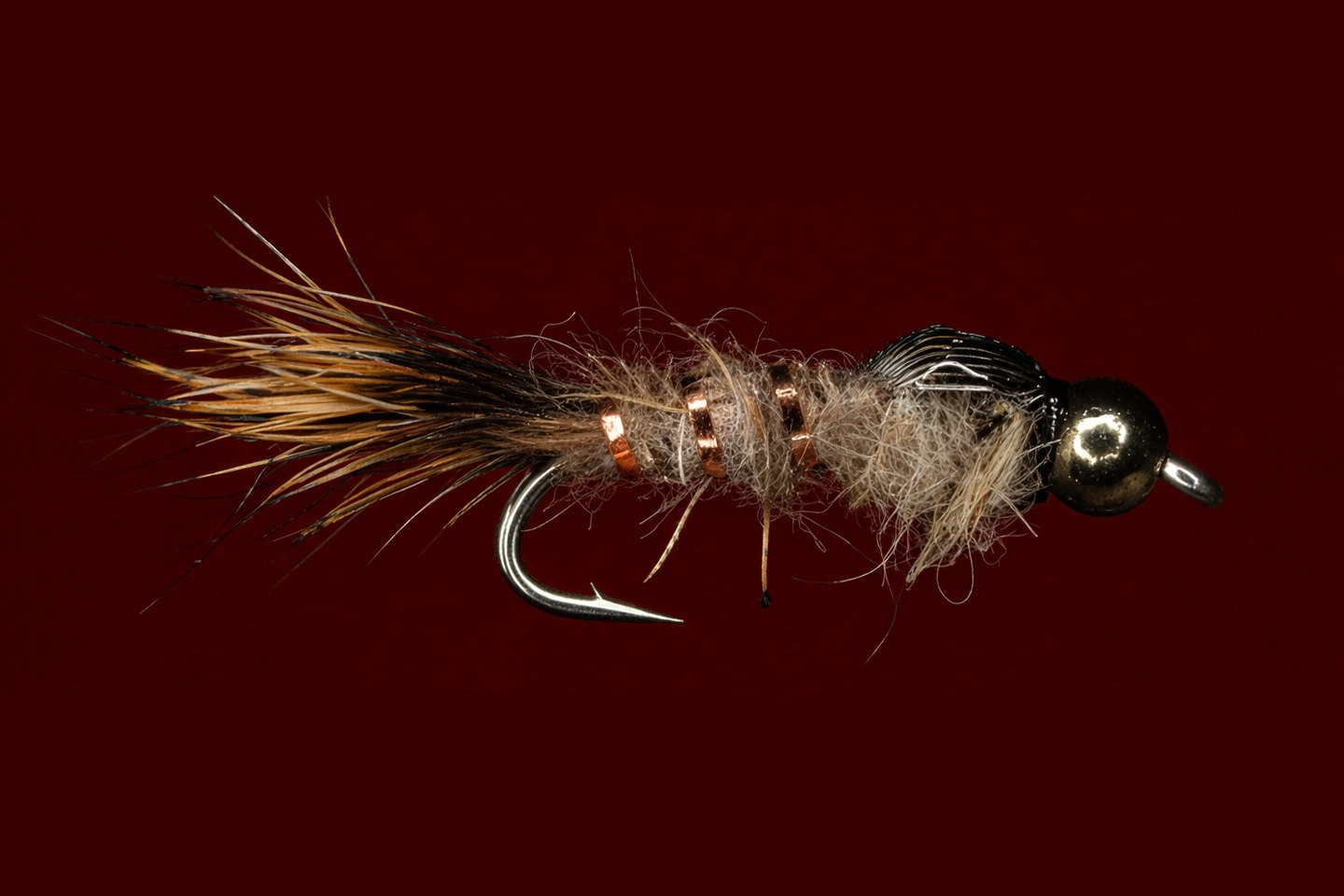
nymphs
An all-purpose searching nymph that keeps the trout box broad without becoming confusing.
Why it matters
It pairs well with slimmer nymphs and helps cover general searching situations cleanly.
When it fits
Use it when you want a nymph with broad utility and classic box value.
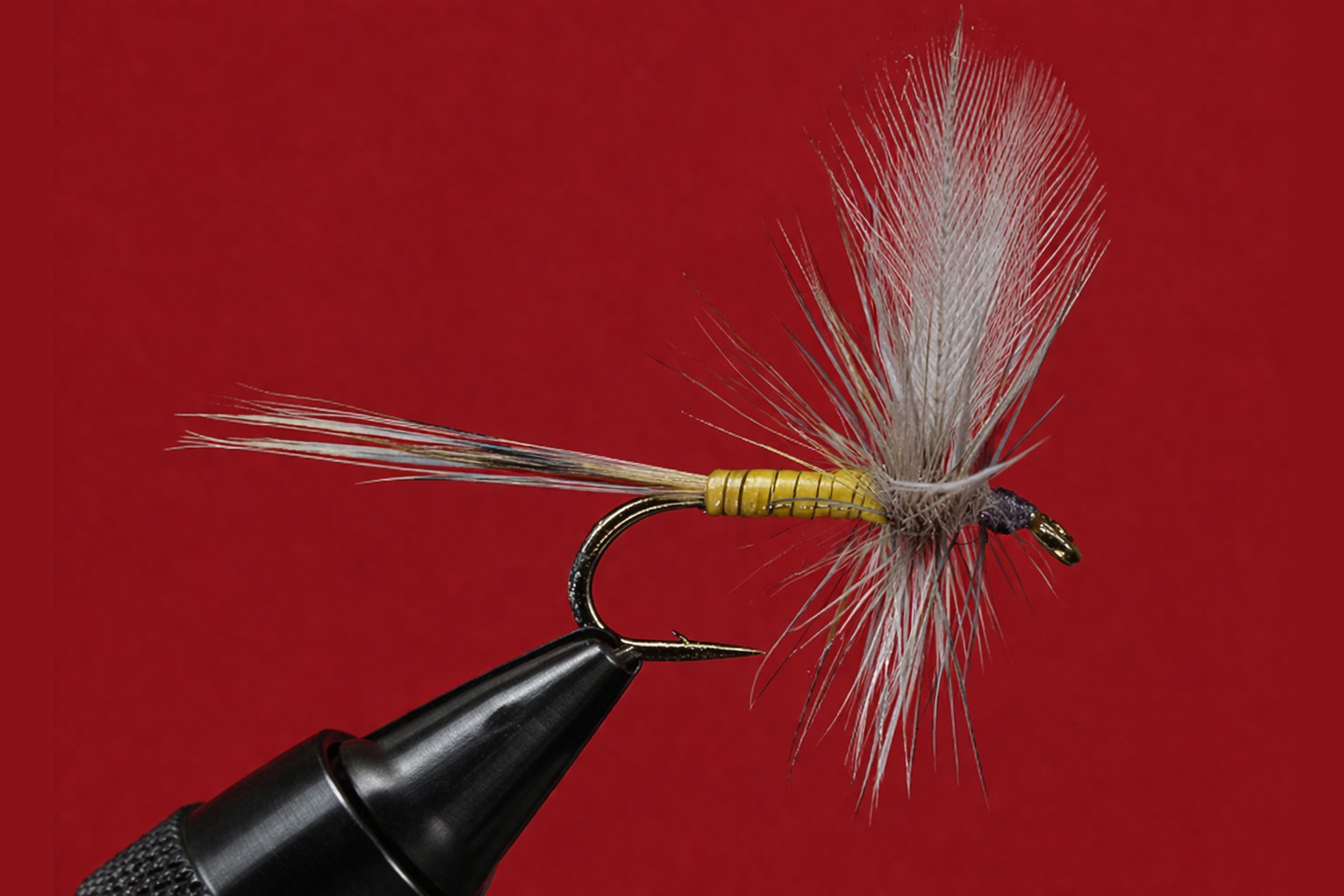
dry flies
A slim mayfly dry that gives trout boxes a reliable small-profile surface option.
Why it matters
It gives the library a clean mayfly anchor that stays easy to trust and easy to organize.
When it fits
Use it when trout are feeding near the surface and a smaller mayfly look belongs in the mix.
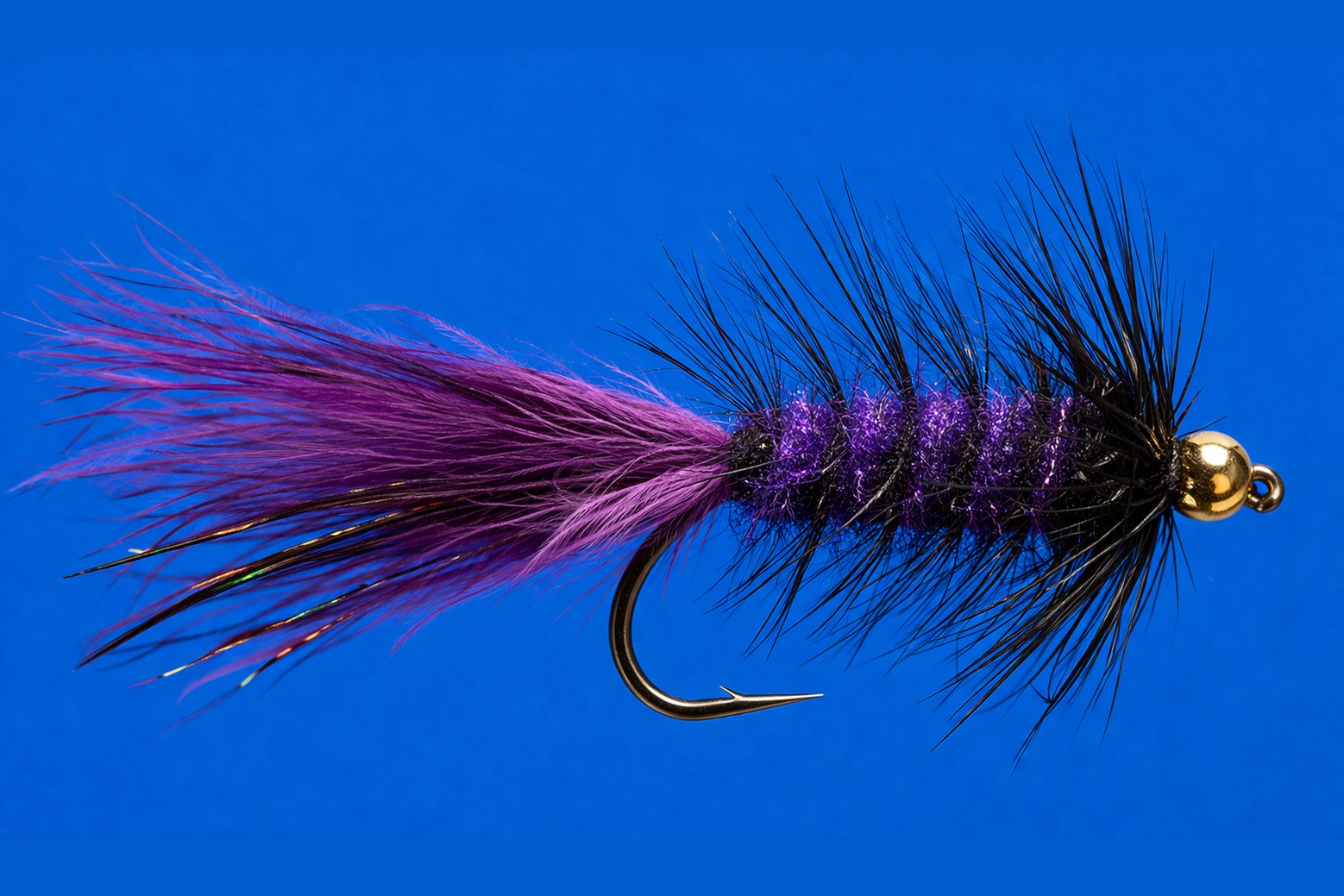
streamers
A classic streamer that covers a huge amount of practical fishing with very little extra explanation.
Why it matters
Few flies are as useful for both beginner tying and long-term fly-box value.
When it fits
Use it when you want a first-stop streamer that can prospect and cover water almost anywhere.
These guides connect the pattern back into broader beginner, trout, seasonal, and category-level decisions.
Leadwing Coachman is grouped under wet flies in the Blue Wing Labs knowledge hub so anglers can compare it with related patterns and broader category guidance.
Use it when you want a more traditional wet in the box or in the knowledge hub.
Leadwing Coachman is listed as intermediate in the public library, so it may ask for a little more experience than the simplest entry-point patterns, but it still fits into an organized learning path.
It broadens wet-fly knowledge beyond only soft hackles and keeps classic pattern literacy visible.