Clear box role
Each fly here solves a recognizable job instead of only adding another name to memorize.
Guide
Soft hackles are some of the clearest examples of useful simplicity in fly tying. This guide highlights the patterns that keep the category approachable while still teaching anglers how movement and restraint can carry a fly.
Each fly here solves a recognizable job instead of only adding another name to memorize.
The list favors patterns anglers can return to across real sessions, not one-off novelties.
Every recommendation links to a fly page, category page, or related guide so the article behaves like a reference system.
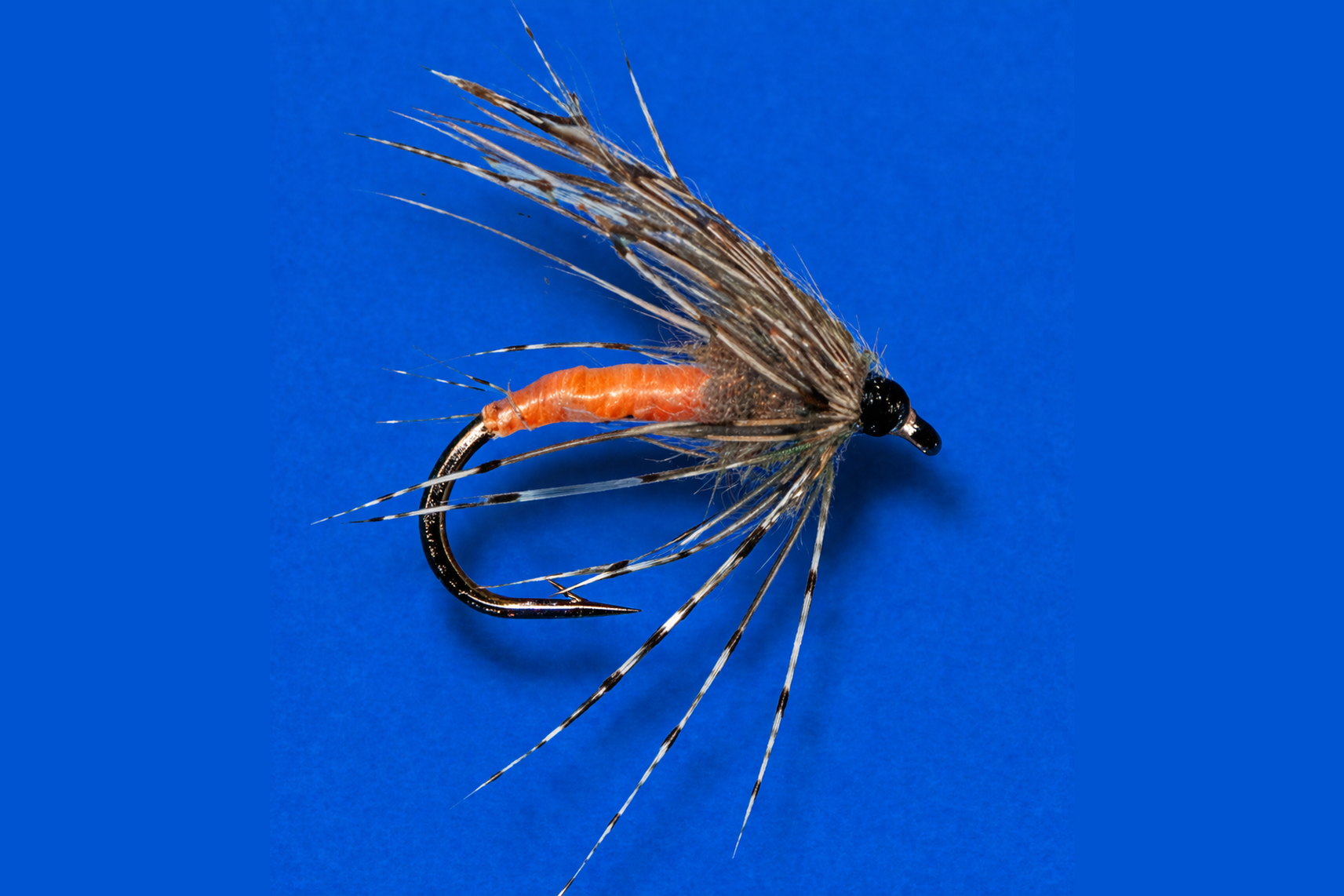
wet flies
A classic soft hackle that proves useful wet flies do not need much clutter.
Why it matters
It gives the wet-fly category a foundational pattern that is simple, elegant, and easy to revisit.
When it fits
Use it when you want a soft-hackle benchmark that keeps the category grounded.
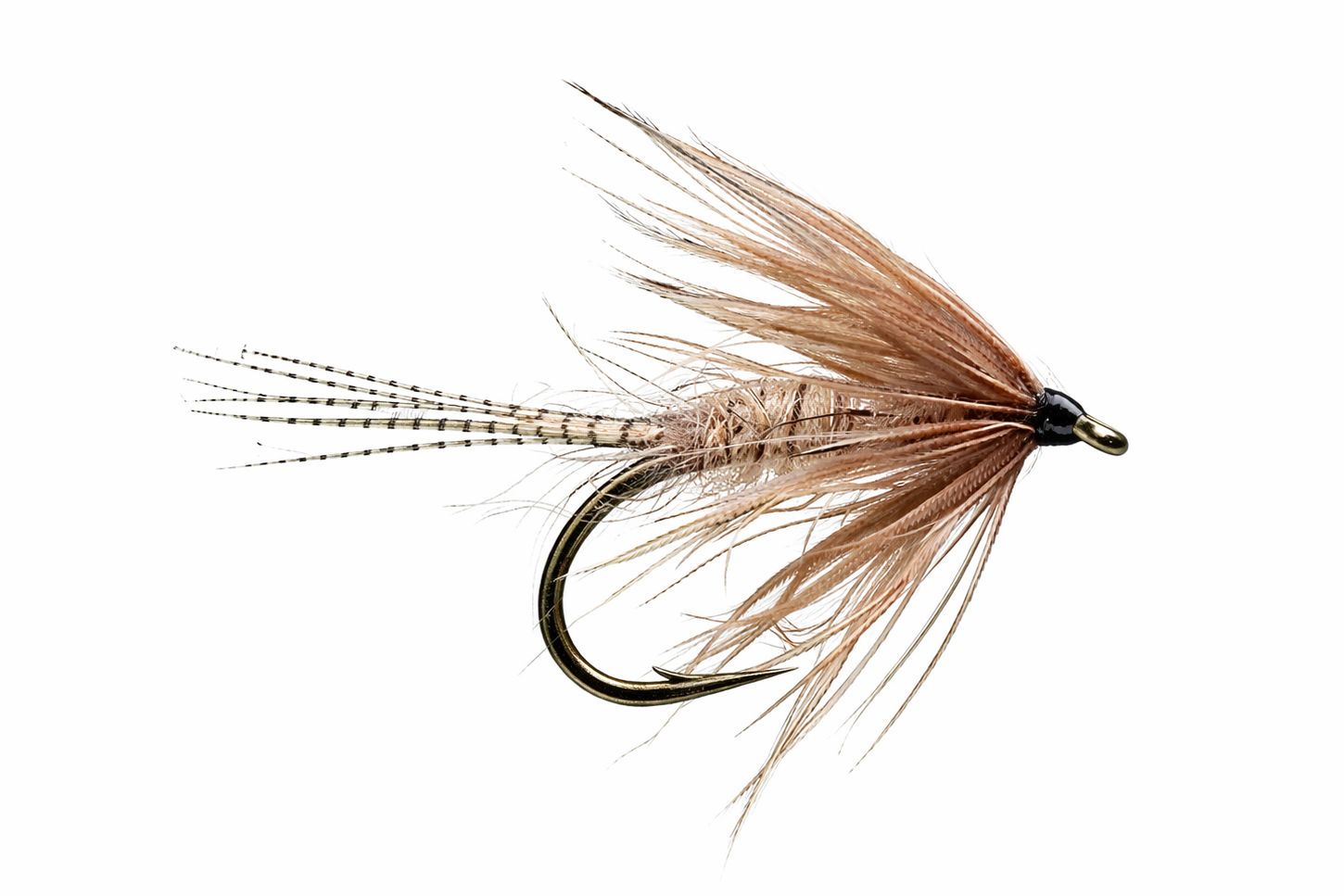
wet flies
A soft-hackle wet that brings classic movement into a familiar nymph-adjacent shape.
Why it matters
It helps wet-fly anglers keep one foot in classic movement and one in practical all-around trout use.
When it fits
Use it when you want a subtle moving wet that still feels familiar and approachable.
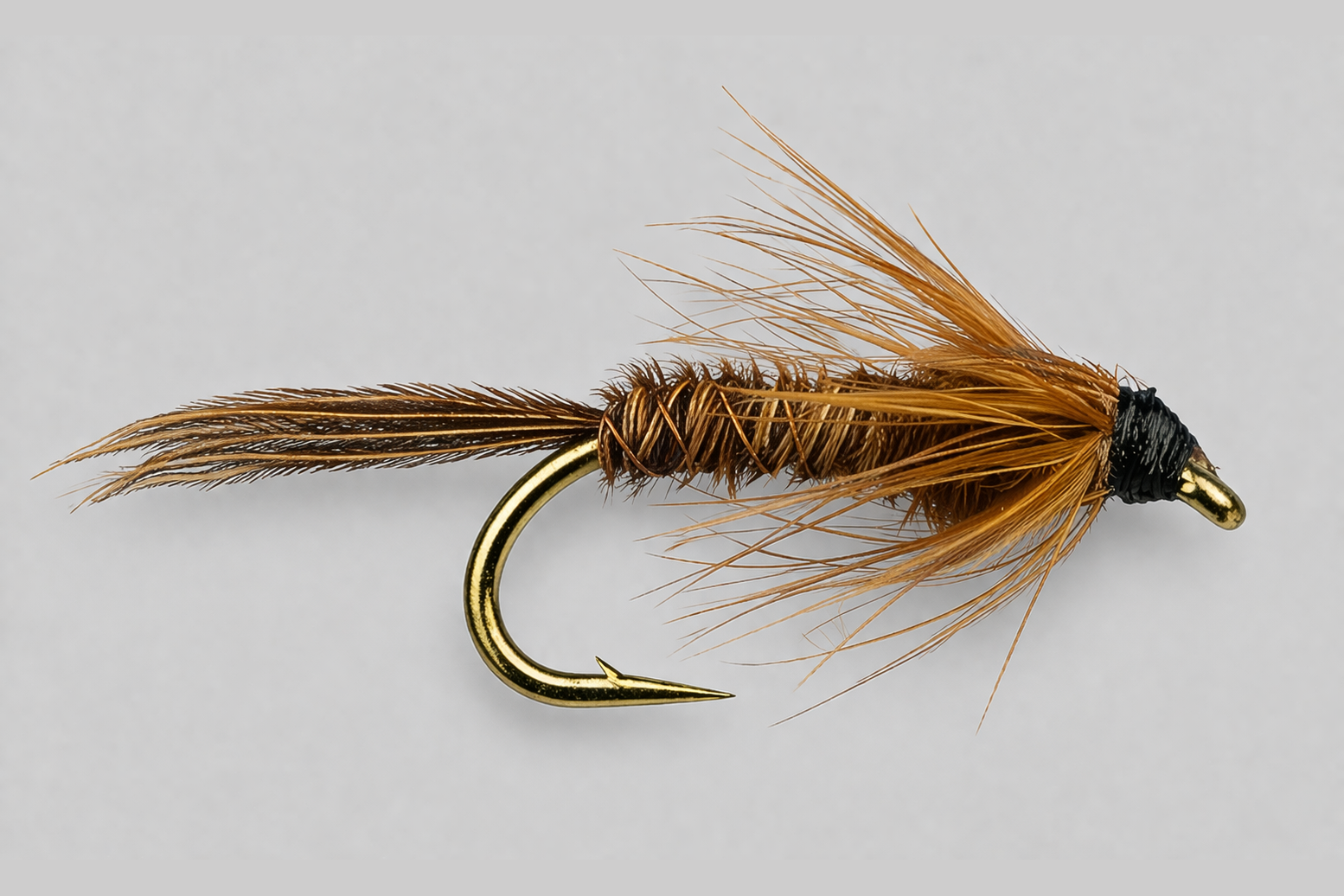
emergers
A crossover fly that links emerger usefulness with soft-hackle movement.
Why it matters
It connects two important categories and adds movement without losing a mayfly identity.
When it fits
Use it when you want a film-oriented fly with a little more life than a static emerger.
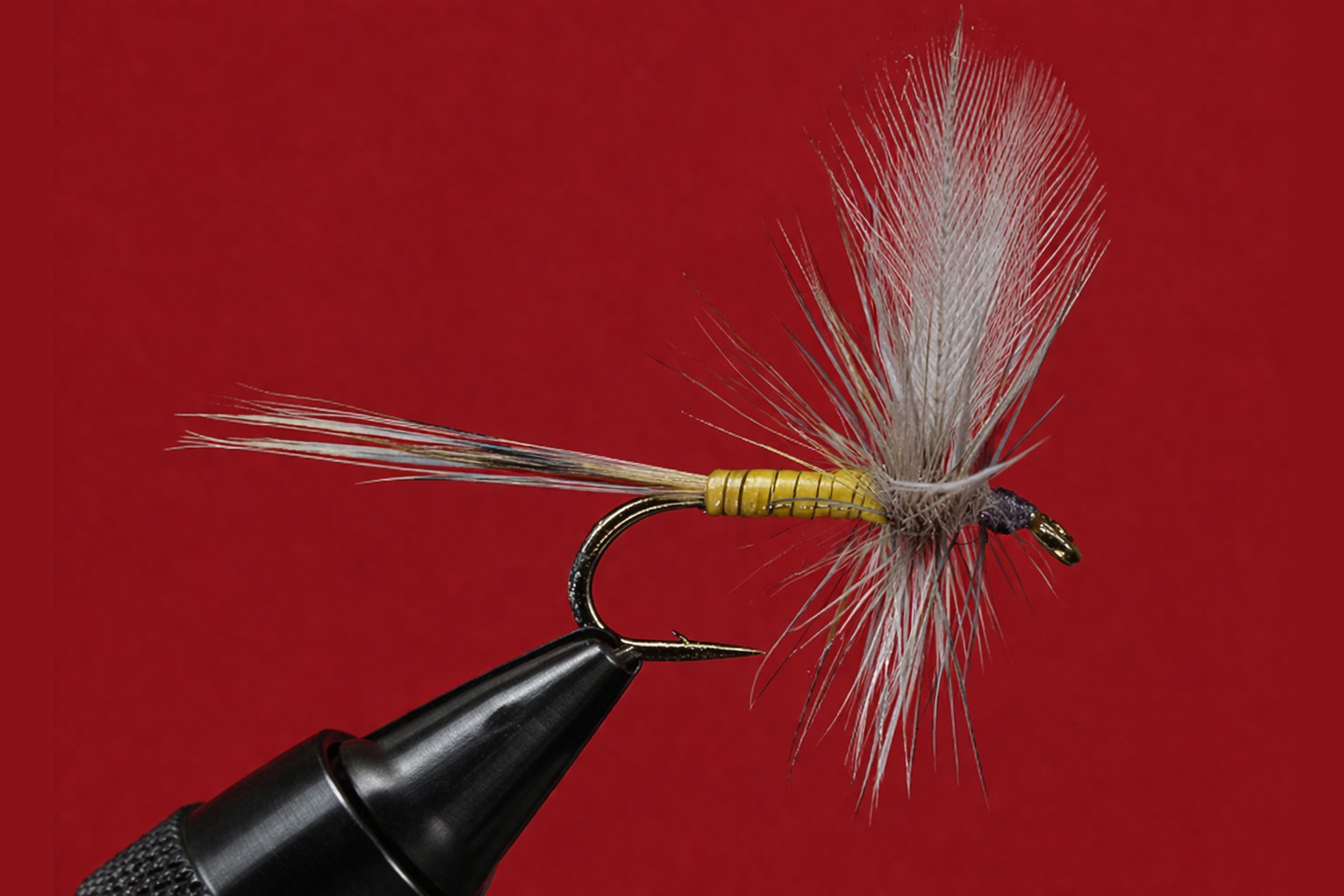
Guide
A structured mayfly-pattern guide covering dries, nymphs, and emergers that belong in a well-organized trout box.
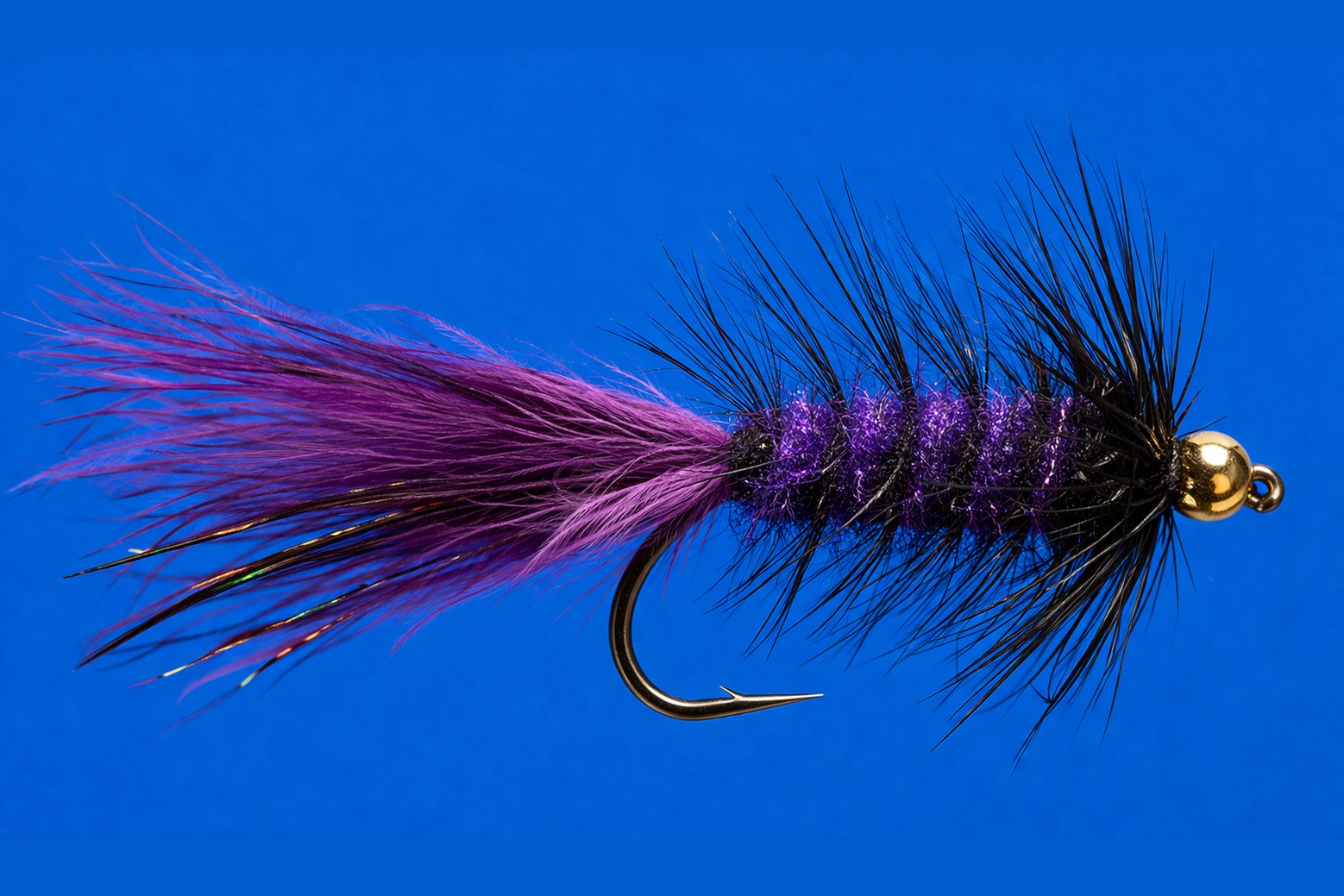
Guide
A useful list of easy fly patterns that still deserve long-term box space instead of being beginner-only throwaways.
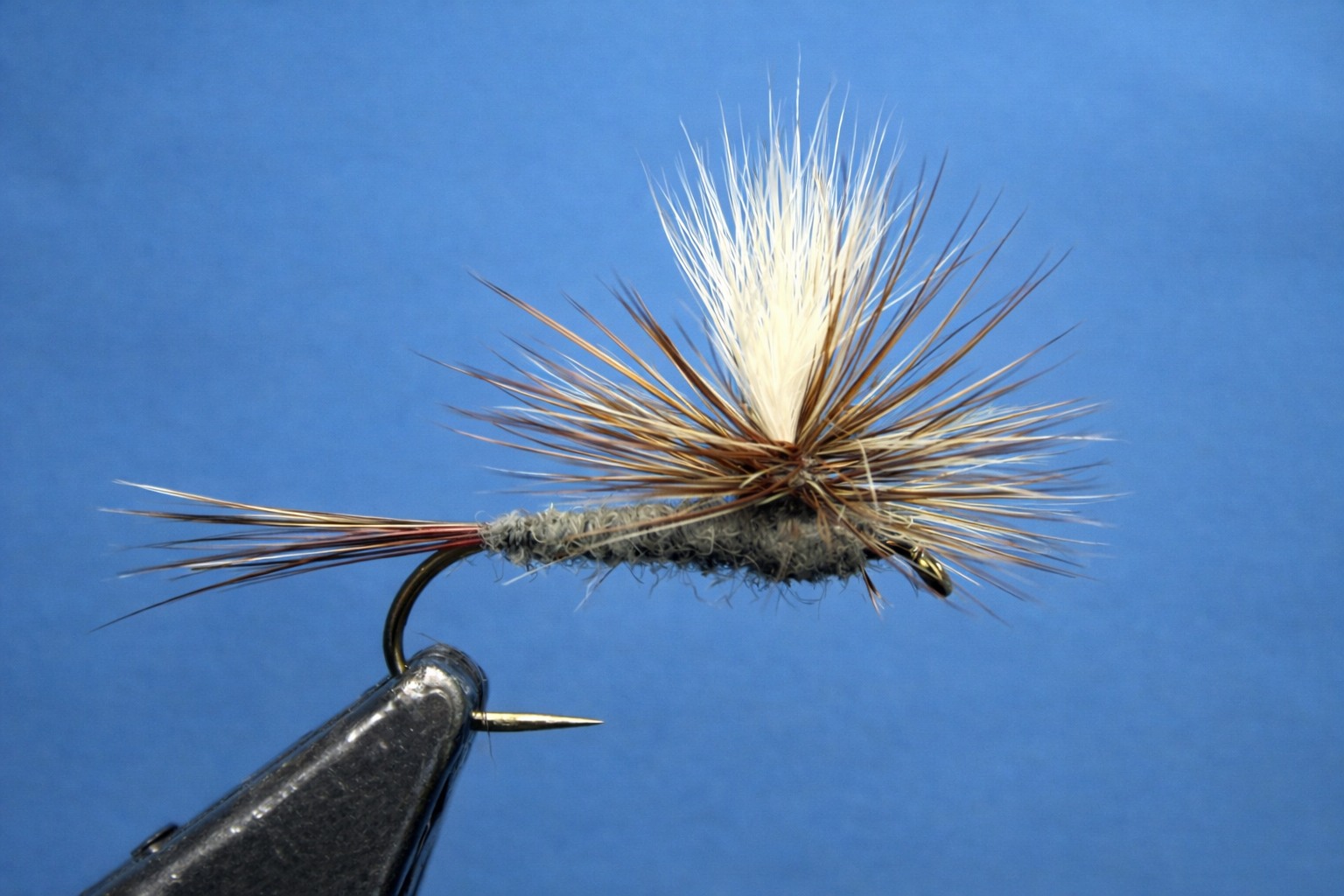
Guide
A guide to versatile fly patterns that keep earning box space because they stay useful across seasons, water types, and trout situations.
Guide
A guide to classic fly patterns every angler should recognize, organize, and understand before the box gets too modern or too crowded.
They teach fly design economy. Many soft hackles remain effective because they do not require clutter to create movement and usefulness.
Not always. Some patterns cross naturally into emerger logic, which is part of what makes them so useful to organize inside Blue Wing Labs.