Clear box role
Each fly here solves a recognizable job instead of only adding another name to memorize.
Guide
The best beginner tying patterns teach more than technique. They also help new tiers build a fly box with structure. This guide emphasizes patterns that are approachable at the vise and meaningful enough to stay in rotation after the first few sessions.
Each fly here solves a recognizable job instead of only adding another name to memorize.
The list favors patterns anglers can return to across real sessions, not one-off novelties.
Every recommendation links to a fly page, category page, or related guide so the article behaves like a reference system.
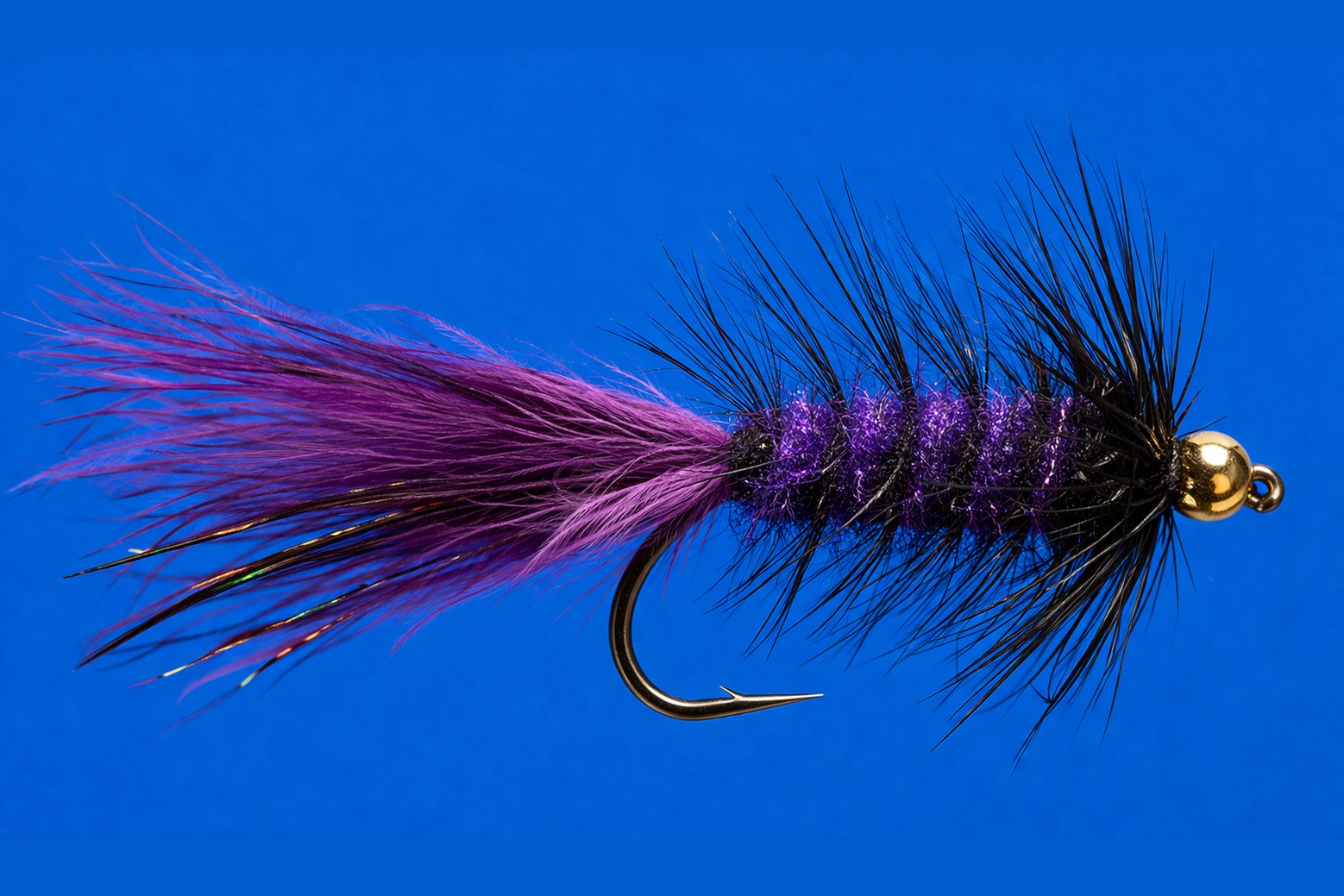
streamers
A classic streamer that covers a huge amount of practical fishing with very little extra explanation.
Why it matters
Few flies are as useful for both beginner tying and long-term fly-box value.
When it fits
Use it when you want a first-stop streamer that can prospect and cover water almost anywhere.
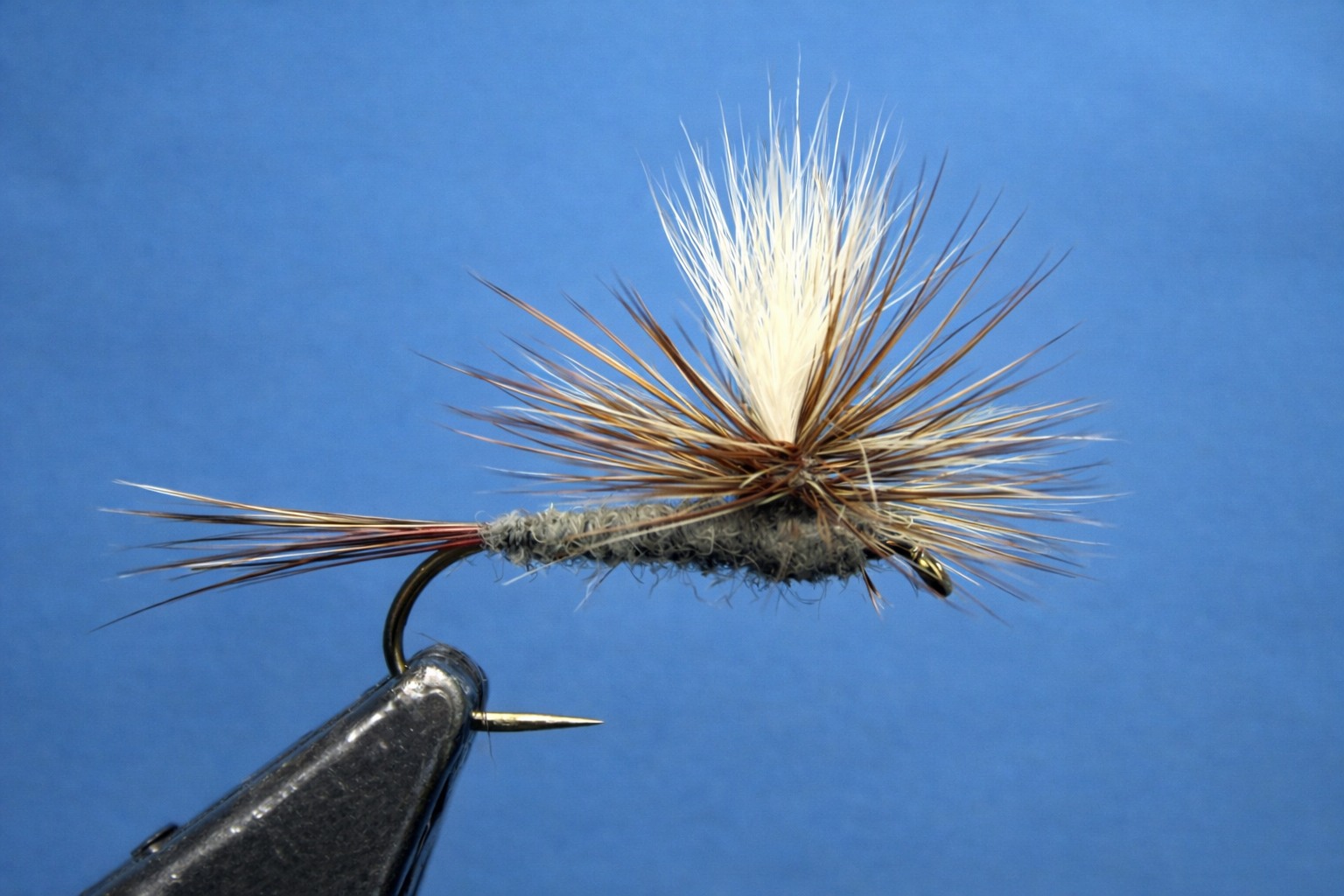
dry flies
A visible attractor dry that remains one of the easiest all-around trout patterns to keep in a box.
Why it matters
It is a benchmark confidence fly that helps anglers cover a lot of water without overthinking the surface game.
When it fits
Use it when you want a dependable dry that feels broad, visible, and easy to fish with confidence.
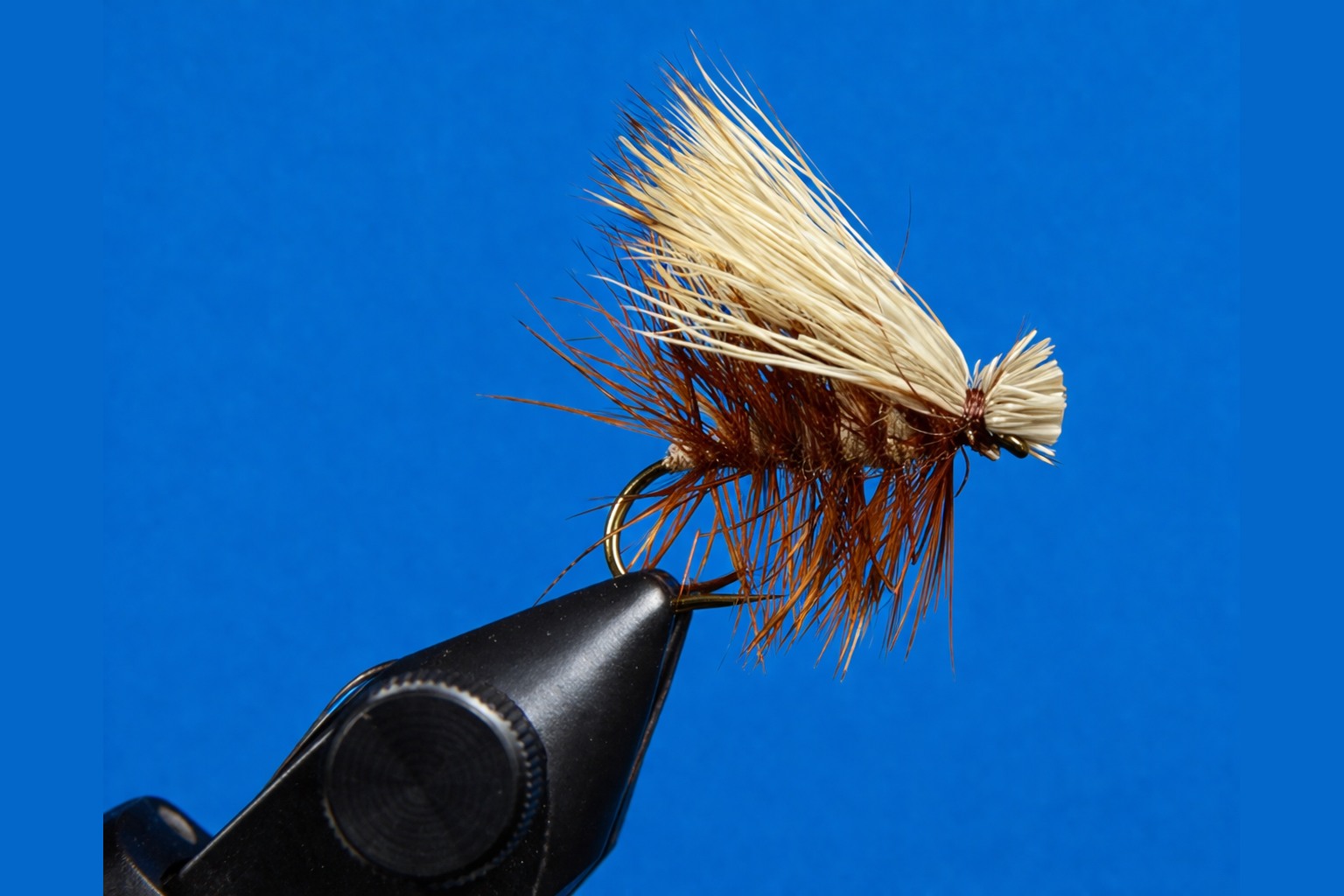
dry flies
A practical caddis dry that stays visible, buoyant, and easy to keep in rotation.
Why it matters
It gives the box a simple caddis anchor that still feels useful across a wide range of trout water.
When it fits
Use it when caddis are in the conversation or when you want a visible, fishable dry that is easy to read.
nymphs
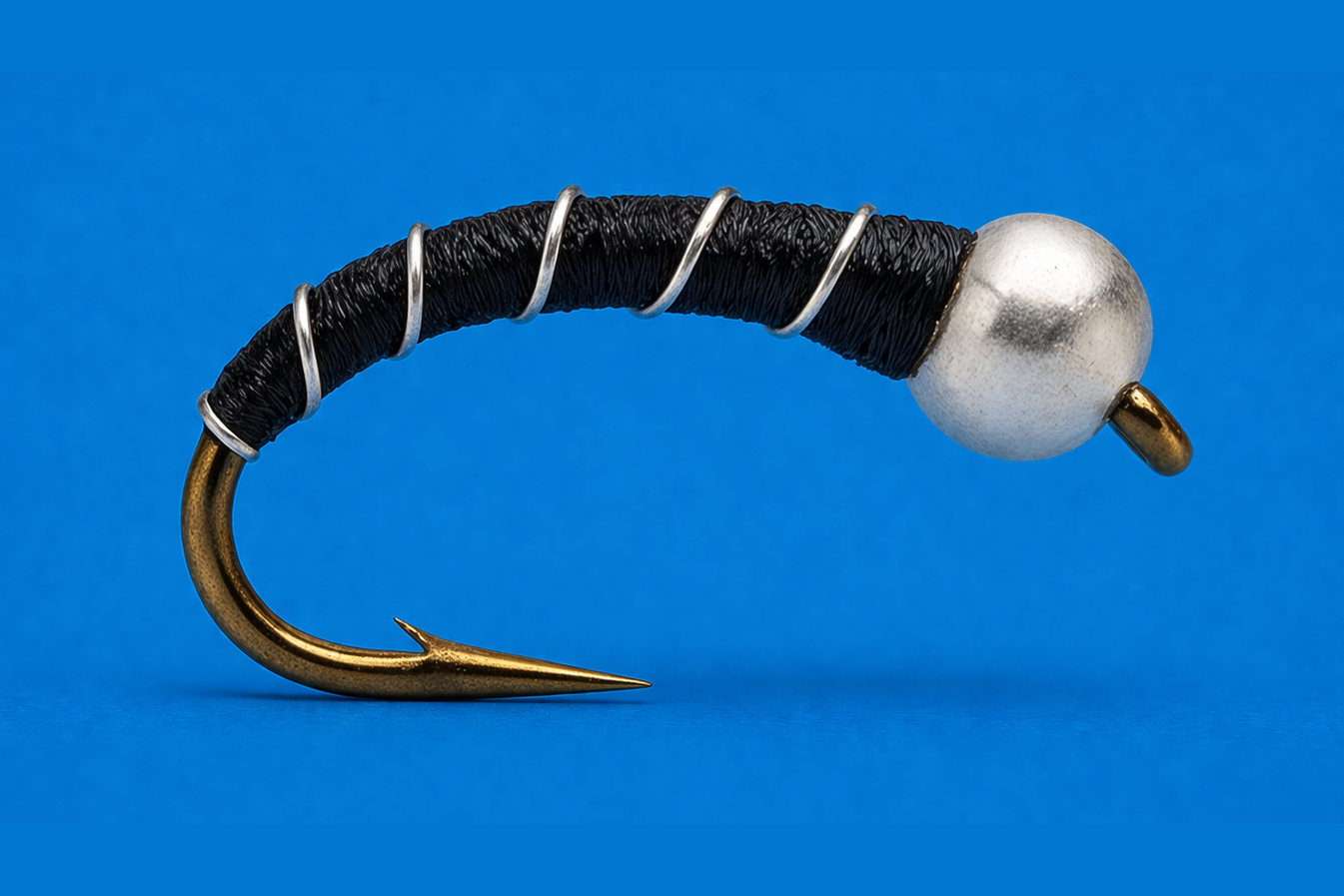
A slim midge nymph that stays useful because it is simple, compact, and easy to trust.
Why it matters
It is one of the clearest everyday examples of a small nymph earning permanent box space.
When it fits
Use it when smaller subsurface food is part of the day or when you want a clean technical nymph row.
euro nymphs
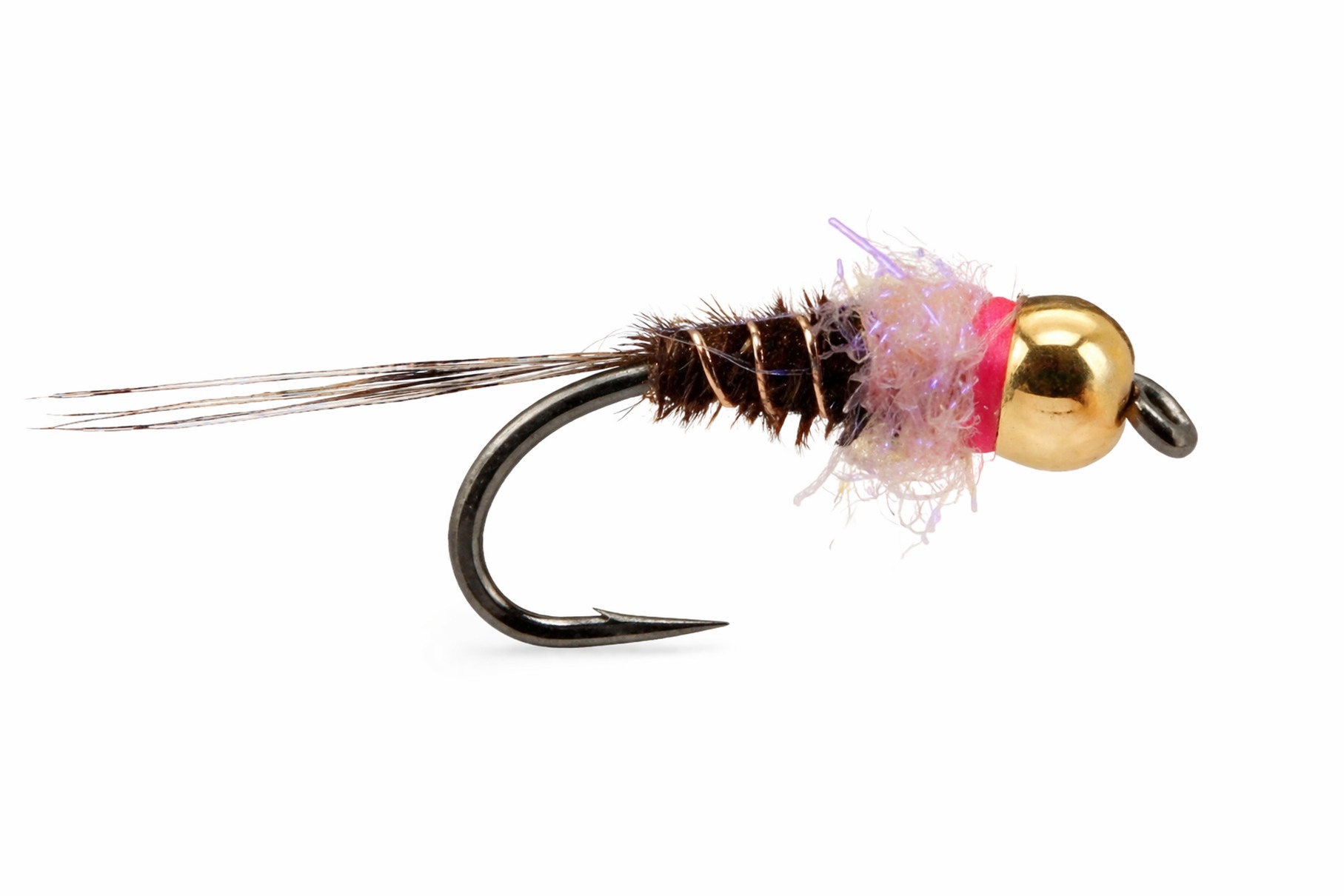
A straightforward euro standard that makes tactical nymphing more approachable.
Why it matters
It gives anglers a familiar, repeatable euro fly that feels easy to keep in rotation.
When it fits
Use it when you want a simple euro pattern with broad everyday utility.
terrestrials
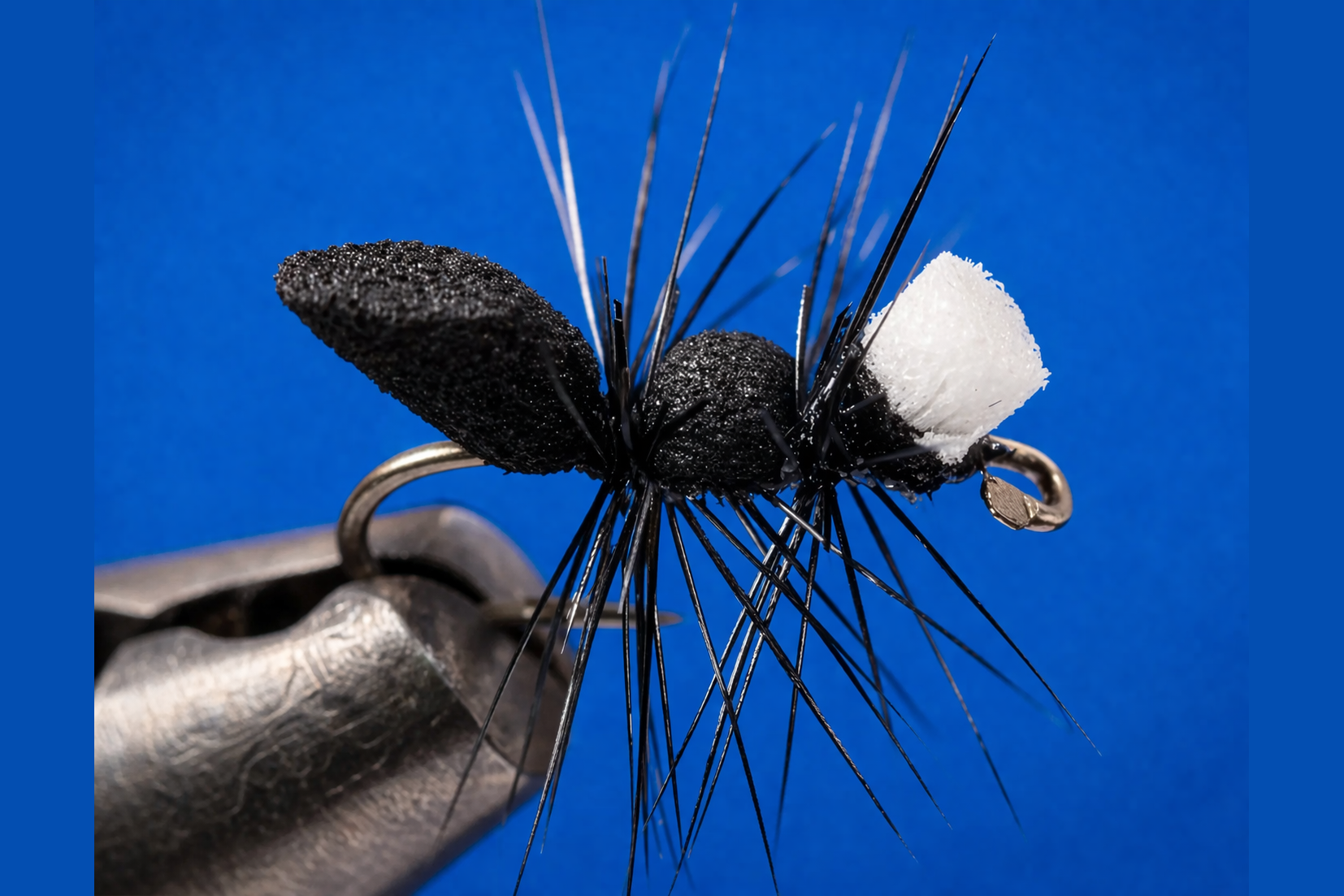
A compact terrestrial that covers one of the most practical summer food sources.
Why it matters
It gives the terrestrial row a simple, durable, easy-to-fish pattern.
When it fits
Use it when you want a straightforward terrestrial for small streams and summer trout water.
nymphs
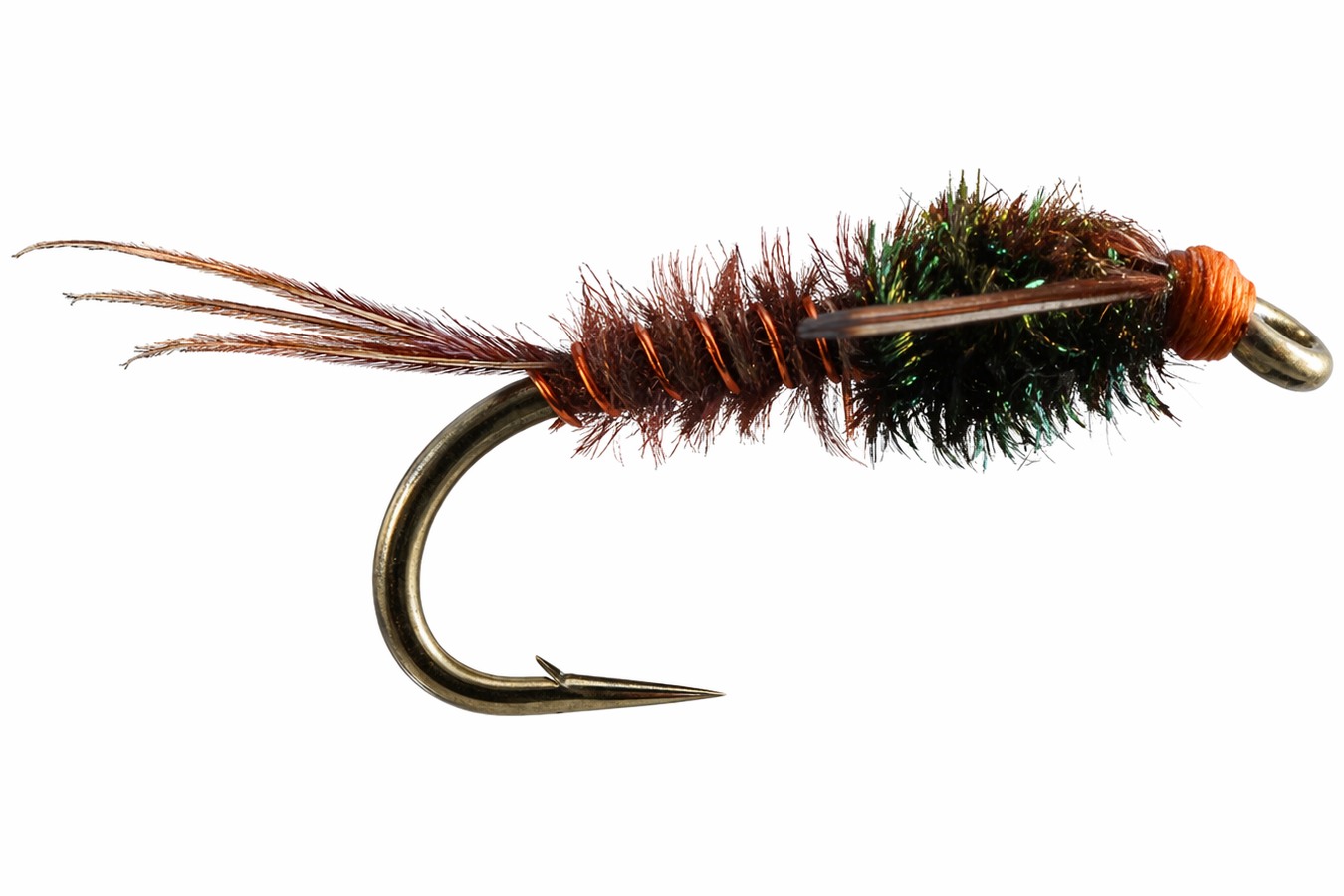
A classic mayfly nymph that belongs in almost every organized trout library.
Why it matters
It teaches category logic while still covering real day-to-day trout fishing.
When it fits
Use it when you want a dependable mayfly-leaning nymph that never feels out of place.
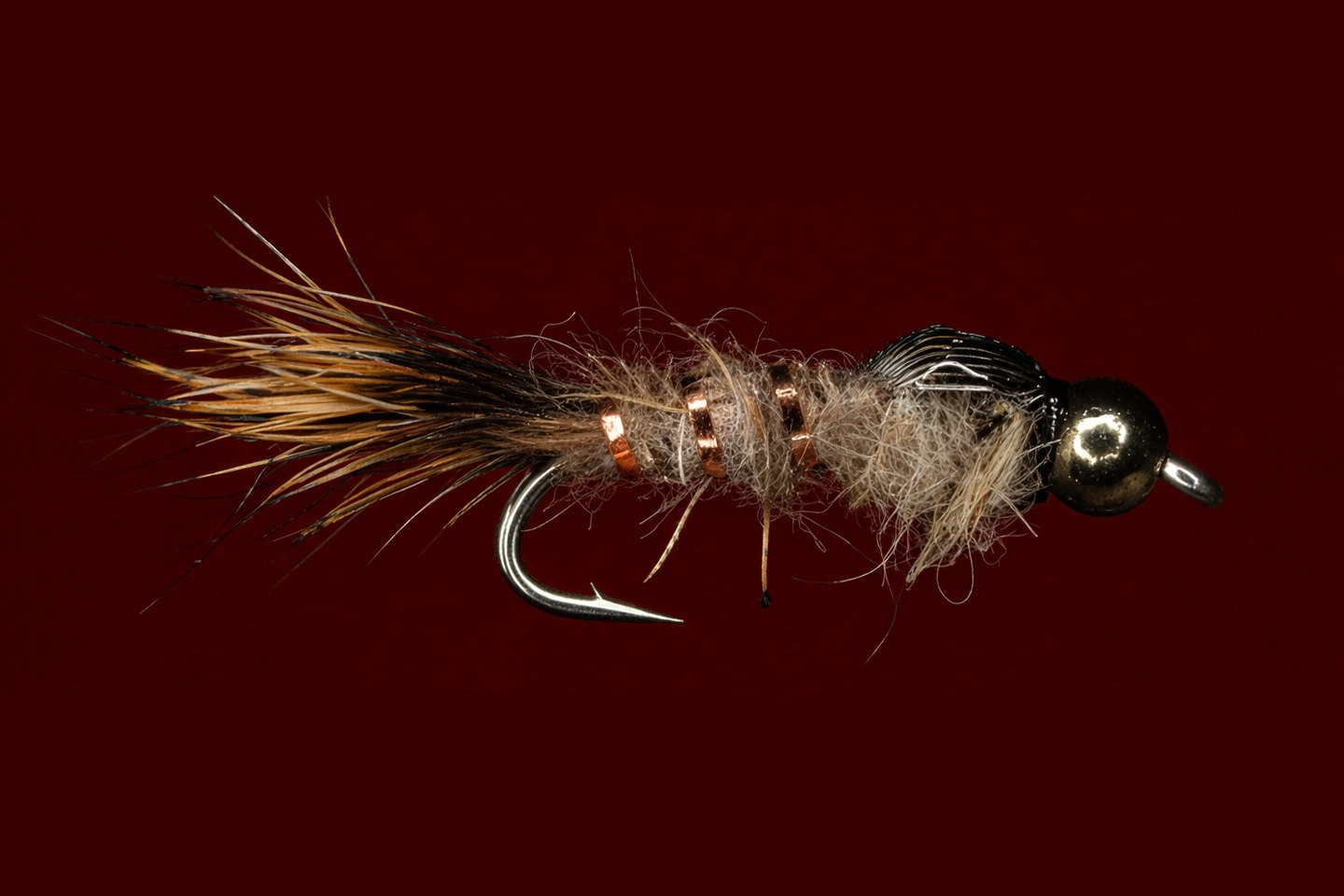
nymphs
An all-purpose searching nymph that keeps the trout box broad without becoming confusing.
Why it matters
It pairs well with slimmer nymphs and helps cover general searching situations cleanly.
When it fits
Use it when you want a nymph with broad utility and classic box value.
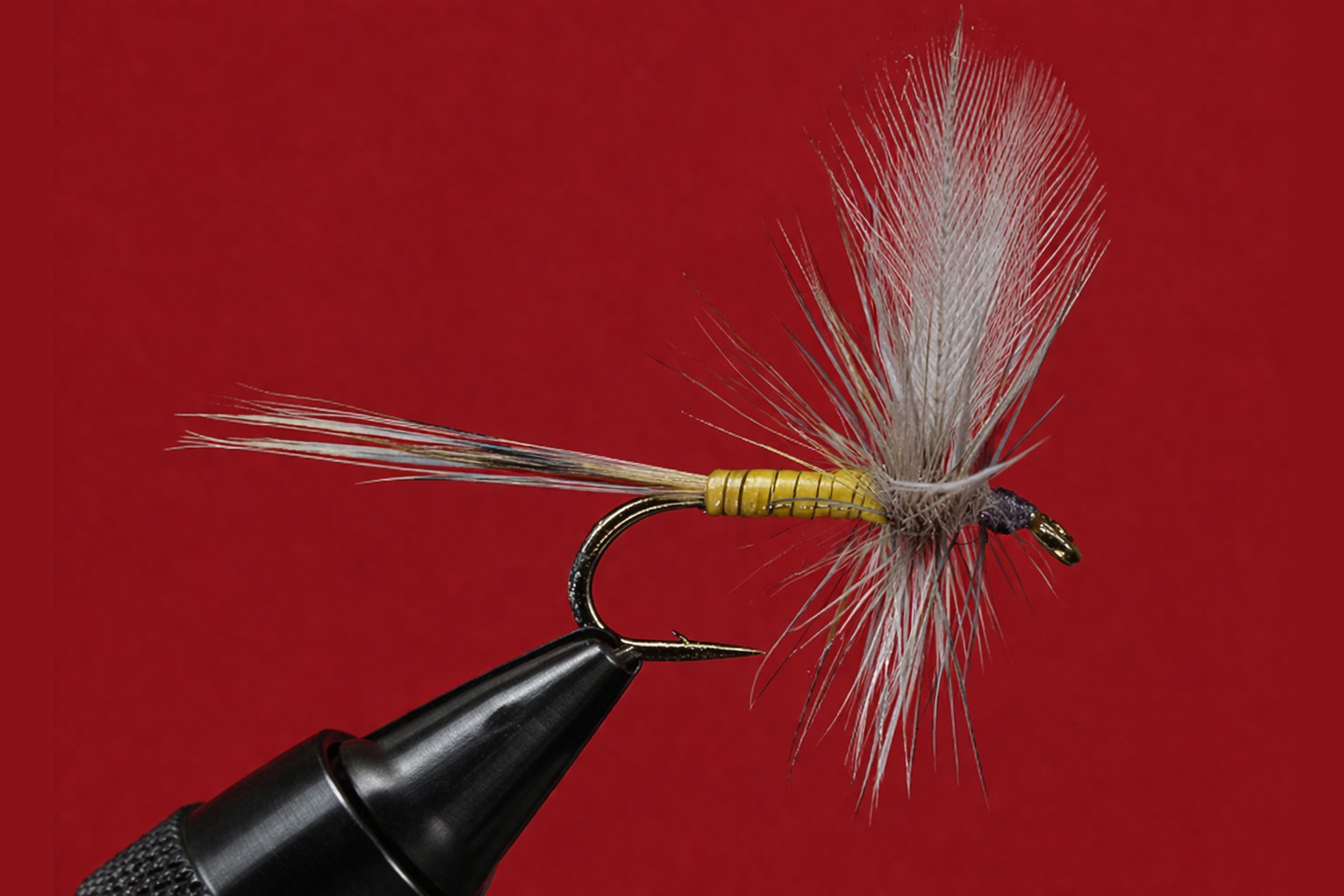
dry flies
A slim mayfly dry that gives trout boxes a reliable small-profile surface option.
Why it matters
It gives the library a clean mayfly anchor that stays easy to trust and easy to organize.
When it fits
Use it when trout are feeding near the surface and a smaller mayfly look belongs in the mix.
Guide
A practical Blue Wing Labs guide to beginner fly patterns that stay useful, understandable, and worth keeping in a first trout box.
Guide
A broad roundup of trout flies worth knowing, from classic dries and nymphs to streamers, emergers, and terrestrials.
Guide
A practical guide to trout nymphs that cover slim confidence patterns, classic searching flies, and modern tactical options.
Guide
An organized guide to trout dry flies that balance hatch matching, surface confidence, visibility, and season-long usefulness.
Beginner-friendly patterns usually stay easy to understand, easy to organize, and useful often enough that tying or fishing them teaches something repeatable instead of one narrow trick.
A balanced starter box is usually better. One or two dependable flies from several categories teaches pattern logic faster than stacking a box with only one style.