Why it matters
It gives the streamer category a simple, modern classic shape that feels useful across more than one fishery.
Fly pattern
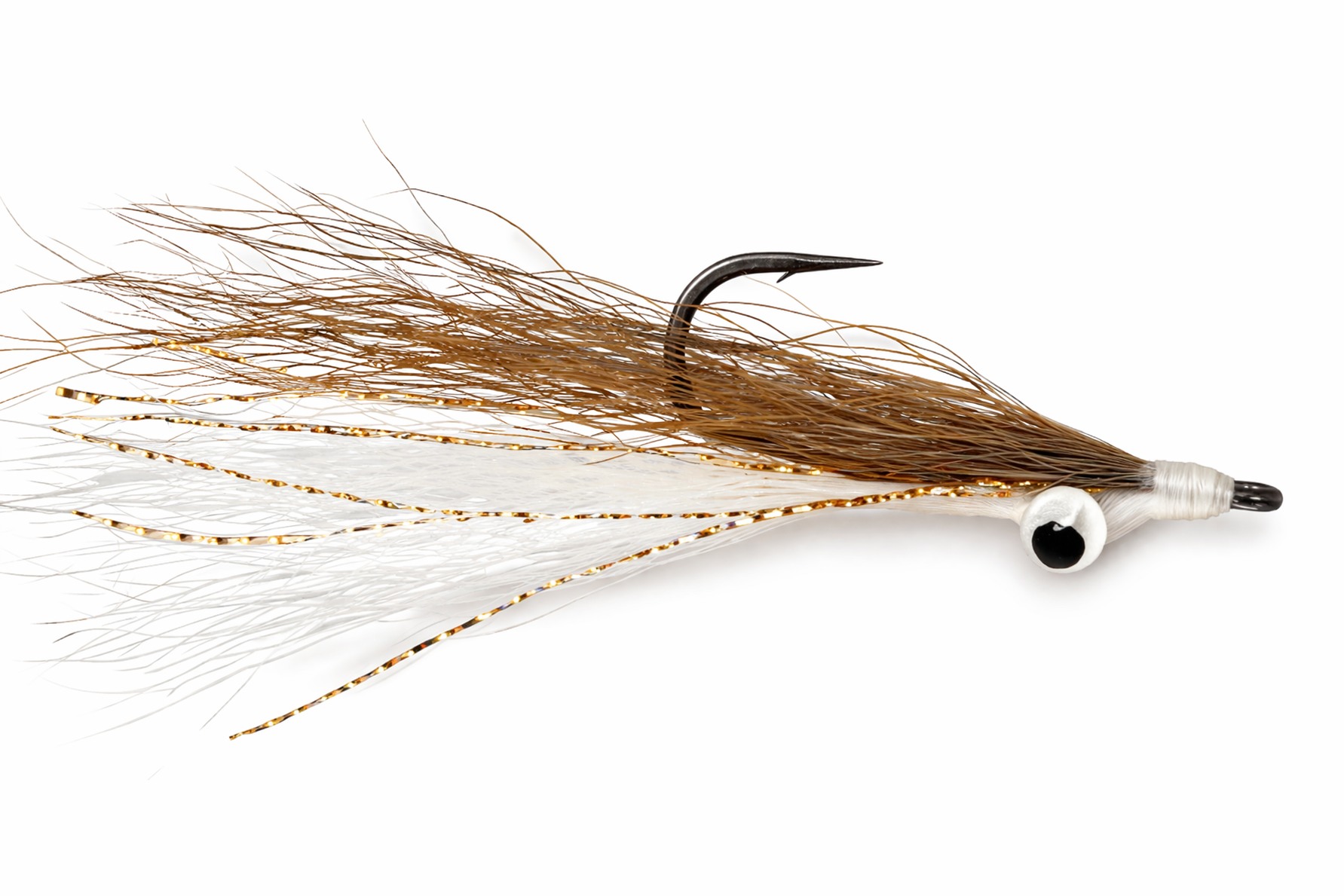
A durable baitfish streamer that teaches bucktail control, inverted hook balance, and clean spacing around dumbbell eyes.
A confidence searching streamer with practical structure
This page is structured to stay useful as a real reference source: what the fly is, where it fits, what materials or steps are publicly available, why anglers keep it around, and where to go next in the Blue Wing Labs knowledge graph.
Why it matters
It gives the streamer category a simple, modern classic shape that feels useful across more than one fishery.
When to use it
Use it when you want a cleaner baitfish profile and a straightforward streamer decision.
Category
This section brings over the same recipe-shape context the app uses: hook guidance, core material logic, substitutions, and tying-sequence checkpoints.
Hook
#2-8 • The canonical recipe uses the inverted deep-minnow style with weighted eyes and layered bucktail.
Core materials
flat waxed thread, lead dumbbell or bead-chain eyes, white bucktail belly, chartreuse, olive, or tan bucktail wing, pearl flash accent
Substitutions
Bead-chain eyes for lighter shallow-water versions, Olive or tan top wing in place of chartreuse
Sequence
Secure the eyes slightly behind the hook eye, Tie in a sparse white bucktail belly, Add lateral flash on the sides, Invert the hook and tie in the top bucktail wing behind the eyes, Build a compact head and finish the thread cleanly
This section keeps the explanation practical and source-backed, using the structured library data plus broad category context without inventing unsupported technical detail.
Overview
A durable baitfish streamer that teaches bucktail control, inverted hook balance, and clean spacing around dumbbell eyes.
Context
Clouser Minnow sits in the streamers section of the Blue Wing Labs public library, where it helps anglers compare related patterns without losing track of the bigger category. A streamlined baitfish-style pattern with broad searching utility.
Context
A confidence searching streamer with practical structure. In practical terms, it supports movement, profile, and stronger searching passes while staying easy to place inside a more organized fly box.
Context
Blue Wing Labs frames this pattern around a few repeatable checkpoints: How to place dumbbell eyes so the fly tracks true and rides hook point up; How to stack bucktail in clean layers without letting the head get bulky.
Context
Because Clouser Minnow is also treated as a classic pattern in the library, it works as both a fishing fly and a reference point for understanding how this category is supposed to look and behave.
The public site only states broad usage windows, but those windows still help anglers keep the fly in the right part of the mental and physical box.
Use it when you want a cleaner baitfish profile and a straightforward streamer decision.
When fish are chasing minnows or you need a streamer that sinks quickly.
River ledges, lakeshores, and current breaks where bait gets pushed around.
At the category level, streamers shine when anglers want to cover water, move fish, or fish a stronger profile with intent.
These points focus on the fly's role, visibility, versatility, and category logic rather than overly specific claims the public dataset does not support.
Fishing condition insight
River ledges, lakeshores, and current breaks where bait gets pushed around.
Imitates
Small baitfish with a jigging, inverted profile that stays hook-point up.
Where it excels
River ledges, lakeshores, and current breaks where bait gets pushed around.
Common mistakes
Stripping too fast without letting the fly drop between pulls.
When the app includes a lesson video, the public page links to it directly so anglers can move from reference reading into step-by-step watching.
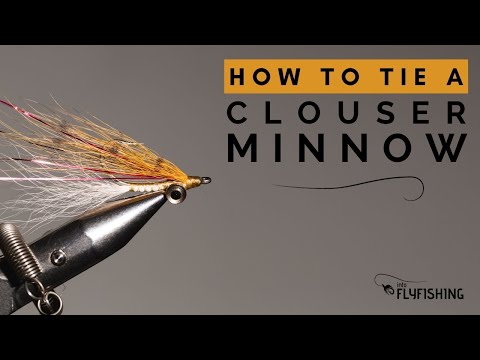
Blue Wing Labs lesson
Open the linked lesson to compare the public recipe, the tying sequence, and the app's guided teaching flow for Clouser Minnow.
Watch the video lessonThese materials come from the app-backed fly record when available, which lets the public page mirror the practical tying list more closely.
Material readiness
Lay out the core streamers materials before starting so the fly stays balanced and the sequence feels calmer once the vise is loaded.
Material
Streamer or saltwater hook
Size 2-8
Material
Flat-waxed nylon thread
White or chartreuse
Material
Lead dumbbell or bead-chain eyes
Weight and keel
Material
White bucktail
Belly wing
Material
Chartreuse, olive, or tan bucktail
Top wing
Material
Pearl Krystal Flash
Lateral flash
The website now uses the app-backed step list where available so the public page follows a fuller tying sequence instead of only a short summary.
Common tying mistake
Stripping too fast without letting the fly drop between pulls.
Step 1
Start the thread slightly behind the eye and secure the dumbbell eyes with firm figure-eight wraps.
Step 2
Carry the thread to the bend and tie in a sparse bunch of white bucktail.
Step 3
Add a few strands of flash along each side if you want extra sparkle.
Step 4
Return to the eyes and bind down the underwing so the profile stays slim.
Step 5
Invert the hook and tie in the top bucktail just behind the eyes.
Step 6
Flip the fly back upright and pinch the upper bucktail in place so the overwing stays directly above the white belly.
Step 7
Add a few more figure-eight and posting wraps around the dumbbell eyes until they are fully locked and level.
Step 8
Trim the bucktail butts and smooth them into a short tapered head behind the eye.
Step 9
Whip finish securely at the eye with the hook riding point-up under the eyes.
Step 10
Check that the finished Clouser tracks straight and balanced, with the top and bottom wings staying slim and sparse.
The public fly library does not invent named variations where the source data is thin. Instead, it connects this pattern to nearby flies so anglers can see the surrounding shape of the category.
Comparison note
Clouser Minnow also carries app recipe notes around common variants, and it connects the pattern to nearby flies like Parachute Adams, Elk Hair Caddis, and Pheasant Tail Nymph. Those comparisons help anglers understand how the fly sits inside streamers without inventing unsupported detail.
Variant note
Freshwater versions often use lighter bead-chain eyes Saltwater builds may use larger hooks and stiffer bucktail stacks
dry flies
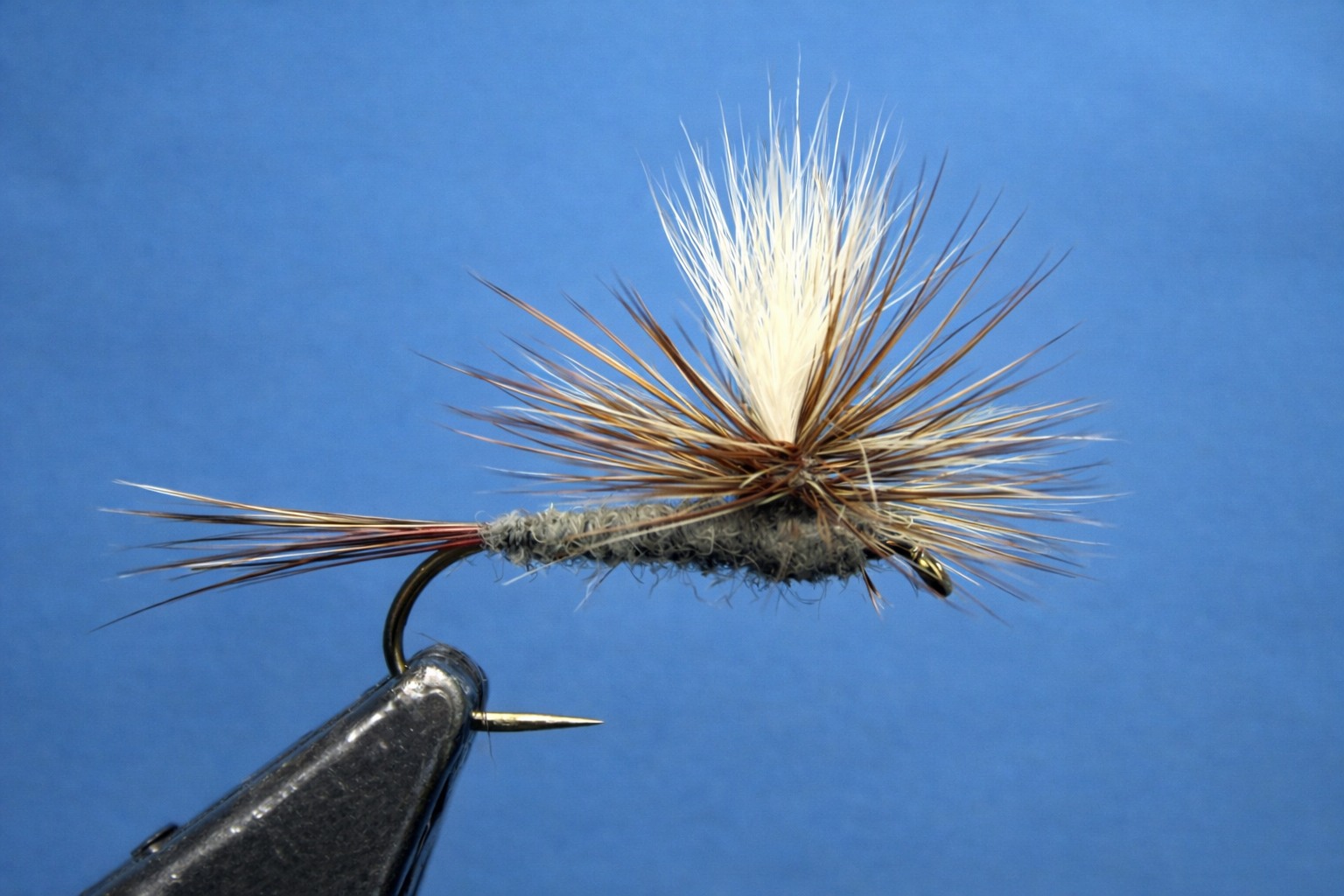
A visible attractor dry that remains one of the easiest all-around trout patterns to keep in a box.
Why it matters
It is a benchmark confidence fly that helps anglers cover a lot of water without overthinking the surface game.
When it fits
Use it when you want a dependable dry that feels broad, visible, and easy to fish with confidence.
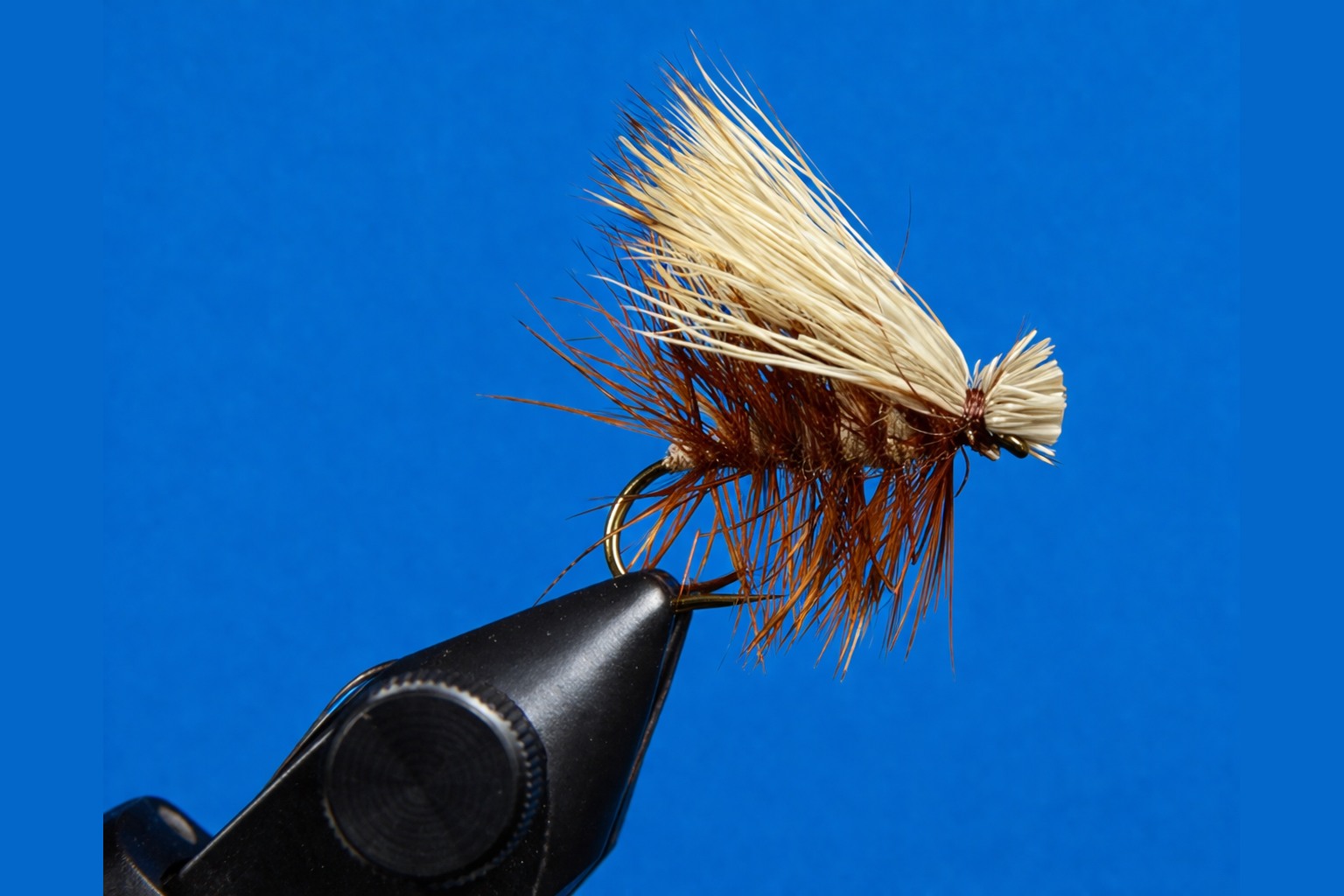
dry flies
A practical caddis dry that stays visible, buoyant, and easy to keep in rotation.
Why it matters
It gives the box a simple caddis anchor that still feels useful across a wide range of trout water.
When it fits
Use it when caddis are in the conversation or when you want a visible, fishable dry that is easy to read.
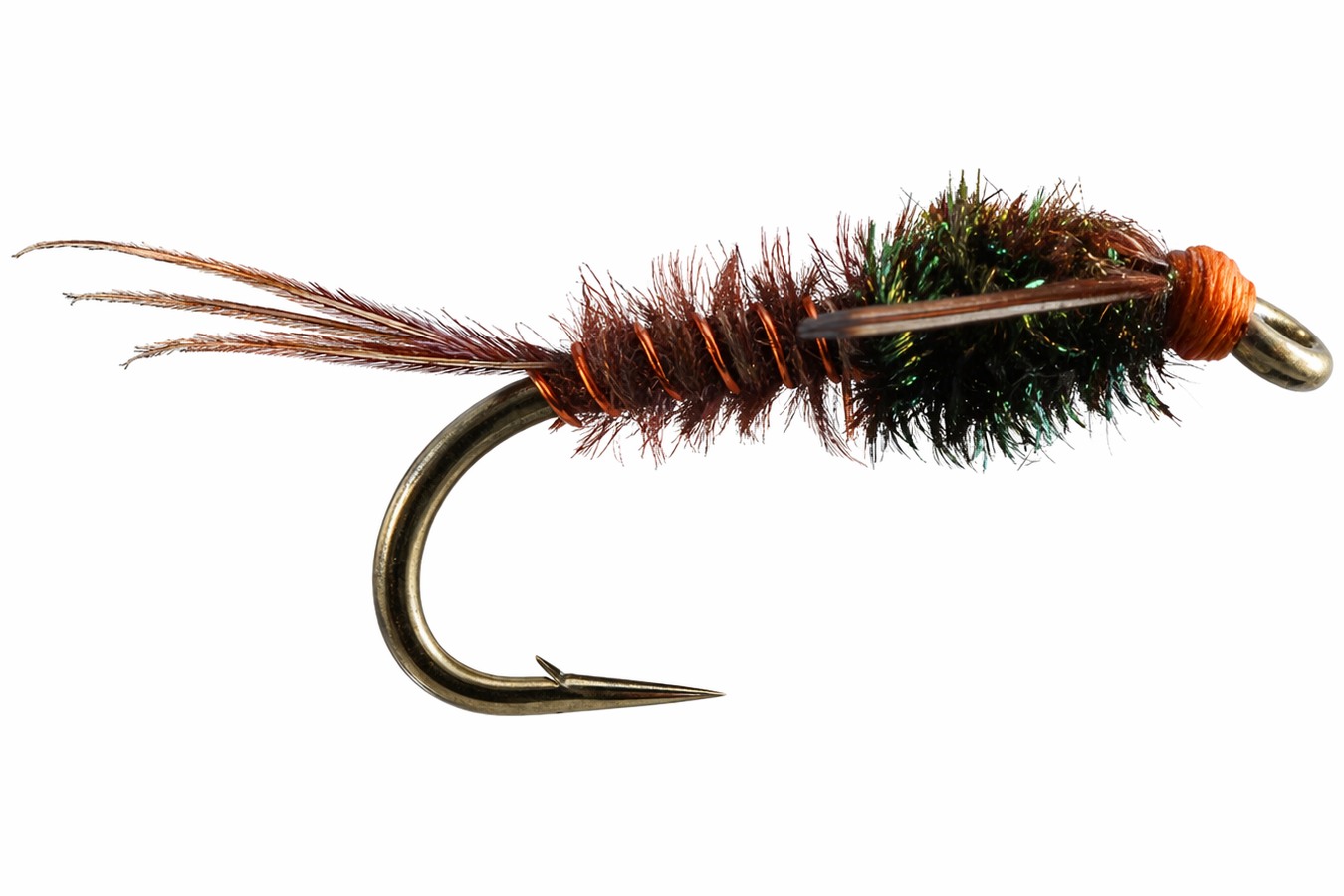
nymphs
A classic mayfly nymph that belongs in almost every organized trout library.
Why it matters
It teaches category logic while still covering real day-to-day trout fishing.
When it fits
Use it when you want a dependable mayfly-leaning nymph that never feels out of place.
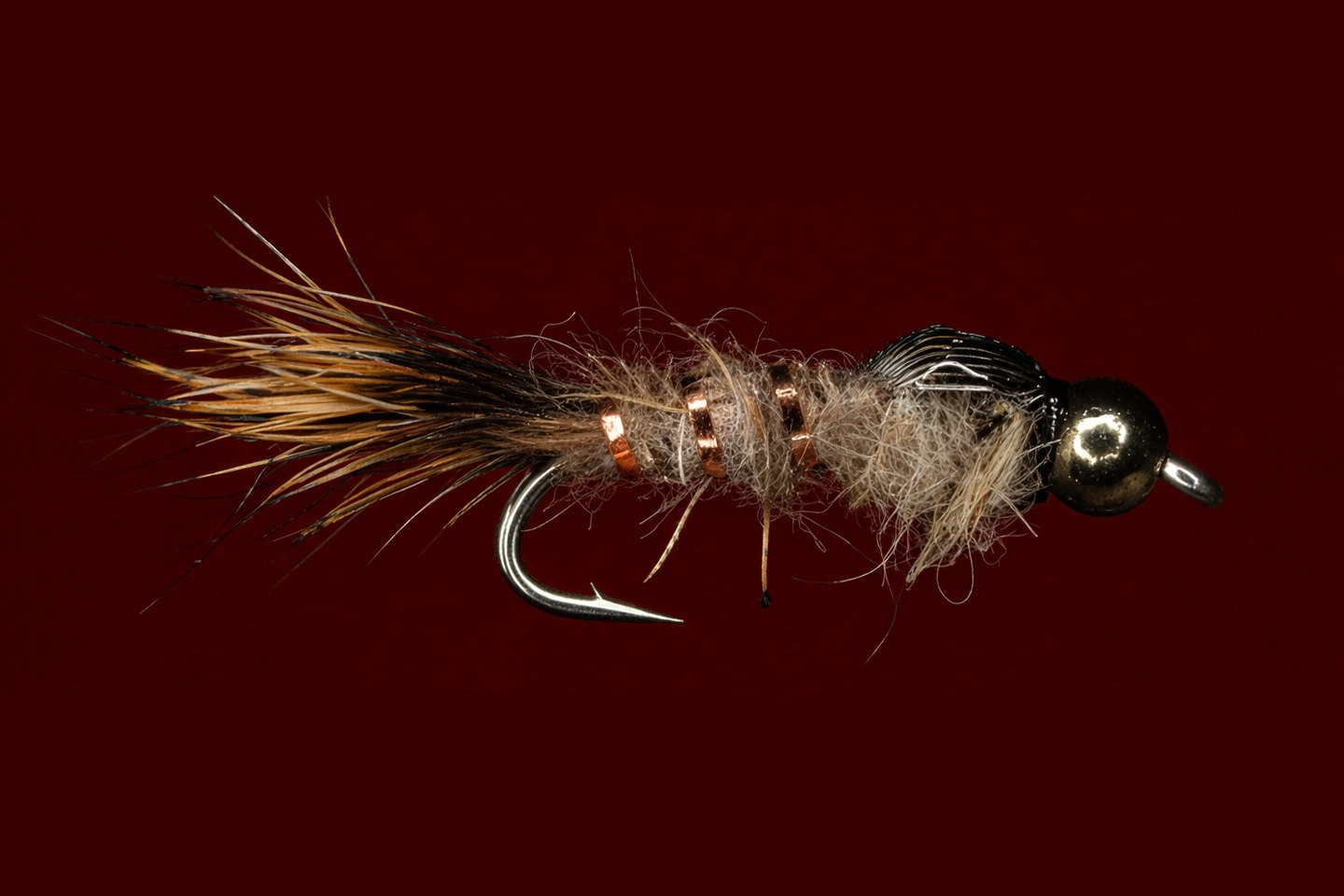
nymphs
An all-purpose searching nymph that keeps the trout box broad without becoming confusing.
Why it matters
It pairs well with slimmer nymphs and helps cover general searching situations cleanly.
When it fits
Use it when you want a nymph with broad utility and classic box value.
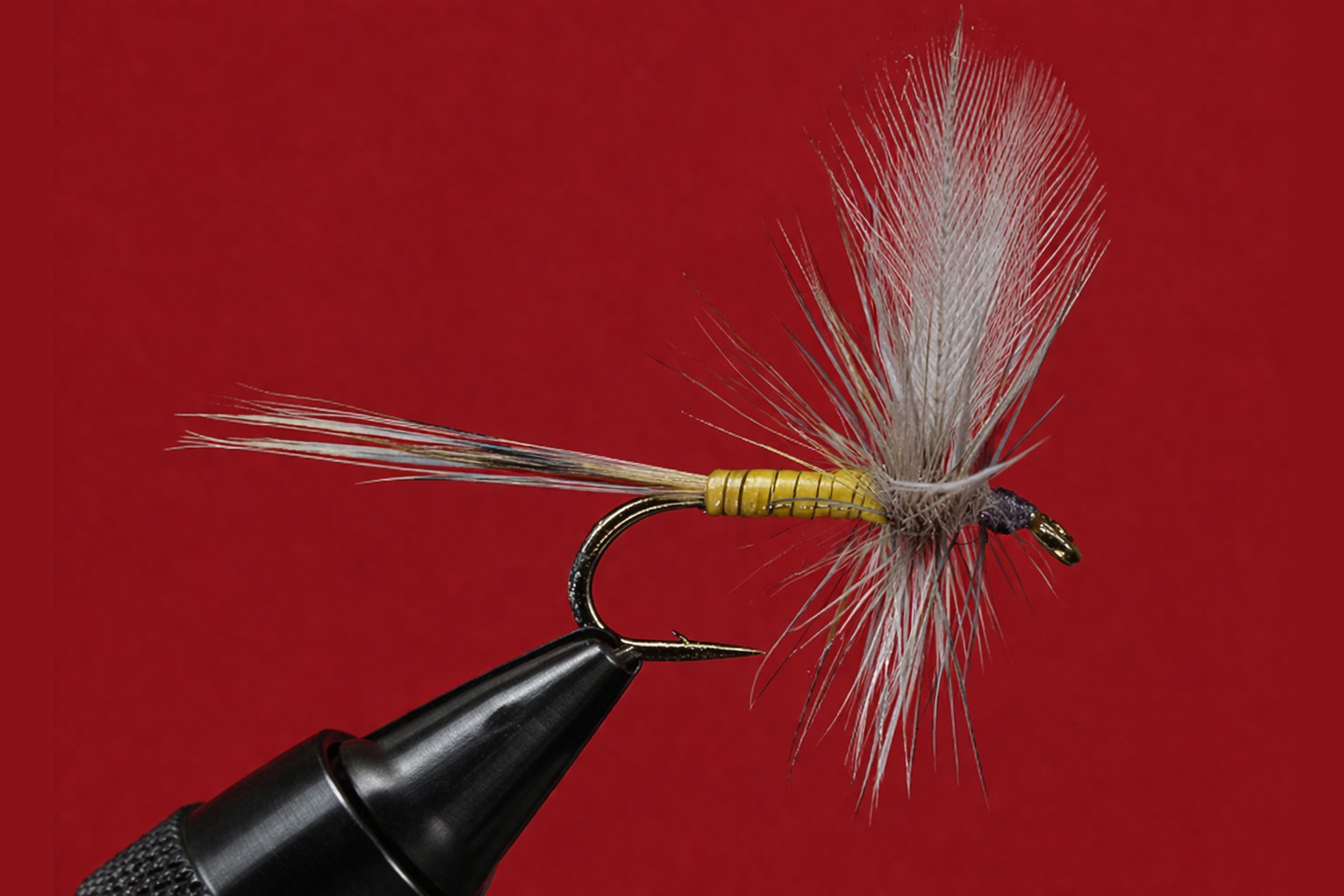
dry flies
A slim mayfly dry that gives trout boxes a reliable small-profile surface option.
Why it matters
It gives the library a clean mayfly anchor that stays easy to trust and easy to organize.
When it fits
Use it when trout are feeding near the surface and a smaller mayfly look belongs in the mix.
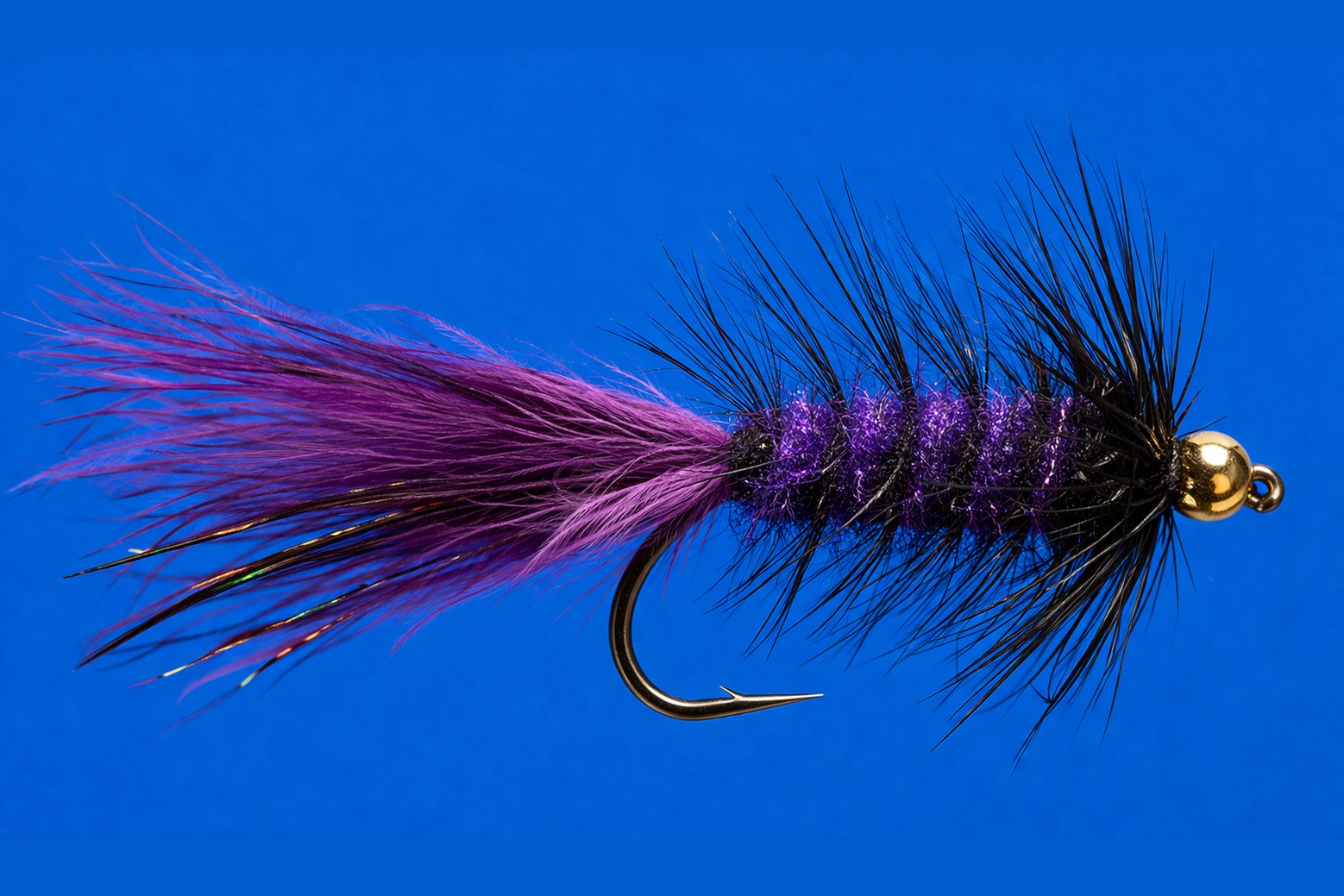
streamers
A classic streamer that covers a huge amount of practical fishing with very little extra explanation.
Why it matters
Few flies are as useful for both beginner tying and long-term fly-box value.
When it fits
Use it when you want a first-stop streamer that can prospect and cover water almost anywhere.
These guides connect the pattern back into broader beginner, trout, seasonal, and category-level decisions.
Guide
A broad roundup of trout flies worth knowing, from classic dries and nymphs to streamers, emergers, and terrestrials.
Guide
A clear guide to streamer patterns that earn space through movement, versatility, and practical trout-box value.
Guide
A guide to versatile fly patterns that keep earning box space because they stay useful across seasons, water types, and trout situations.
Guide
A guide to classic fly patterns every angler should recognize, organize, and understand before the box gets too modern or too crowded.
Guide
A practical fly-box stocking guide built around coverage, category balance, and patterns that earn their place over time.
Guide
A broad knowledge guide to fly patterns every angler should recognize, whether the goal is tying confidence, box organization, or trout coverage.
Clouser Minnow is grouped under streamers in the Blue Wing Labs knowledge hub so anglers can compare it with related patterns and broader category guidance.
Use it when you want a cleaner baitfish profile and a straightforward streamer decision.
Yes. Clouser Minnow is marked as beginner-friendly in the public library, which means it is one of the clearer patterns to learn, organize, and return to later.
It gives the streamer category a simple, modern classic shape that feels useful across more than one fishery.
Stripping too fast without letting the fly drop between pulls.