Clear box role
Each fly here solves a recognizable job instead of only adding another name to memorize.
Guide
Western trout boxes often need range without losing clarity. These patterns help build that range by covering visible dries, technical nymphs, summer terrestrials, and streamers that still feel rooted in practical everyday use.
Each fly here solves a recognizable job instead of only adding another name to memorize.
The list favors patterns anglers can return to across real sessions, not one-off novelties.
Every recommendation links to a fly page, category page, or related guide so the article behaves like a reference system.
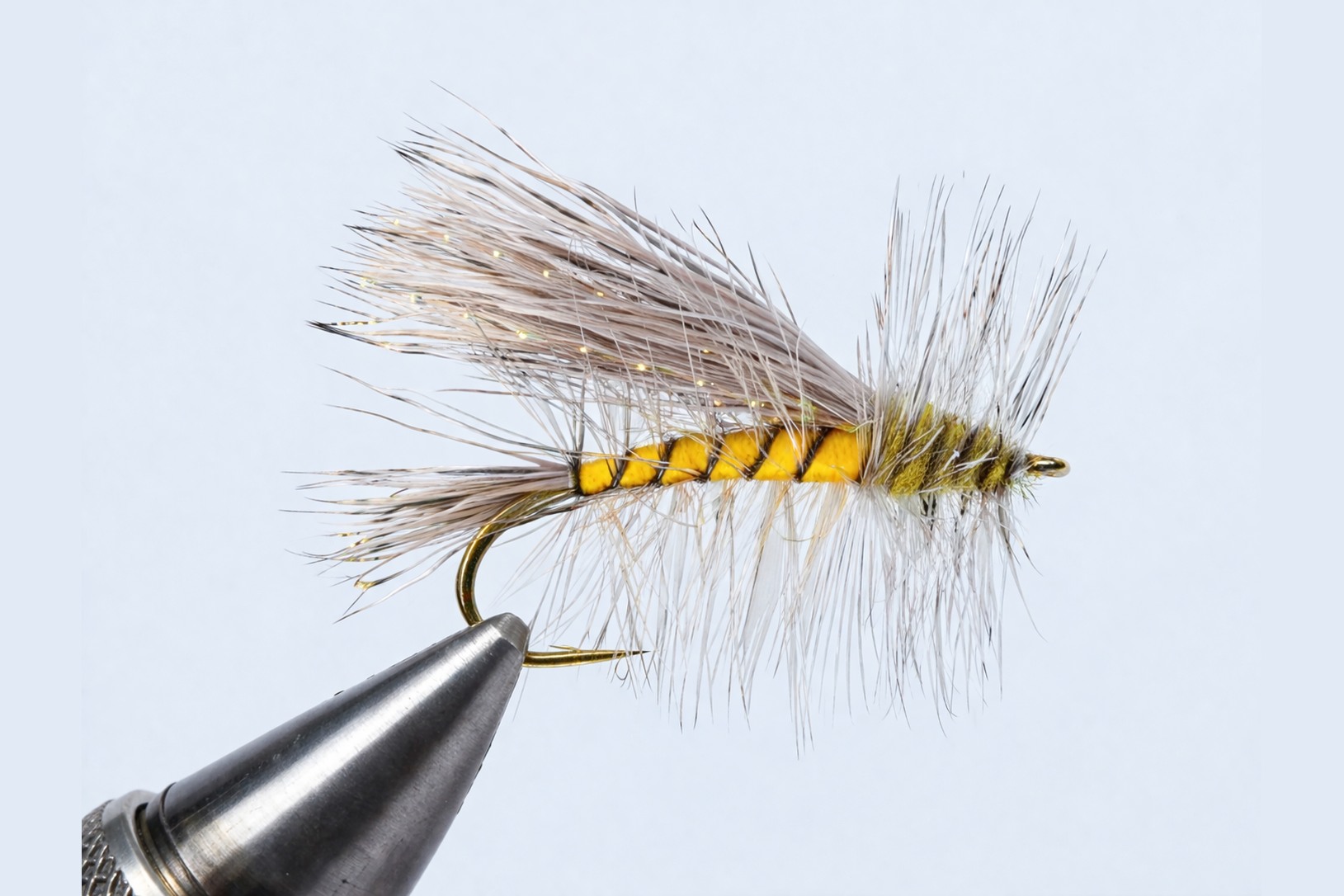
dry flies
A larger attractor dry that brings visibility and a stronger footprint to the surface.
Why it matters
It gives anglers an easy-to-see dry when smaller patterns feel too quiet.
When it fits
Use it in faster water, western-style dry-fly fishing, or whenever visibility matters.
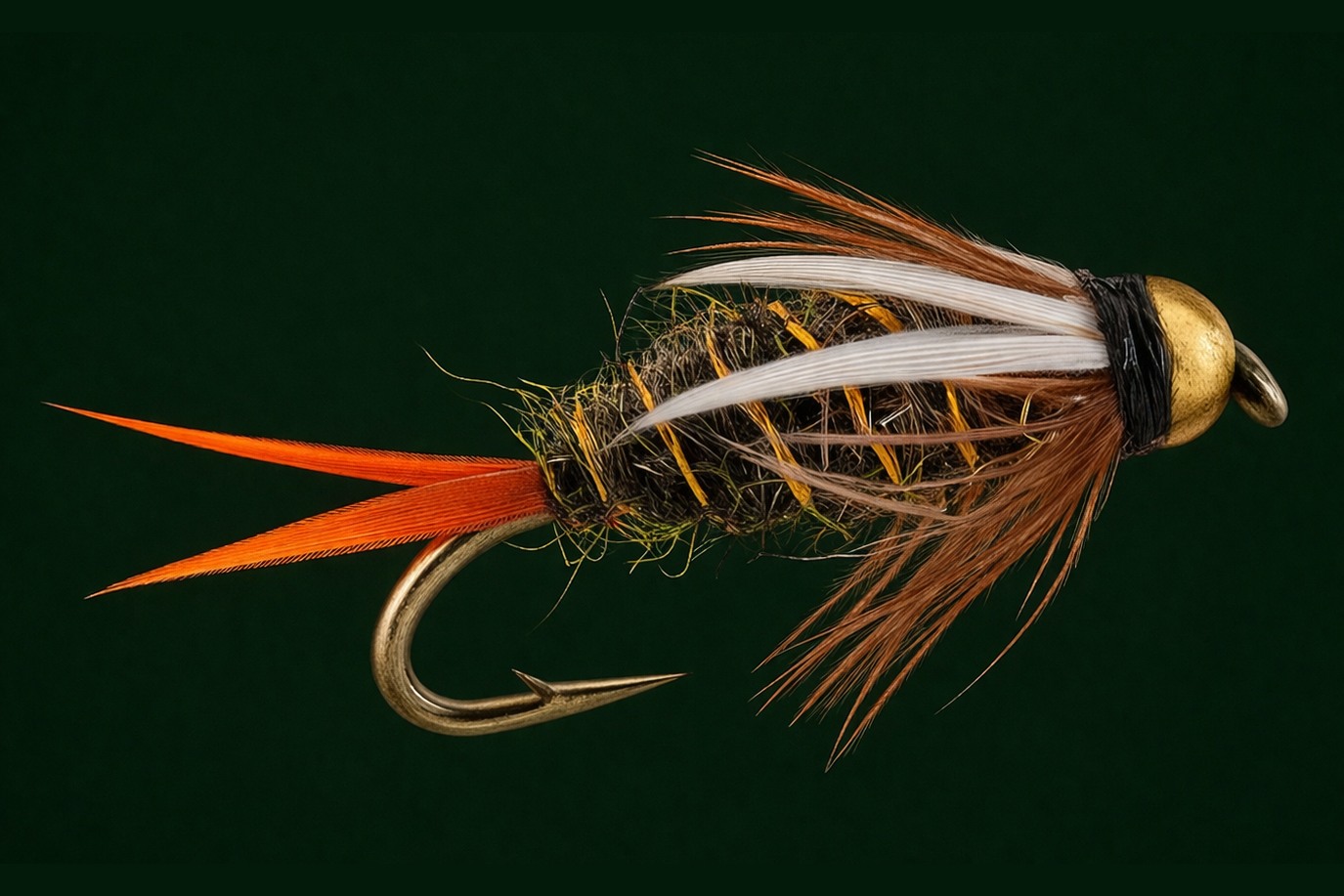
nymphs
A more visible nymph that adds contrast and searching value to the subsurface row.
Why it matters
It gives the nymph box a recognizable pattern with more presence than tiny technical flies.
When it fits
Use it when you want a nymph with a stronger silhouette and a more assertive searching role.
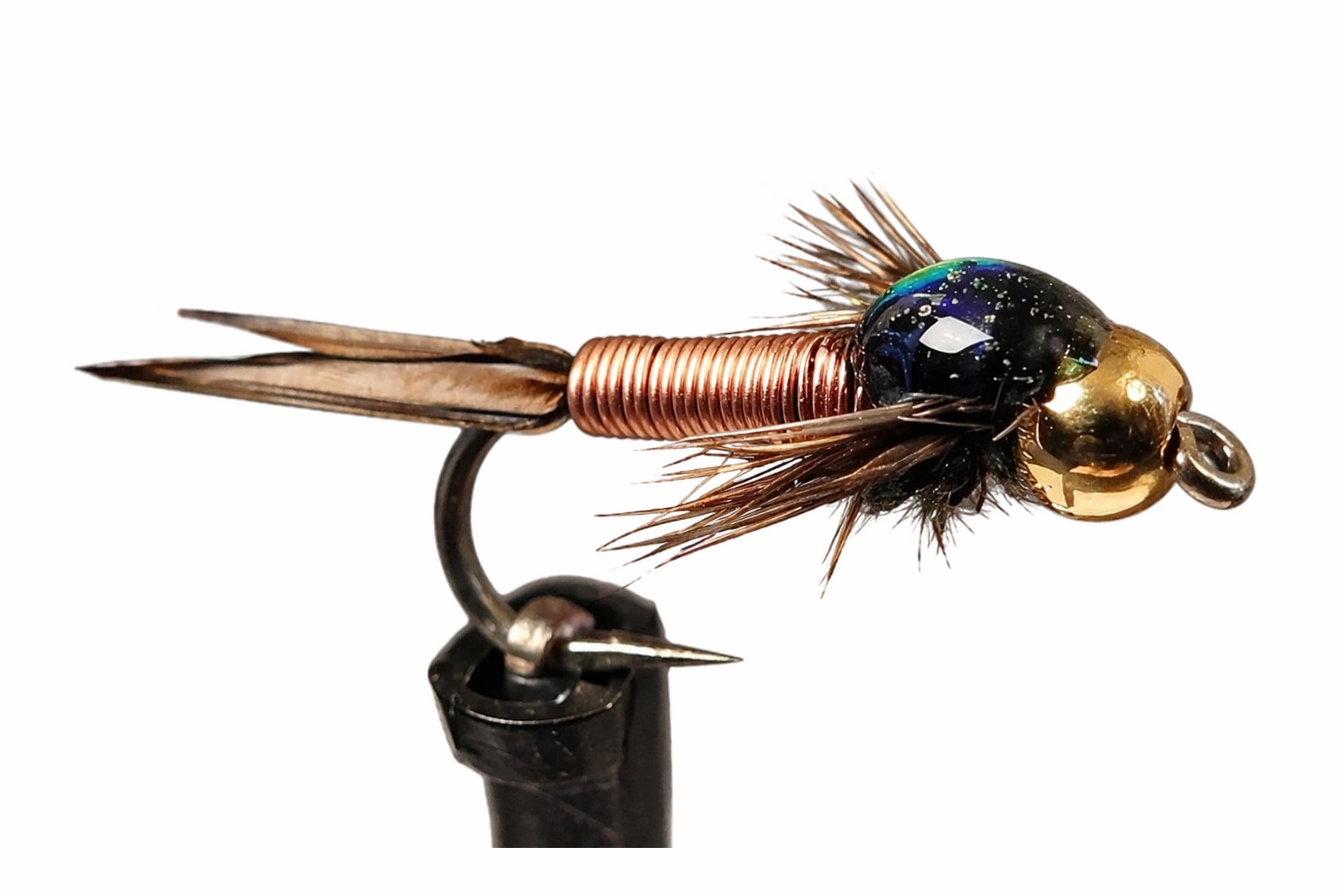
nymphs
An attractor-style nymph that adds a bolder subsurface option to the lineup.
Why it matters
It balances softer classics with a more assertive fly that is still easy to understand.
When it fits
Use it when you want a nymph with more presence than a slim technical pattern.
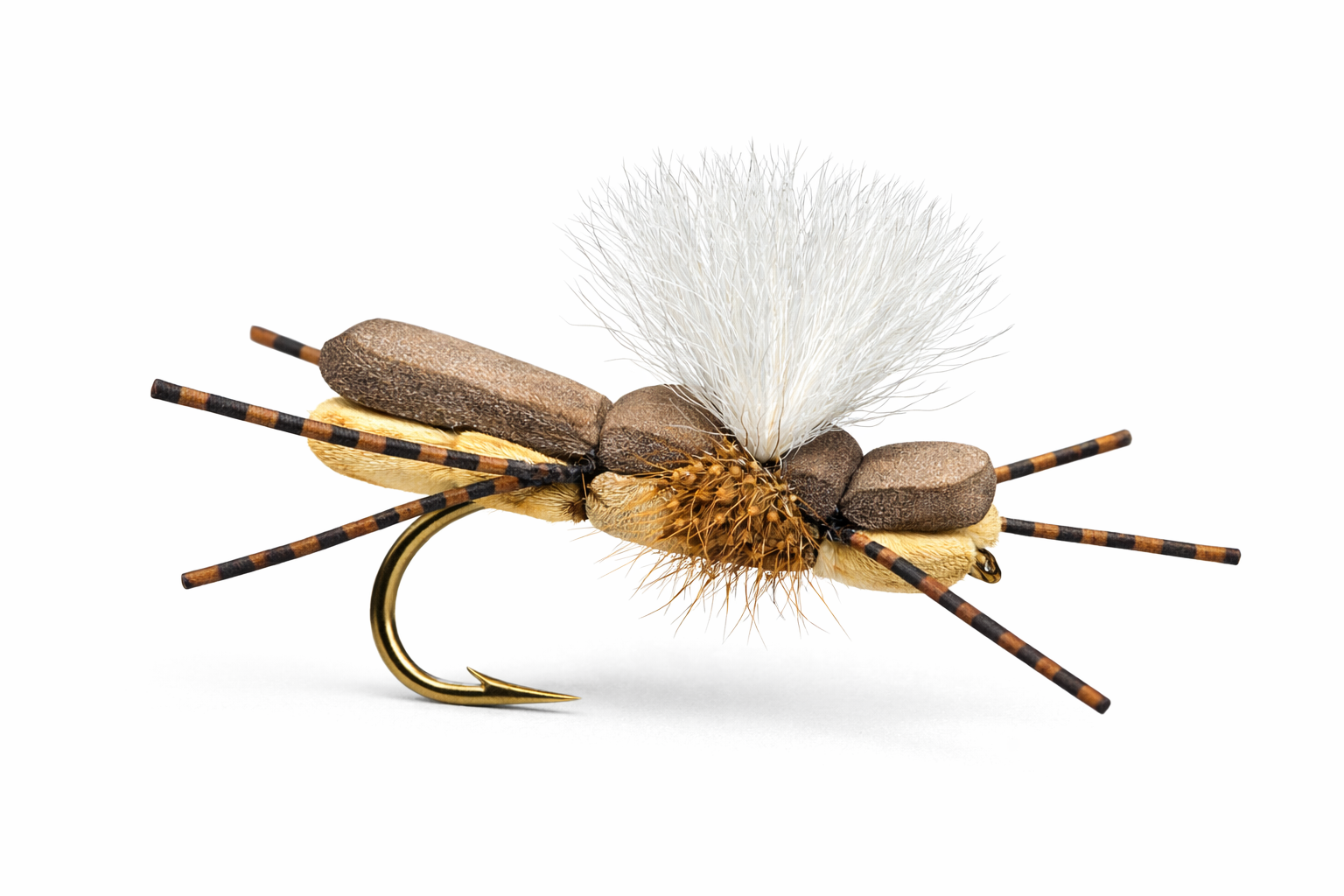
terrestrials
A high-floating terrestrial and attractor that keeps summer boxes visible and simple.
Why it matters
It gives anglers a confidence fly that is easy to see and easy to organize around.
When it fits
Use it when you want a visible terrestrial with broad summer utility.
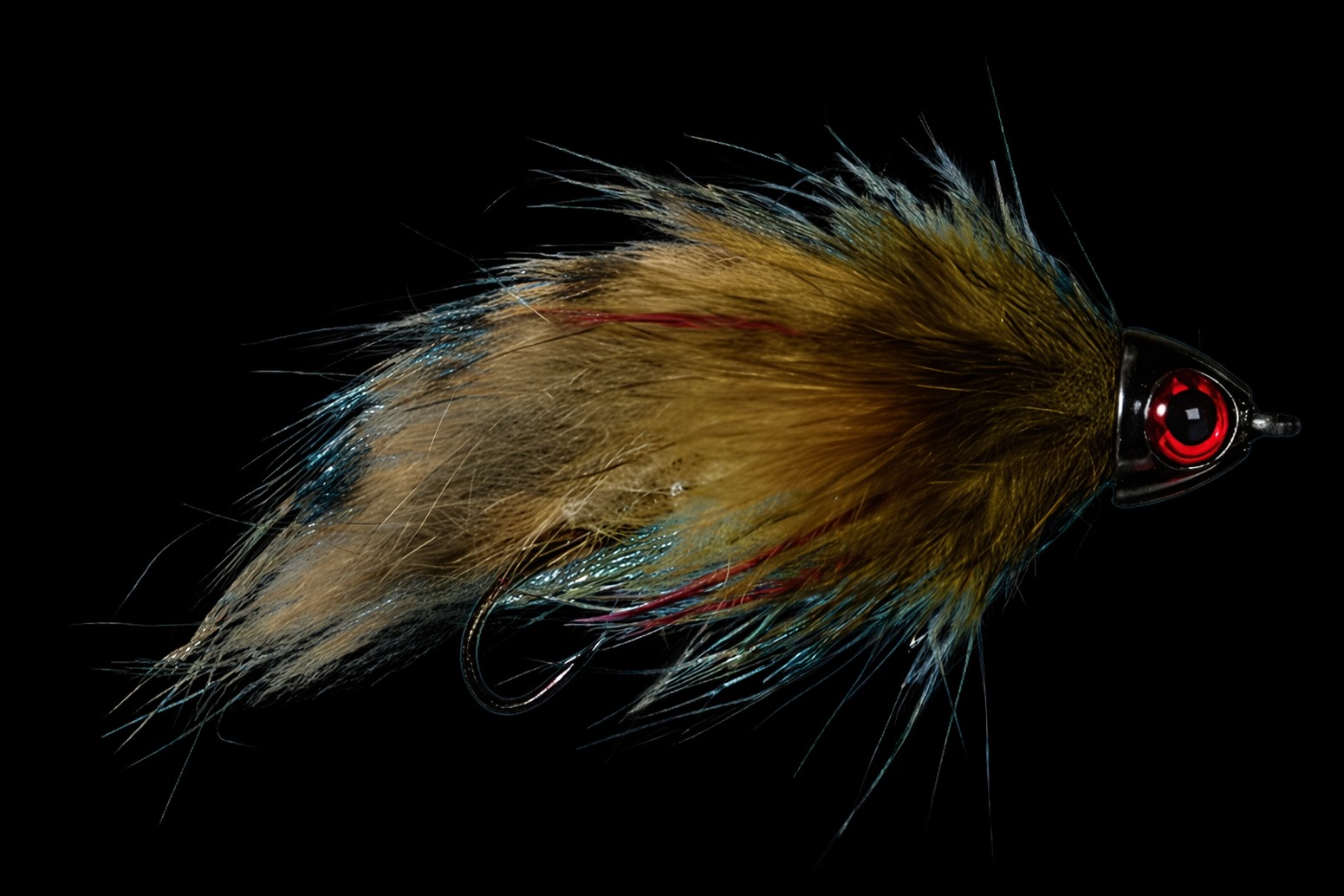
streamers
A sculpin-style streamer that adds a stronger bottom-oriented profile.
Why it matters
It gives trout boxes a bigger-meal option without making the whole streamer row bulky.
When it fits
Use it when a sculpin-leaning streamer belongs in the plan.
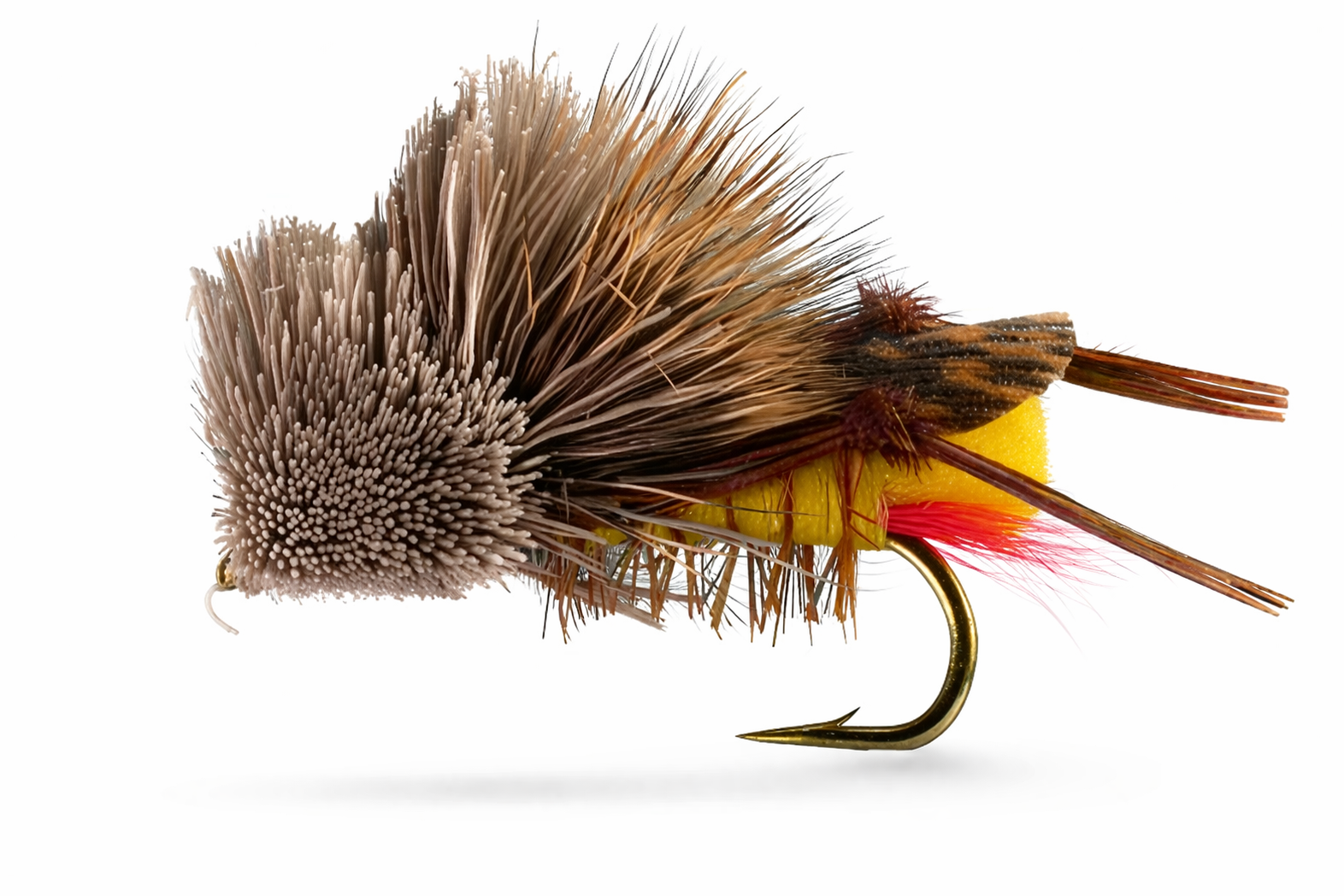
terrestrials
A classic hopper that gives the terrestrial row more seasonal depth.
Why it matters
It keeps traditional hopper logic visible inside a modern organized box.
When it fits
Use it during hopper season when you want a classic western-style terrestrial.
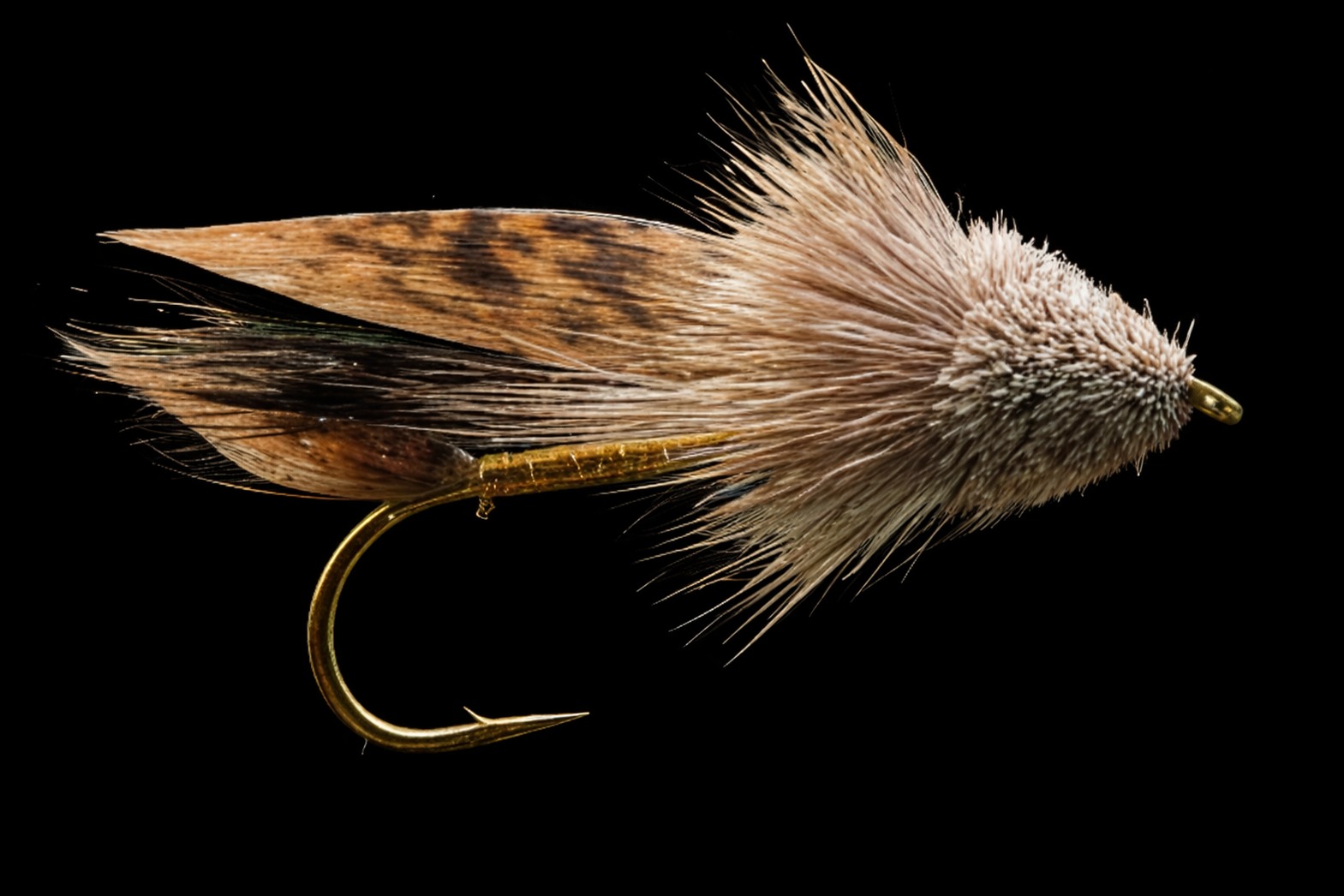
streamers
A classic streamer that keeps a stronger silhouette and more traditional look in the row.
Why it matters
It broadens streamer coverage beyond only bugger and baitfish logic.
When it fits
Use it when you want a traditional streamer profile with enough presence to stand apart.
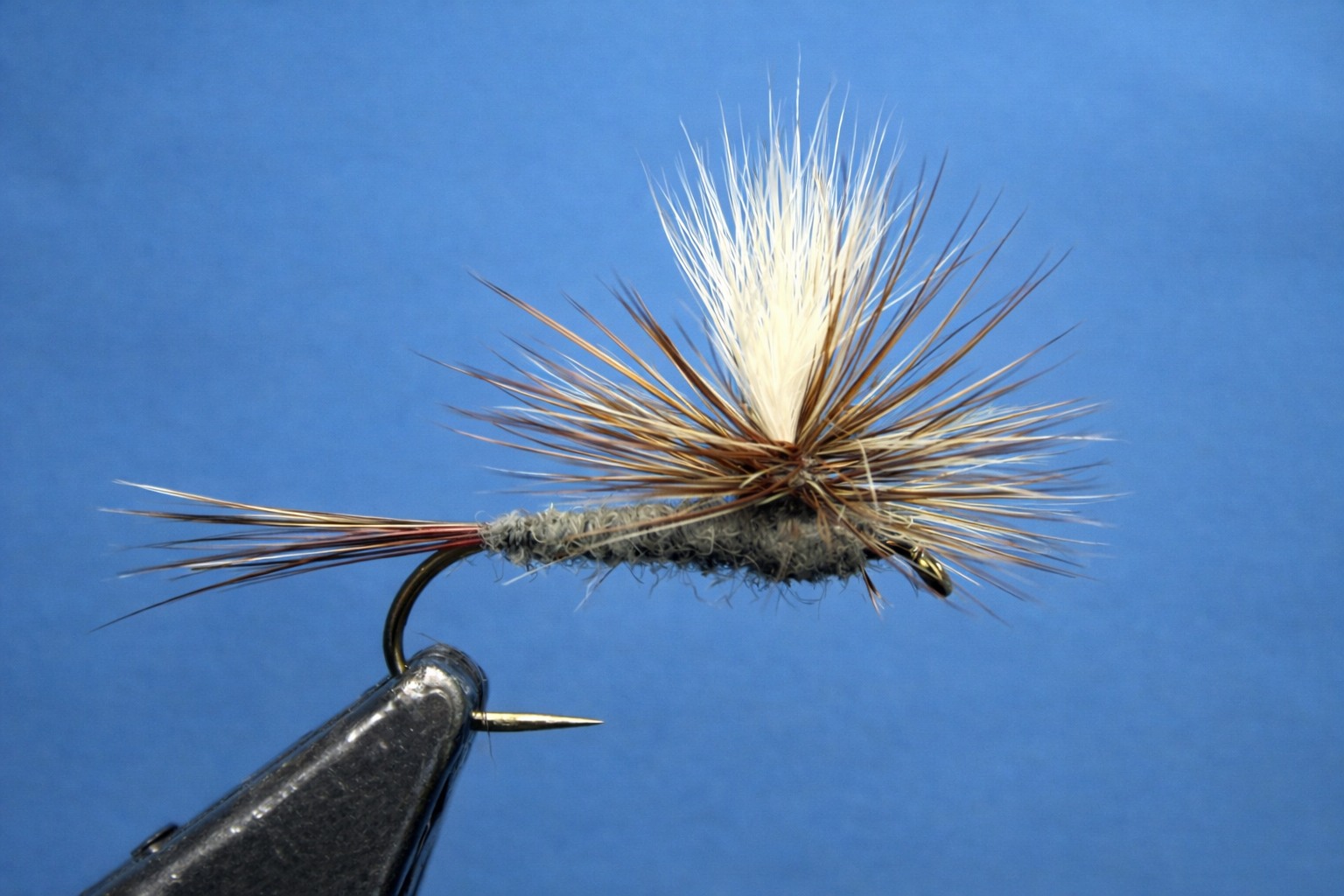
Guide
A broad roundup of trout flies worth knowing, from classic dries and nymphs to streamers, emergers, and terrestrials.
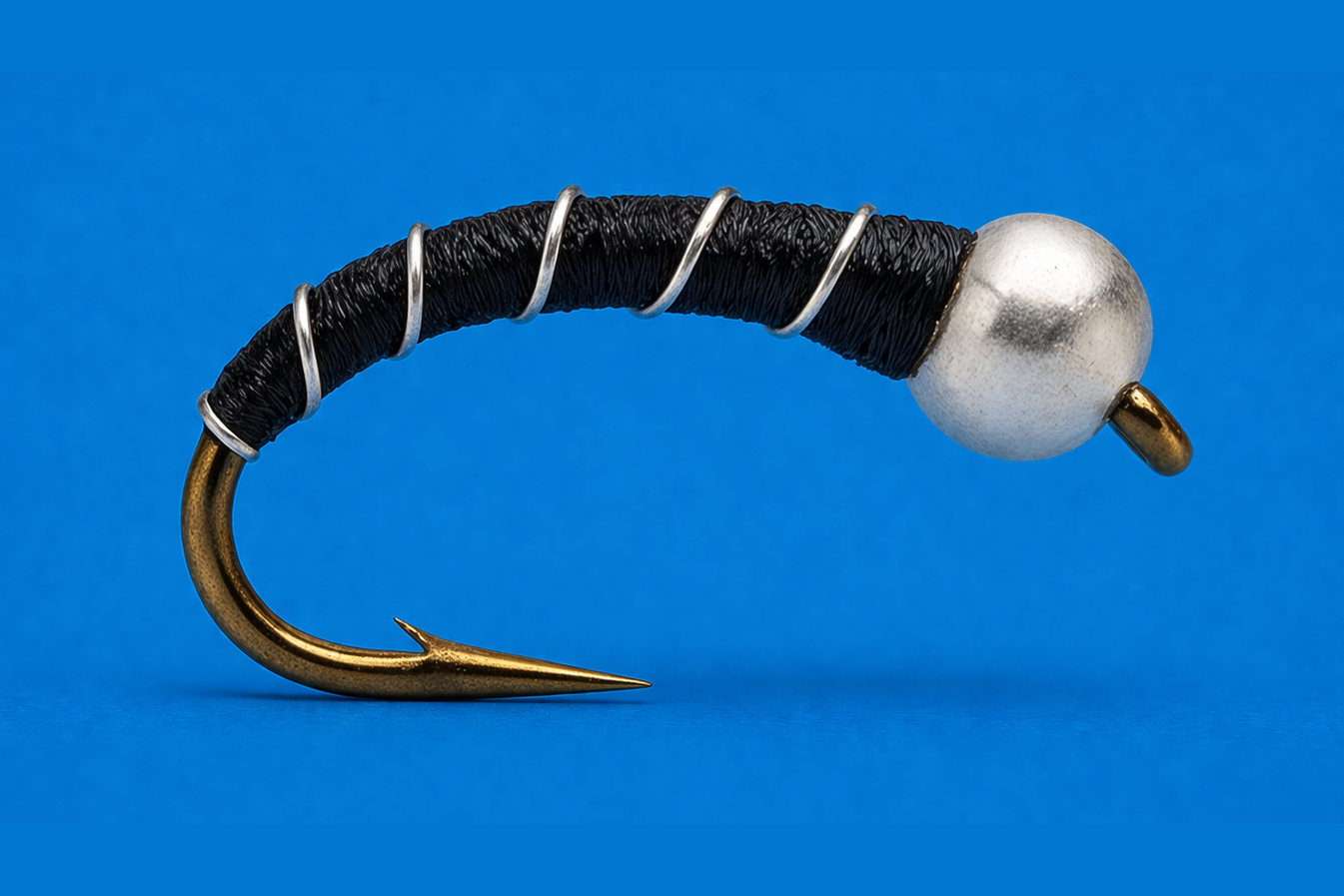
Guide
A practical guide to trout nymphs that cover slim confidence patterns, classic searching flies, and modern tactical options.
Guide
An organized guide to trout dry flies that balance hatch matching, surface confidence, visibility, and season-long usefulness.
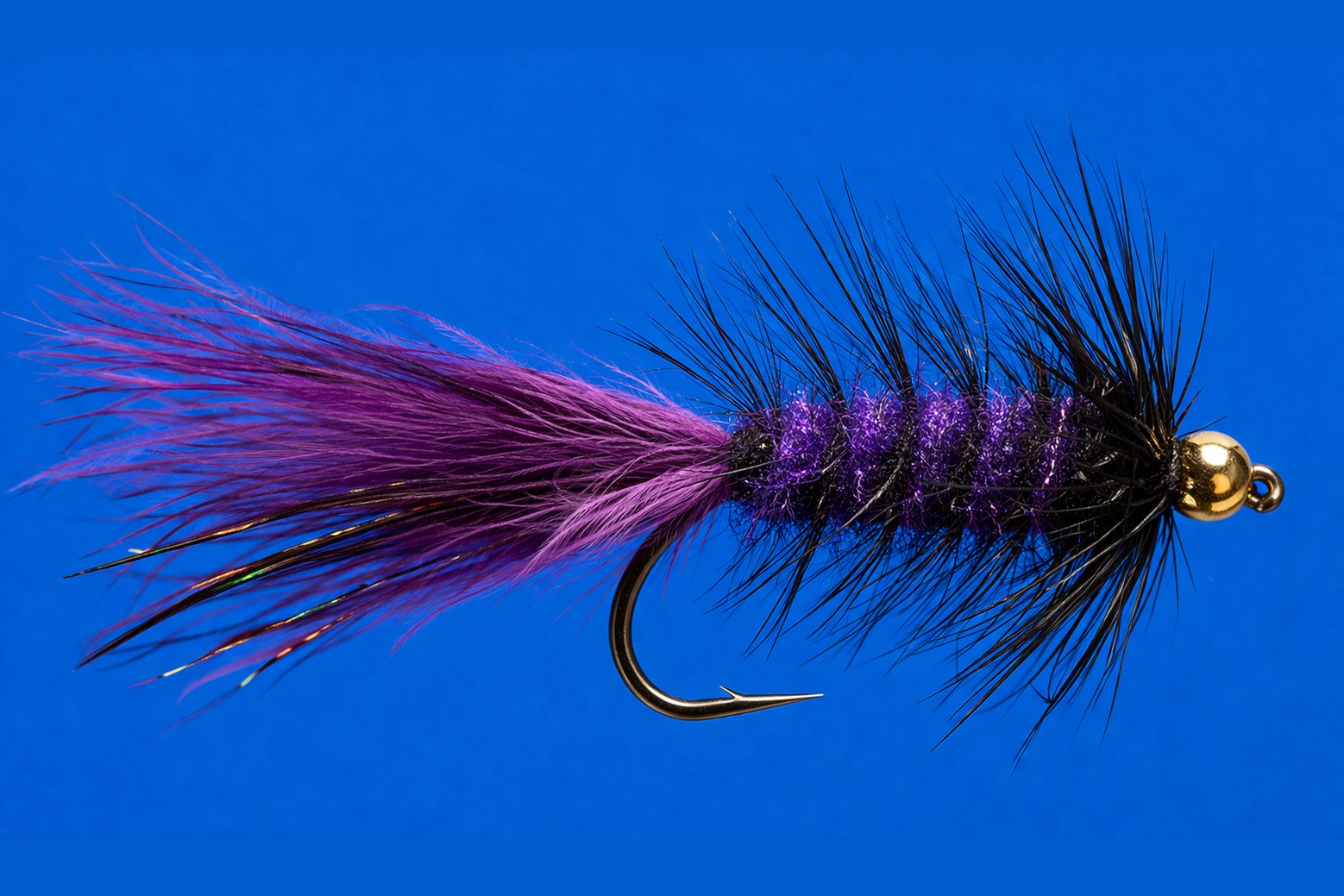
Guide
A clear guide to streamer patterns that earn space through movement, versatility, and practical trout-box value.
Not many. A smaller group of dependable flies that cover dries, nymphs, streamers, and seasonal terrestrials usually stays more useful than an oversized box with no organizing logic.
Because a box only helps if you can find and trust the right pattern when conditions change. That is one reason Blue Wing Labs focuses so heavily on structure and retrieval.