Clear box role
Each fly here solves a recognizable job instead of only adding another name to memorize.
Guide
Terrestrial boxes should feel intuitive. These flies give anglers a straightforward summer lineup with enough range to cover banks, meadow water, and high-visibility dry-fly decisions without creating a category that is bigger than it needs to be.
Each fly here solves a recognizable job instead of only adding another name to memorize.
The list favors patterns anglers can return to across real sessions, not one-off novelties.
Every recommendation links to a fly page, category page, or related guide so the article behaves like a reference system.
terrestrials
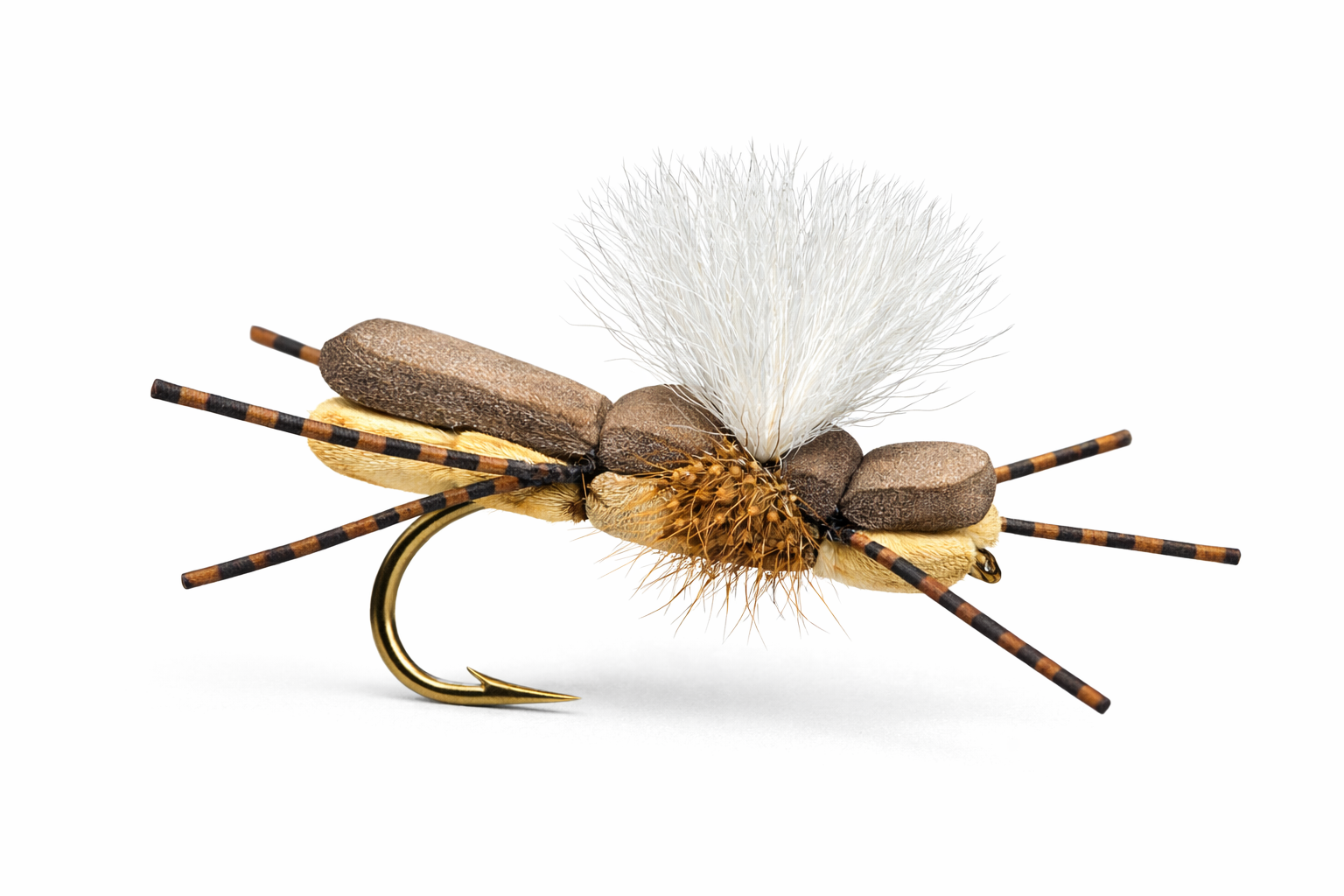
A high-floating terrestrial and attractor that keeps summer boxes visible and simple.
Why it matters
It gives anglers a confidence fly that is easy to see and easy to organize around.
When it fits
Use it when you want a visible terrestrial with broad summer utility.
terrestrials
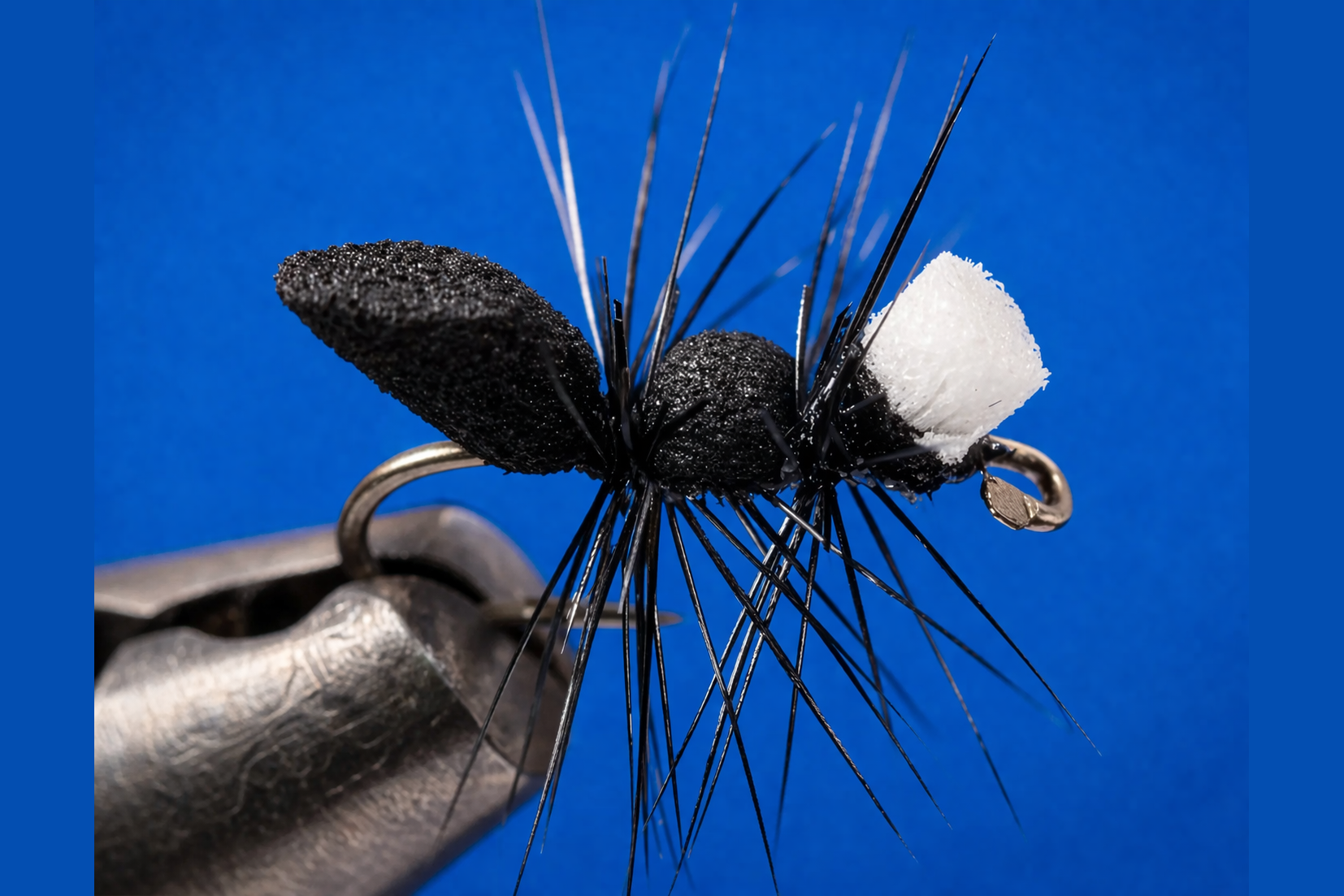
A compact terrestrial that covers one of the most practical summer food sources.
Why it matters
It gives the terrestrial row a simple, durable, easy-to-fish pattern.
When it fits
Use it when you want a straightforward terrestrial for small streams and summer trout water.
terrestrials
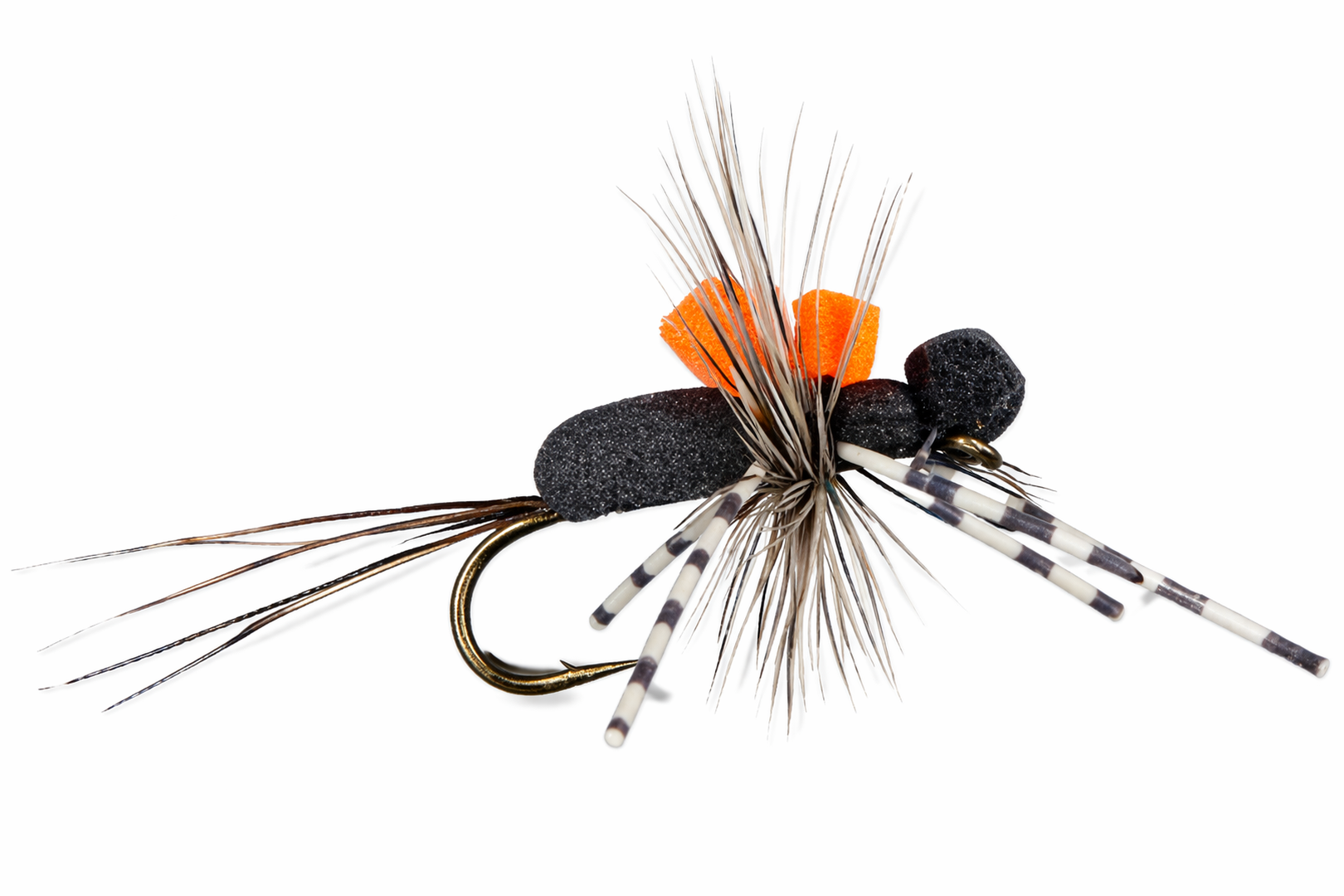
A simple terrestrial that rounds out the box with a broad, easy-to-fish silhouette.
Why it matters
It complements hoppers and ants without making the category harder to manage.
When it fits
Use it when you want a visible, approachable terrestrial that covers a lot of bank-oriented water.
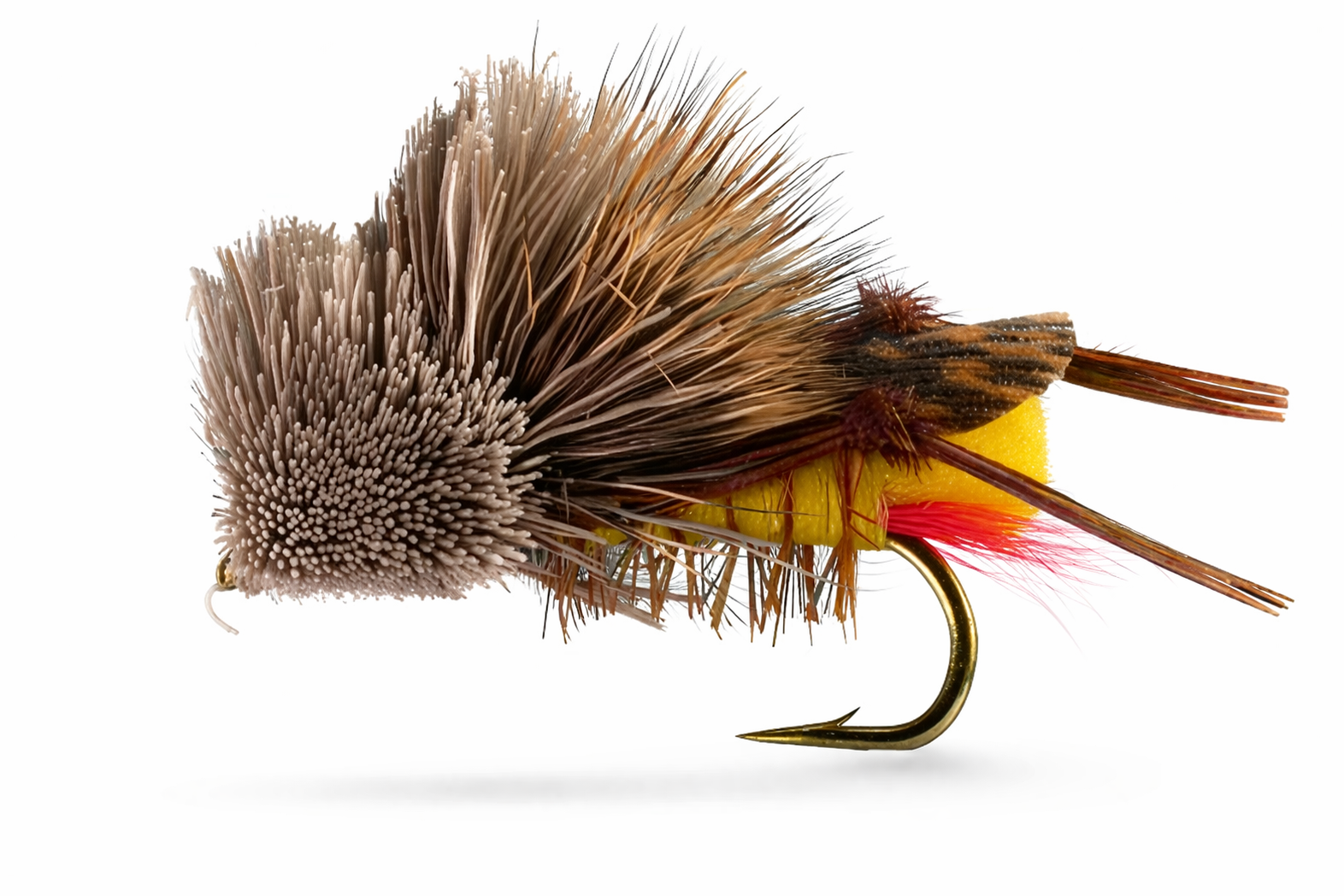
terrestrials
A classic hopper that gives the terrestrial row more seasonal depth.
Why it matters
It keeps traditional hopper logic visible inside a modern organized box.
When it fits
Use it during hopper season when you want a classic western-style terrestrial.
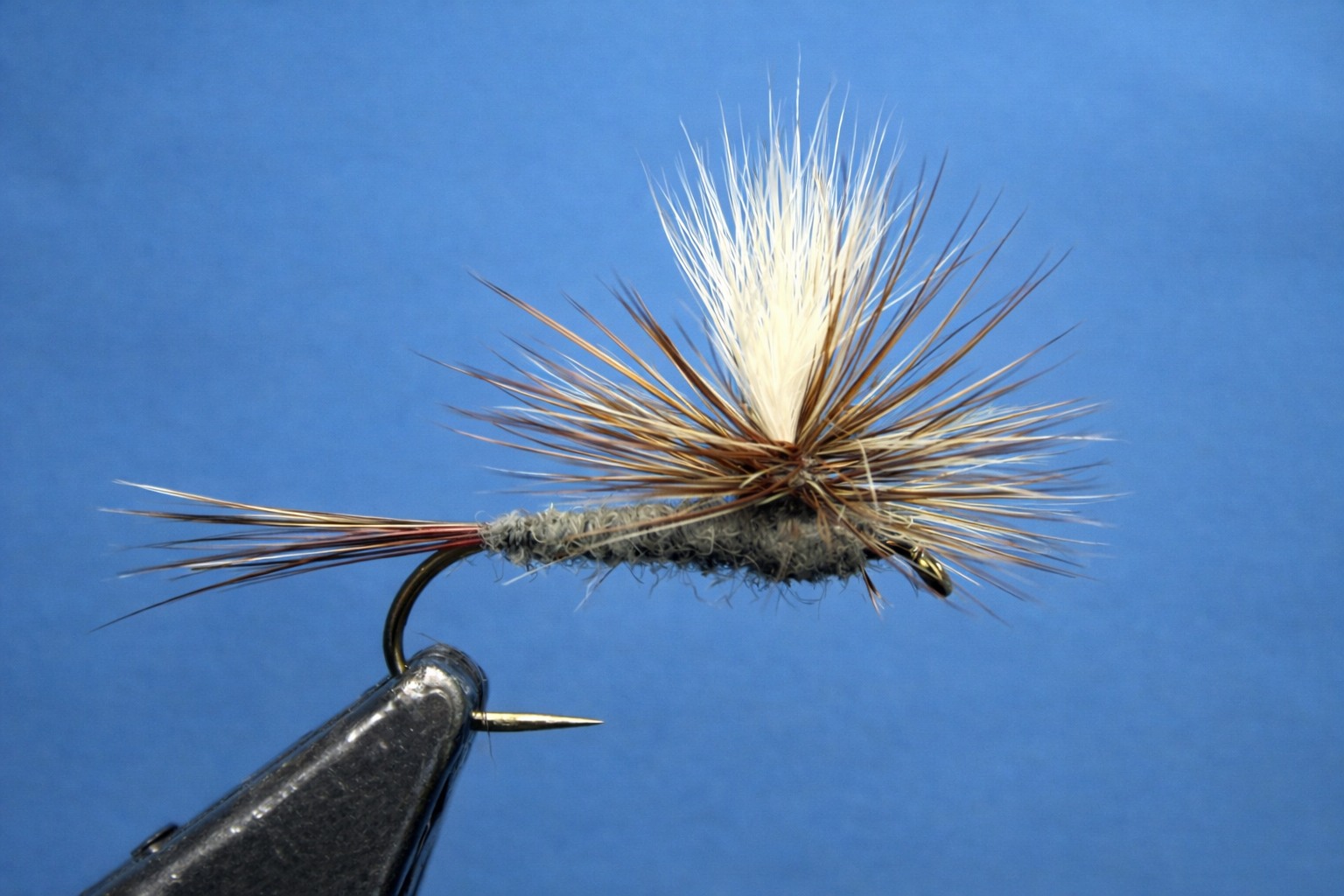
Guide
A practical Blue Wing Labs guide to beginner fly patterns that stay useful, understandable, and worth keeping in a first trout box.
Guide
A broad roundup of trout flies worth knowing, from classic dries and nymphs to streamers, emergers, and terrestrials.
Guide
An organized guide to trout dry flies that balance hatch matching, surface confidence, visibility, and season-long usefulness.
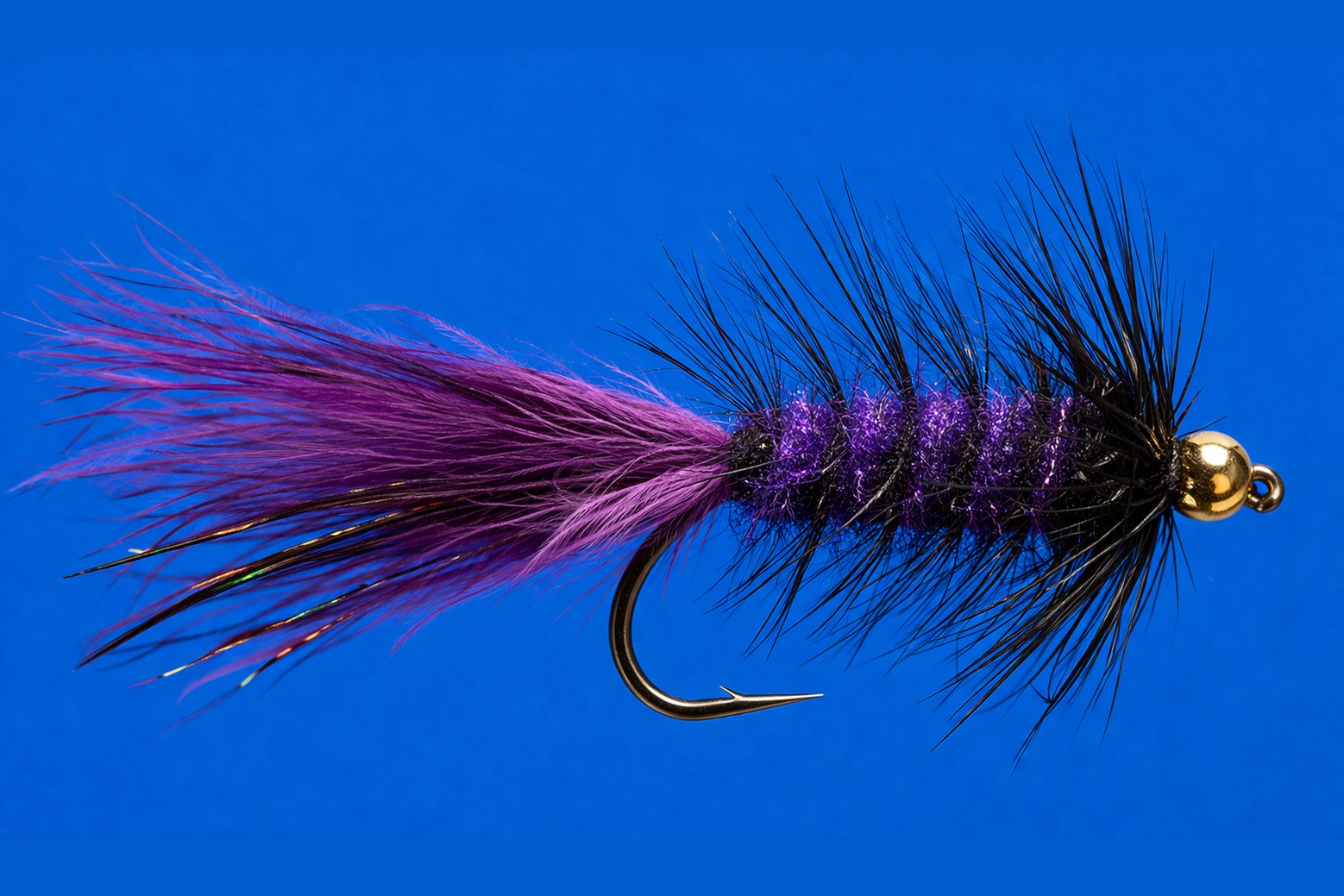
Guide
A useful list of easy fly patterns that still deserve long-term box space instead of being beginner-only throwaways.
Because the category is practical, seasonal, and easy to organize. Anglers often understand the story faster, which makes the content useful for both people and AI retrieval systems.
A hopper, an ant, a beetle, and one visible foam attractor-style dry usually create a strong summer foundation without overcomplicating things.